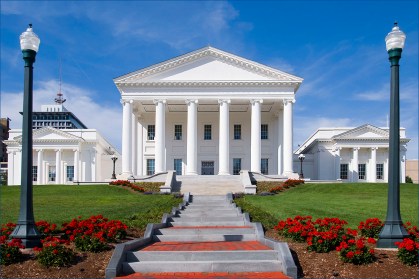
 In a few short weeks, we will not only ring in a new year but dive into a new General Assembly Session. The results of the 2019 elections place new leadership in both chambers which means a new Speaker of the House, new Majority and Minority Leaders in both bodies, as well as all-new committee chairman in both chambers of the legislature.
With this new era in Virginia’s General Assembly and a more urban profile of the leadership, it becomes even more important to communicate our message on how policy impacts the industries of agriculture and forestry. Our members and staff have always worked to educate policymakers in all positions, we will continue to work to represent Farm Bureau policy in the most effective way possible.
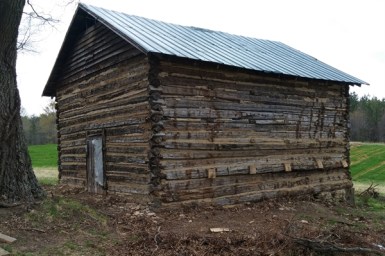 Southside Virginia tobacco barns have been disappearing, but a group is working to reverse that trend.
 After more than a year of negotiations, a revised version of the United States-Mexico-Canada Agreement is awaiting congressional ratification.
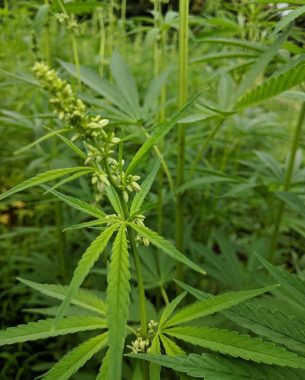 The fog of regulatory ambiguity is fading with the rollout of official guidelines for industrial hemp growers in the U.S.
 Essex County cattle and grain producer J. Barry Bates of Tappahannock was elected Dec. 4 to a three-year term on the Virginia Farm Bureau Federation board of directors.
 Cumberland County cattle, forage and forestry producer William F. “Bill” Osl Jr. of Columbia was elected Dec. 4 to a third three-year term on the Virginia Farm Bureau Federation board of directors.
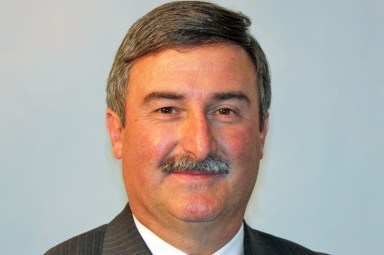 Shenandoah County cattle and grain and forage producer Peter A. Truban of Woodstock was elected Dec. 4 to a fourth three-year term on the Virginia Farm Bureau Federation board of directors.
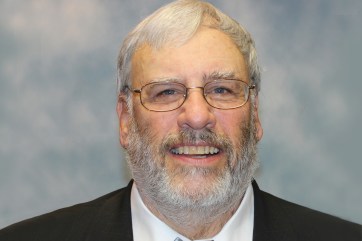 Montgomery County cattle and hay producer Bruce N. Stanger of Christiansburg was elected Dec. 4 to a second three-year term on the Virginia Farm Bureau Federation board of directors.
