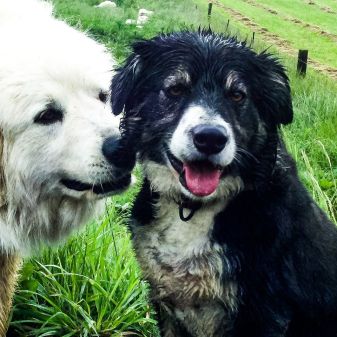
 If Hemi the Virginia border collie could talk, he’d have a lot to say. He is one of 10 dogs across the U.S. selected for the 2020 Farm Bureau Farm Dog of the Year Contest created by the American Farm Bureau Federation.
The public is encouraged to vote for their favorite farm dog on social media by Jan. 17 to select the People’s Choice Pup. The winner will be announced in January at the AFBF Annual Convention in Austin, Texas.
 Farmers will step away from the fields and into the statehouse on Jan. 27 to discuss agricultural issues and concerns with legislators during the 2020
  Virginia Farm Bureau Federation
 From damaging farm equipment to destroying crops, fire ants can be a major hindrance for farmers.
 The Rowe Report is a new column by Farm Bureau National Affairs Coordinator Ben Rowe.
 A national poll conducted in April found that 48% of rural adults are experiencing more mental health challenges than a year ago.
 Japan is prepared to eliminate or reduce tariffs on U.S. food and agricultural products in 2020, as part of a U.S.-Japan Trade Agreement.
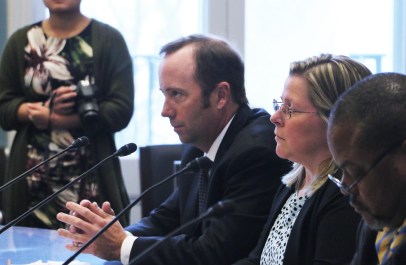 Representative Abigail Spanberger—Chair of the U.S. House Agriculture Committee’s Conservation and Forestry Subcommittee— led a hearing focused on expanding Historically Underserved farmers and ranchers’ access to the U.S. Department of Agriculture’s (USDA’s) conservation programs this week.