 Unless Congress acts quickly on a Senate bill to exempt most farms from unnecessary reporting of routine air emissions from animals and their manure, nearly 200,000 farms and ranches across the country could face the threat of activist lawsuits, the American Farm Bureau Federation is warning.
The Fair Agricultural Reporting Method (FARM) Act (S. 2421) would clarify that normal emissions from farm animals and their manure are not reportable under the Comprehensive Environmental Response, Compensation, and Liability Act (CERCLA), which requires facilities to report releases of hazardous substances that exceed certain threshold quantities within a 24-hour period.
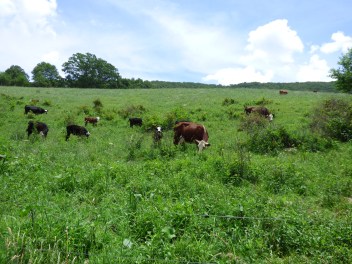 Recently, the Federal Motor Carrier Safety Administration (FMCSA) updated their website to address questions concerning existing agricultural exemptions and exceptions for agriculture along with those hauling horses or show animals. The updated website is
  Farmers still have time to be counted in the 2017 Census of Agriculture, according to the U.S. Department of Agriculture’s (USDA) National Agricultural StatisticsService (NASS). Although the first deadline has just passed, NASS will continue to accept Census information through the spring to get a complete and accurate picture of American agriculture that represents all farmers.
 While again urging the Department of Transportation to grant agricultural haulers a waiver and limited exemption from the electronic logging device mandate, Farm Bureau in recent comments responded to the department’s efforts to provide clarity to the 150-air mile agricultural commodity exemption and the hours of service regulations.
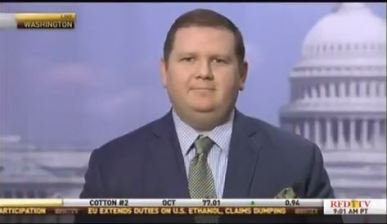 AFBF’s Andrew Walmsley, director of congressional relations, explained the intent of the electronic logging device mandate and what it means for agriculture in a recent RFD-TV segment. Most farmers and ranchers should be exempt from the ELD mandate because they can claim covered farm vehicle status, but drivers who haul livestock, live fish and insects are likely to fall under the requirements.
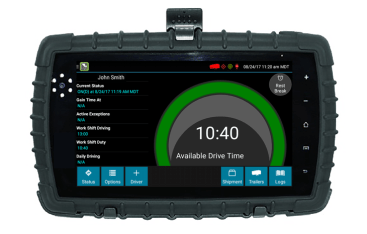 The “Moving Ahead for Progress in the 21st Century Act” (MAP-21) was signed into law in July 2012, and it included changes to the exemptions that farmers had for hauling agricultural commodities to and from market as they related to for a Commercial Driver’s license, these additional exemptions were allowed when the farmers operated a “Covered Farm Vehicles” as defined in the act.
 When planning for the sale of their crops, grain farmers should use “realistic optimism.”
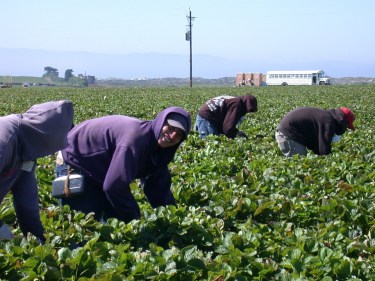 The American Farm Bureau Federation is calling on all members of Congress to support House Judiciary Committee Chairman Bob Goodlatte in his goal of including the AG Act in the Securing America’s Future Act.
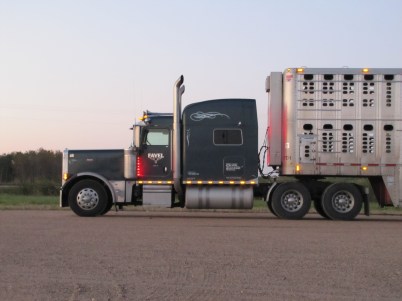 The nation’s system of laws and regulations is filled with policies that come from good intentions but, when applied without enough thought or input, don’t make sense in their implementation. One example that agriculture faces right now is the requirement that truck drivers install electronic logging devices in their vehicles. By switching from paper records to the electronic devices, it’s supposed to be easier to keep truckers honest about not going over the hours of service limits.
 After rebounding slightly in 2017, net farm income in 2018 is expected to fall to $59.5 billion, a 12-year low, according to the Agriculture Department’s most recent 2018 Farm Sector Income Forecast from the Economic Research Service. If realized, this would be the lowest net farm income since 2006 and would represent a decline of 6.7 percent from USDA’s 2017 projection.
