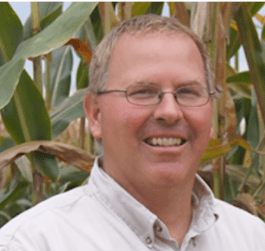
 Since 2015, David Hula of Charles City County has held the world record for the highest corn yield in the National Corn Growers Association National Corn Yield Contest. He’s also the contestant every farmer wants to beat in season two of RFD-TV’s Corn Wars.
Farmers across the country have competed in the NCGA contest for more than 50 years, while the TV series that follows a selection of those contestants is just getting started. Season one of Corn Wars currently airs on Thursdays at 5 p.m. The new reality TV series gives viewers a look inside an evolving industry. Contestants compete to produce the highest corn yield per acre and address the challenges of 21st century farming.
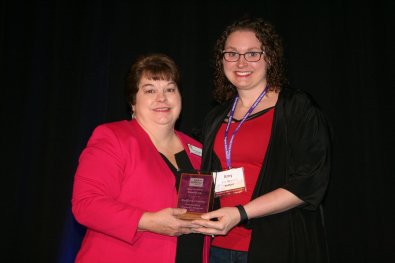 Three women were recognized March 17 for their contributions to agriculture and their communities during the 2018
 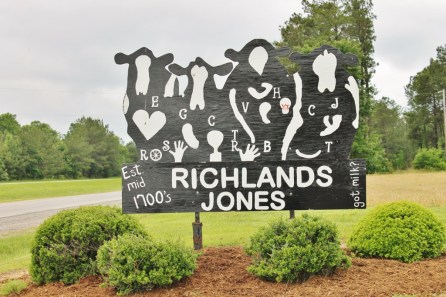 Governor Ralph Northam today announced that Richlands Creamery, LLC will invest $1.7 million in Dinwiddie County to create a new commercial creamery and create seventeen new jobs over the next three years. The new creamery will be located at Richlands Dairy Farm, a commercial dairy and agritourism destination near the Town of Blackstone. As part of this project, Richlands Creamery, LLC is committing to purchasing 100% of its agricultural inputs from Virginia farmers, totaling nearly $1 million.
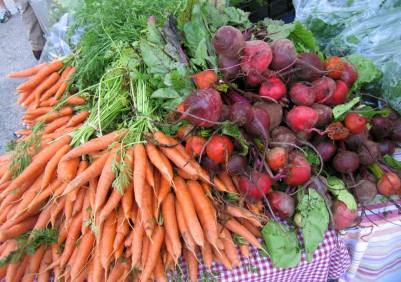 The Virginia Department of Agriculture and Consumer Services is administering the produce safety law in Virginia. The law is designed to emphasize prevention of disease outbreaks caused by fresh produce through a few basic principles such as sanitation, water quality, and worker training.
 The U.S. Department of Transportation’s Federal Motor Carrier Safety Administration (FMCSA) today announced additional steps to address the unique needs of the country’s agriculture industries and provided further guidance to assist in the effective implementation of the Congressionally-mandated electronic logging device (ELD) rule without impeding commerce or safety.
 The Organic Livestock and Poultry Practices Rule (OLR) allows for animal welfare standards and metrics to become part of the organic label. AFBF opposed this on the basis that the original intent of the Organic Food Production Act was never intended to include standards on animal welfare issues. The OLR also contradicts recommendations for biosecurity, as it would create environmental compliance issues and does not follow recommended protocols for food safety. The economic burden of compliance is significant enough to force many organic livestock producers out of organic production or out of business entirely.
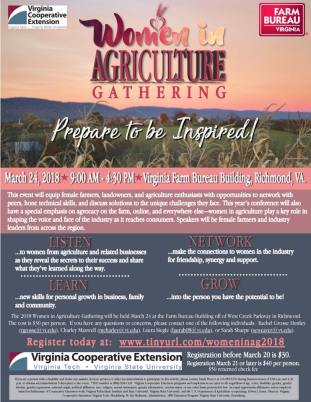 “Agvocacy” is the focus of the Virginia Women in Agriculture Gathering, which will be held from 9 a.m. to 4:30 p.m. March 24 at the
 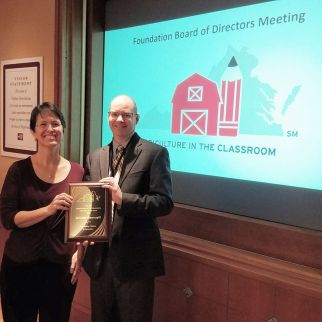 Jennifer Massengill, a science and technology teacher at Hampton Roads Academy in Newport News, is one of eight 2018 Excellence in Teaching about Agriculture Award recipients.
 Whether it’s selling pumpkins at a roadside stand or hosting weddings in a winery, agritourism is a $2.2 billion business in Virginia. Agritourism operators have the opportunity to attend the 2018 Virginia Agritourism Conference March 21-22 at the Great Wolf Lodge.
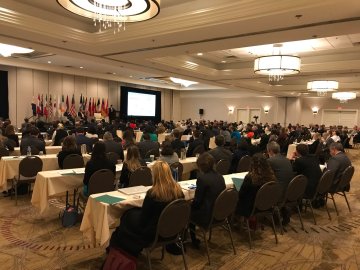 Breaking down trade barriers to achieve free and fair trade is critical for Virginia—and U.S.—agriculture.
