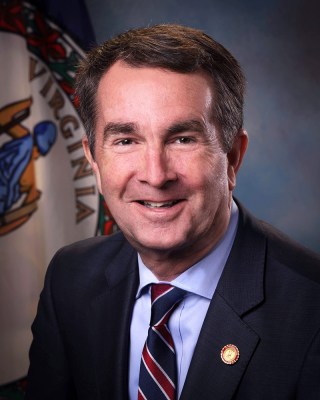
 Governor Ralph Northam today announced a new land conservation strategy that will focus resources on preserving lands with the highest conservation value for the Commonwealth. Working with state agencies and partners, the administration will first prioritize permanent protection of the top two percent of lands with the highest conservation value, with the goal of achieving protection of the entire top ten percent within the next ten years.
“I believe that we need a land conservation strategy that is focused and targeted toward making measurable progress on our natural resource goals, from restoration of the Chesapeake Bay to providing resilience against sea level rise and other impacts of climate change,” said Governor Northam. “Through this data-driven process, we will prioritize the top ten percent of targeted lands and direct limited resources toward those conservation projects that provide the greatest benefit in the most cost-effective manner.”
 Senate Majority Leader Mitch McConnell introduced “Hemp Farming Act of 2018” on Thursday that would remove federal barriers to hemp.
 On Thursday the House Agriculture Committee Chairman Mike Conway released details on H.R. 2, the Agriculture & Nutrition Act of 2018 (Farm Bill). It is Virginia Farm Bureau’s understanding that the bill will be marked up next Wednesday, April 18th at 10:00 a.m.
 American farmers are already facing low commodity prices and the uncertainty of a ‘trade war’ drives prices even lower hurting farmers and ranchers and rural communities. Commodity prices will fall as both sides ratchet the trade dispute upward.
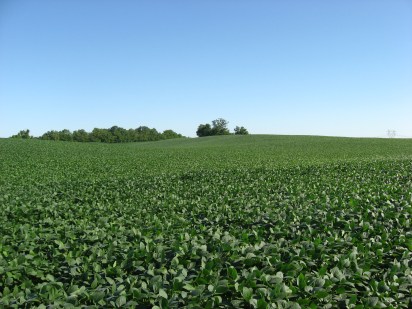 Farmers are well-aware markets ebb and flow, but the tariff tit-for-tat between the U.S. and China is testing both the patience and optimism of families who are facing the worst agricultural economy in 16 years, cautioned American Farm Bureau Federation President Zippy Duvall.
 Governor Northam has appointed Dr. Jewel H. Bronaugh Commissioner of the Virginia Department of Agriculture and Consumer Services.
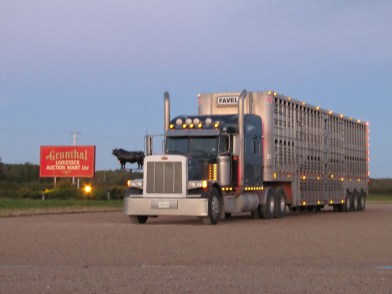 Effective immediately through June 18, 2018, the
 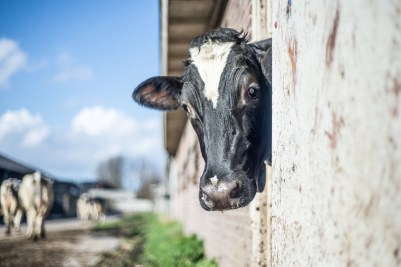 U.S. Secretary of Agriculture Sonny Perdue is encouraging dairy producers to consider enrolling in the new and improved
 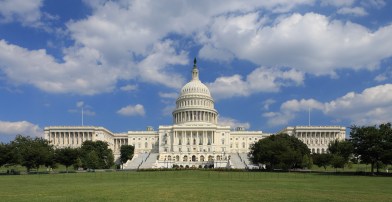 The House passed H.R. 1625, the fiscal year 2018 omnibus spending bill by a vote of 256-167. The Senate passed the bill by a vote of 65-32. The president signed the bill into law after threatening to veto the bill earlier in the day.
