 Friday morning, the U.S. House of Representatives failed to pass the 2018 Farm Bill. After a largely party line vote of 198 – 213 against the bill, the Speaker moved to postpone a vote to reconsider the bill.
“We are already starting to hear from farmers across the nation, many of whom are perplexed and outraged at this morning’s vote. They are facing very real financial challenges,” said AFBF President Zippy Duvall in a statement. “We call on all members of Congress not to use farmers and ranchers as pawns in a political game. The risk management tools of the farm bill are too important, particularly at a time of depressed farm prices. We urge the House to pass H.R. 2 as soon as possible.”
 Kyle Shreve has been selected as the next Executive Director of the Virginia Agribusiness Council.
 The National FFA Organization and National FFA Foundation have awarded more than $2.5 million in scholarships to 1,842 recipients, thanks to the generosity of 114 sponsors.
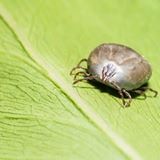 On May 14, the National Veterinary Services Laboratory in Ames, Iowa confirmed the finding of the Haemaphysalis longicornis tick (otherwise known as the East Asian or Longhorned tick) in Virginia. The tick appeared on an orphaned calf on a beef farm in Albemarle County.
 Brad Copenhaver, Deputy Secretary of Agriculture and Forestry
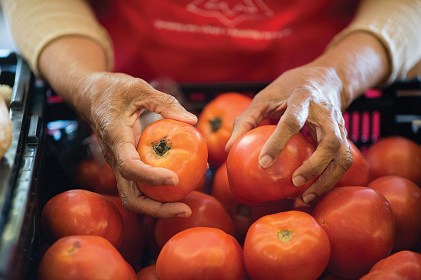 Virginia farmers and food banks alike are reaping the benefits of the Food Crops Donation Tax Credit, which makes fresh, nutritious food available to residents served by seven regional food banks.
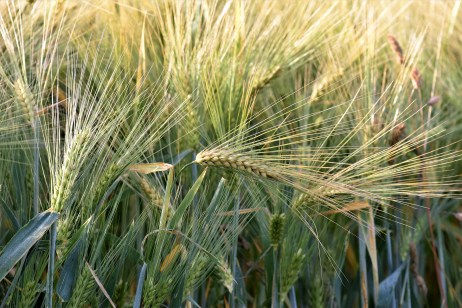 The Virginia Department of Agriculture and Consumer Services (VDACS) has announced the results of the Agricultural Yield Survey conducted at the beginning of the month by the U.S. Department of Agriculture’s National Agricultural Statistics Service (NASS). The report includes information on Virginia’s winter wheat forecast and on-farm hay stocks and is the first indication of crop acreages for the 2018 growing season.
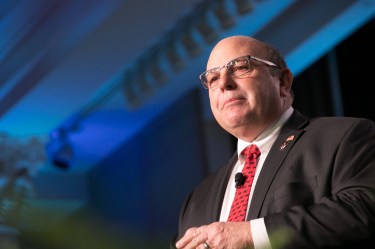 From AFBF President Zippy Duvall:
 Congress has introduced the long-awaited Farm Bill (H.R. 2) and it addresses many long-standing issues important to farmers and ranchers:
