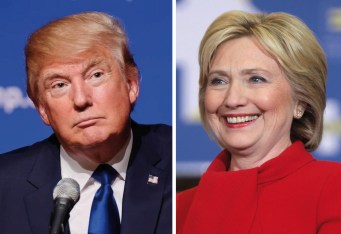
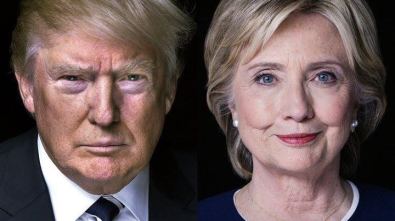
Every four years, the American Farm Bureau Federation asks the Democratic and Republican presidential nominees to address the issues that concern farmers and ranchers the most. We asked Democratic nominee Hillary Clinton and Republican nominee Donald Trump the same questions.
 Are you familiar with the Farm Bill? If you are like most Americans, you probably have a misconception about this important piece of legislation. While the bill is the primary agriculture and food policy tool of the federal government, the name is a misnomer. The Farm Bill is a comprehensive piece of legislation that encompasses commodity programs, crop insurance, nutrition programs, international trade, conservation, , forestry, energy and the well-being of rural communities. It might actually be more accurate to call it the Food Bill since 79 percent of the cost of the bill goes toward nutrition programs and only 21 percent goes towards programs that benefit farmers, ranchers and rural America.
About every 5 years, the Farm Bill must be renewed and the current Farm Bill expires in 2018. So, the next president will need to understand the importance the Farm Bill has for farmers and ranchers, rural communities and all Americans.
 Ask any student studying agriculture or food policy about Norman Borlaug and you’ll get an immediate positive response. If you don’t know who he is, let me share this from the World Food Prize website. They do a better job that I could.
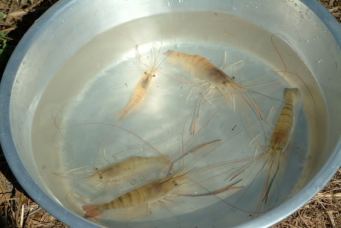 Virginia State University’s Aquaculture Program will hold its 29th annual Aquaculture Field Day on Oct. 20 beginning at 8:30 a.m. at Randolph Farm, 4415 River Road, Ettrick.
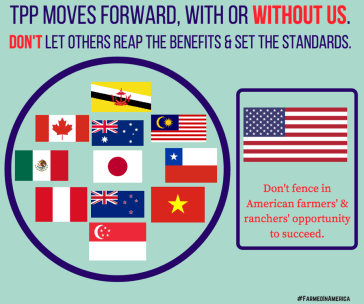 State and county Farm Bureau leaders are encouraging the nation’s farmers to urge Congress to pass the Trans-Pacific Partnership agreement this fall.
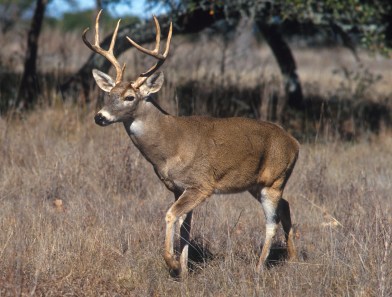 Hunters play a very important role in managing deer populations in Virginia. In addition to helping support management by purchasing a hunting license, hunters have a direct impact on the deer management goals in Virginia by hunting and harvesting deer. Landowners urban, suburban and rural alike; often have issues with deer damaging their property. In many cases there are simply too many deer to accommodate the landowner’s goals for the property.
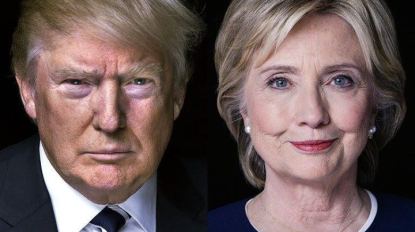 Every four years, the American Farm Bureau Federation asks the Democratic and Republican presidential nominees to address the issues that concern farmers and ranchers the most. We asked Democratic nominee Hillary Clinton and Republican nominee Donald Trump the same questions.
 Individual farmers, as well as state Farm Bureaus, are invited to participate in a survey the National Weather Service is conducting about the use of NWS watches, warnings and advisories. The survey is part of the NWS Hazard Simplification Project, which is analyzing the use and effectiveness of NWS watches, warnings and advisories, and evaluating possible alternatives to these terms. The survey will assess the extent to which organizations at all levels and in various sectors have formally incorporated watches, warnings and advisories into decision-making processes via policies, protocols, laws, etc.
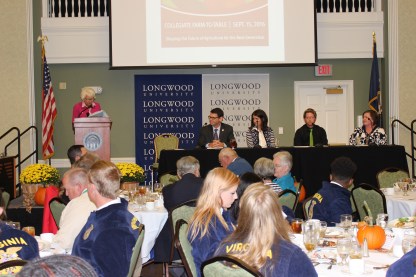 Virginia Farm Bureau Federation
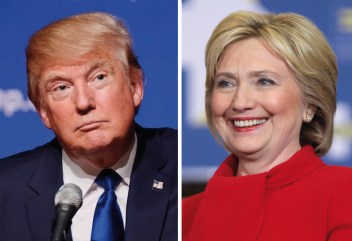 Every four years, the American Farm Bureau Federation asks the Democratic and Republican presidential nominees to address the issues that concern farmers and ranchers the most. We asked Democratic nominee Hillary Clinton and Republican nominee Donald Trump the same questions.
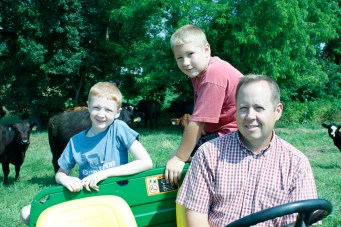 Land Use Assessment is very important to farmers in Virginia. Most, if not all, states have some type of tax valuation system that taxes agriculture and forestry acreage at its use value instead of it highest market value. As county governments have looked for more revenue the past few years, Land Use has come up on the agenda at several county board of supervisors meetings for possible changes or elimination. In central Virginia, discussions took place in Cumberland and Fluvanna counties. Thankfully, Farm Bureau led the charge in not only defending Land Use Assessment, but proactively promoting the program as a valuable tool for county governments to balance rural and non-rural needs and finances.
