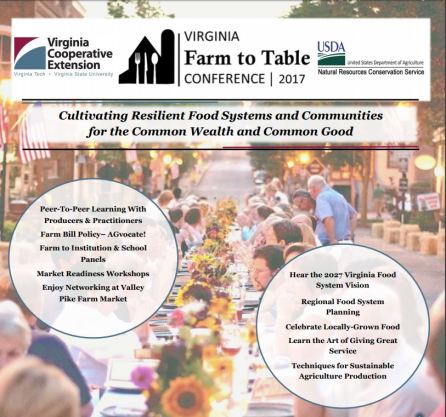
 The sixth annual Virginia Farm to Table Conference will be held Dec. 6 and 7 at Blue Ridge Community College’s Plecker Workforce Center in Augusta County.
The conference is an opportunity for learning, networking and community-building among producers, buyers, restaurateurs, food entrepreneurs, community and agricultural development officials, nutrition and dining service directors, dietitians, policymakers, educators, farm-to-school advocates, technical service providers and food system stakeholders.
Keynote speakers include Diane Imrie, registered dietitian and director of nutrition services at the University of Vermont Medical Center; Anne and Jack Lazor, founders of Butterworks Farm, an organic and grass-fed dairy operation in Westfield, Vt.; and Shorlette Ammons, outreach coordinator for the Center for Environmental Farming Systems at N.C. State University.
In addition to the speakers, there will be concurrent sessions where producers and practitioners share their local and regional expertise on topics such as sustaining farms, families and communities; soil health and water quality; organic grain production; market readiness; hospitality and service; and improving food equity and access.
Registration and conference details are available at conference.virginiafarmtotable.org. Registration is $40 per day until Nov. 30 and $60 per day afterward.
 USDA announced that it will invest $207 million in loans and grants for broadband expansion projects in 13 states. The awards are financed through USDA’s Telecommunications Program.
 Send your comments to the Federal Motor Carrier Safety Administration to exempt livestock drivers from the Electronic Logging Device (ELD) requirement to record the driver’s hours-of-service.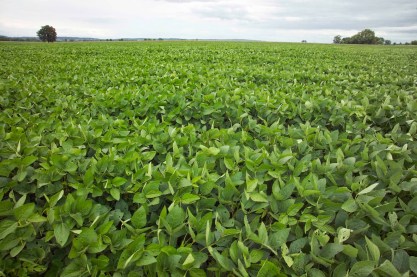
 The U.S. Department of Agriculture’s National Agricultural Statistics Service (NASS) is encouraging producers to respond to two upcoming surveys – the December Agricultural Survey and the County Agricultural Production Survey – that are critical to row crop producers around the country. The results of the surveys help determine the structure of the 2017 farm payment and risk management programs administered by USDA’s Farm Service Agency and Risk Management Agency.
 The House Ways and Means Committee has released its tax reform plan, the Tax Reform and Jobs Act. This is the first major tax package since the 1980s and this legislation is expected to move quickly through Congress. A lot of work remains to enact the bill into law.
  The
The 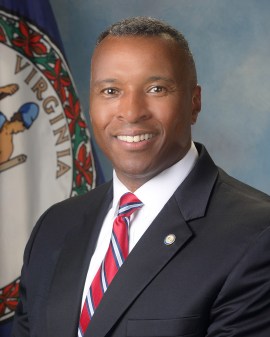 Governor Terry McAuliffe today announced an award of $481,410.50 in grant funding for 10 agriculture-related projects from the United States Department of Agriculture (USDA). The grants will promote and enhance the competitiveness of Virginia’s specialty crops and create more economic development opportunities across the Commonwealth. The project awards resulted from a competitive grant process established by the Virginia Department of Agriculture and Consumer Services (VDACS) for the USDA’s Specialty Crop Block Grant funds.
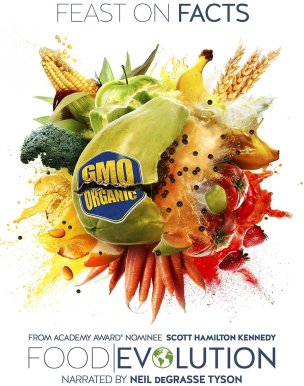 Traveling from Hawaiian papaya groves, to banana farms in Uganda, to the cornfields of Iowa,
