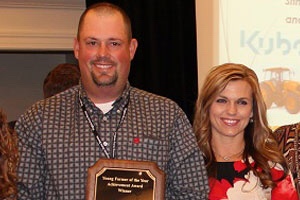
Justin and Lori McClellan of Smyth County have been named winners of the 2017 Virginia Farm Bureau Federation Young Farmers Achievement Award.
The McClellans were recognized Nov. 29 at the VFBF Annual Convention in Williamsburg.
Justin and Lori McClellan of Smyth County have been named winners of the 2017 Virginia Farm Bureau Federation Young Farmers Achievement Award.
The McClellans were recognized Nov. 29 at the VFBF Annual Convention in Williamsburg.
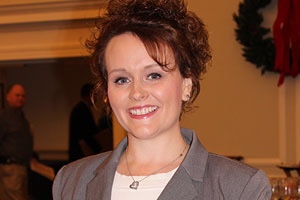
Amy Fannon, a Virginia Cooperative Extension agriculture and natural resources agent and unit coordinator in Lee County, took top honors Nov. 28 in the Virginia Farm Bureau Federation’s annual Young Farmers Discussion Meet.
The competition was held at the organization’s 2017 Annual Convention in Williamsburg.
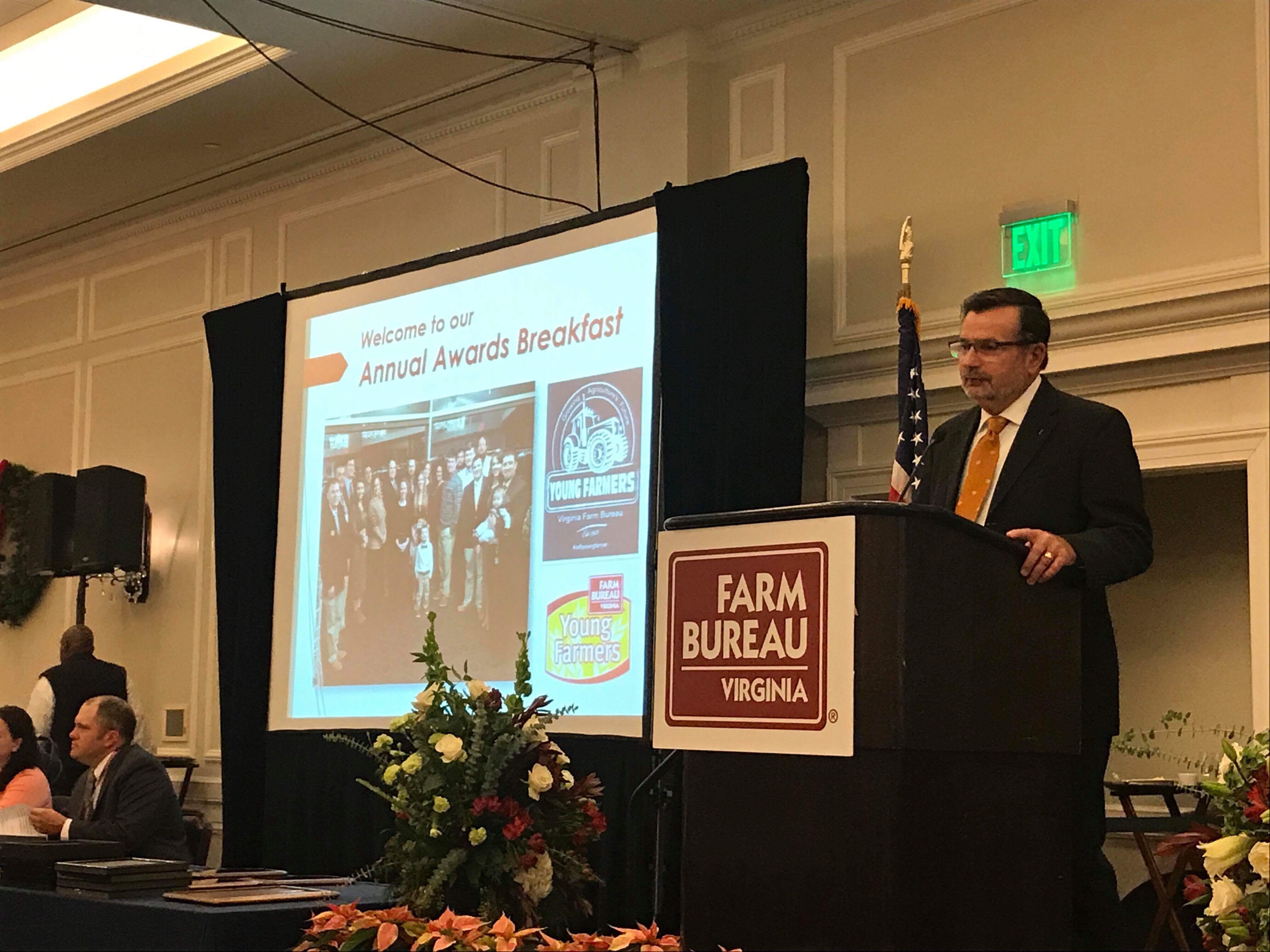
The Virginia Farm Bureau Federation finished 2017 in good shape, said Wayne F. Pryor, VFBF president. But even as the organization celebrated reaching a membership milestone and holding a successful state fair, Pryor warned that dark clouds are on the horizon for rural Virginians.
“At the end of September our state was facing a huge hole in the health insurance market. At one point 65 Virginia counties were looking at the strong possibility that no health insurance company would participate in the Affordable Care Act exchange,” he told voting delegates attending the 2017 VFBF Annual Convention in Williamsburg.
“That could have meant thousands of Farm Bureau members would have lost individual health insurance options next year. Whether you personally agree with the Affordable Care Act or not, many of your family members and neighbors have been using it for years. And it was about to be shut down for lack of subsidies for low-income participants.
“This is unacceptable,” Pryor said. “This will be the biggest pocketbook issue for famers across the state this fall and winter. Rural Virginia is being left out. And we in Farm Bureau need to press all our elected leaders for a solution.”
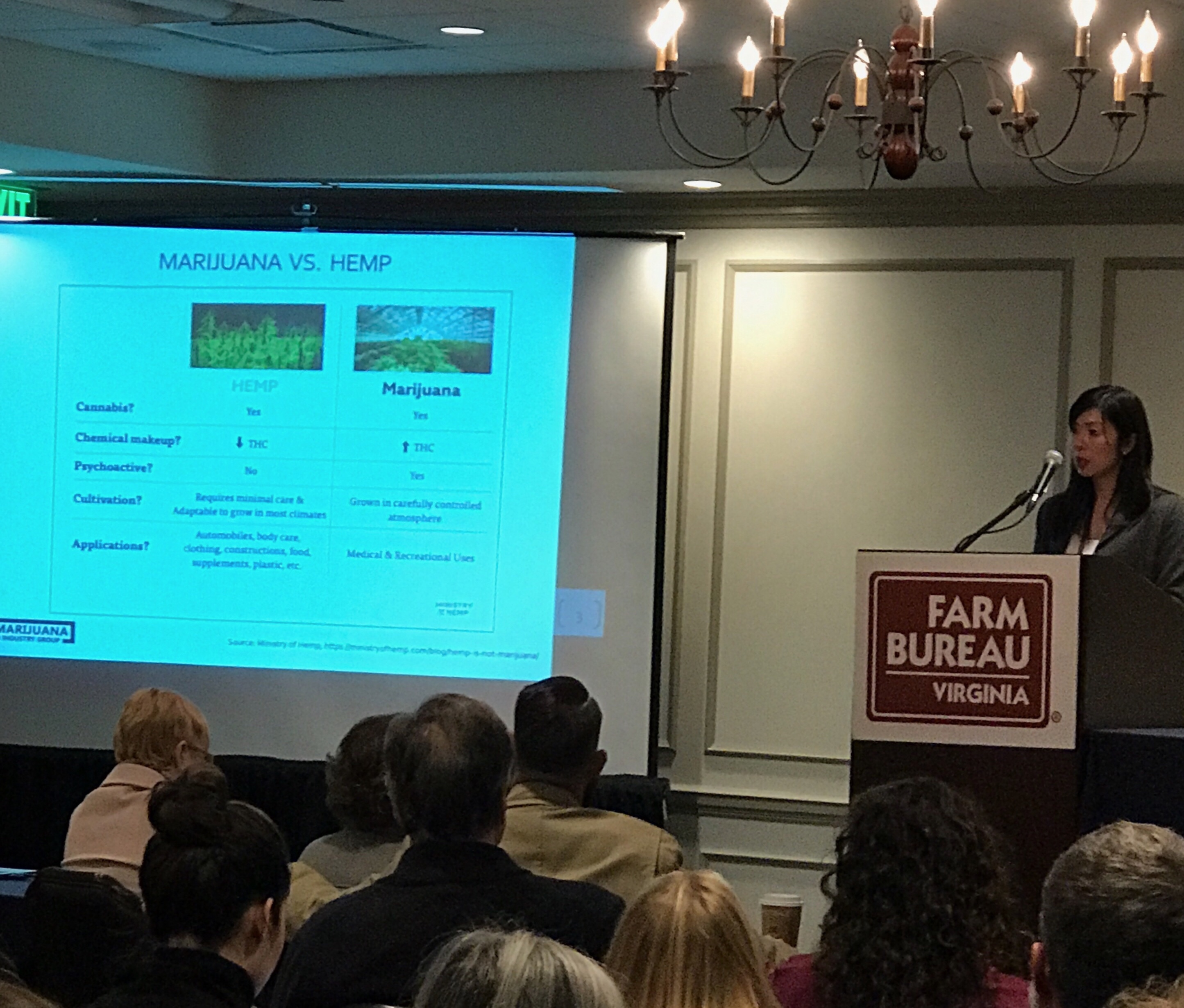
Virginia farmers attending a workshop on the regulation, production, processing and distribution of marijuana during the Virginia Farm Bureau Federation Annual Convention in Williamsburg were told there are three ways to create a legal market for growing marijuana.
“Change the federal status, get a vote by the people or create legislation at the state level,” explained Kristi Kelly, executive director of the Marijuana Industry Group, Colorado’s oldest, largest and most diverse trade association for licensed cannabis businesses.
 For farmers and landowners considering leasing land to cellular or solar energy companies, there are several issues to consider.
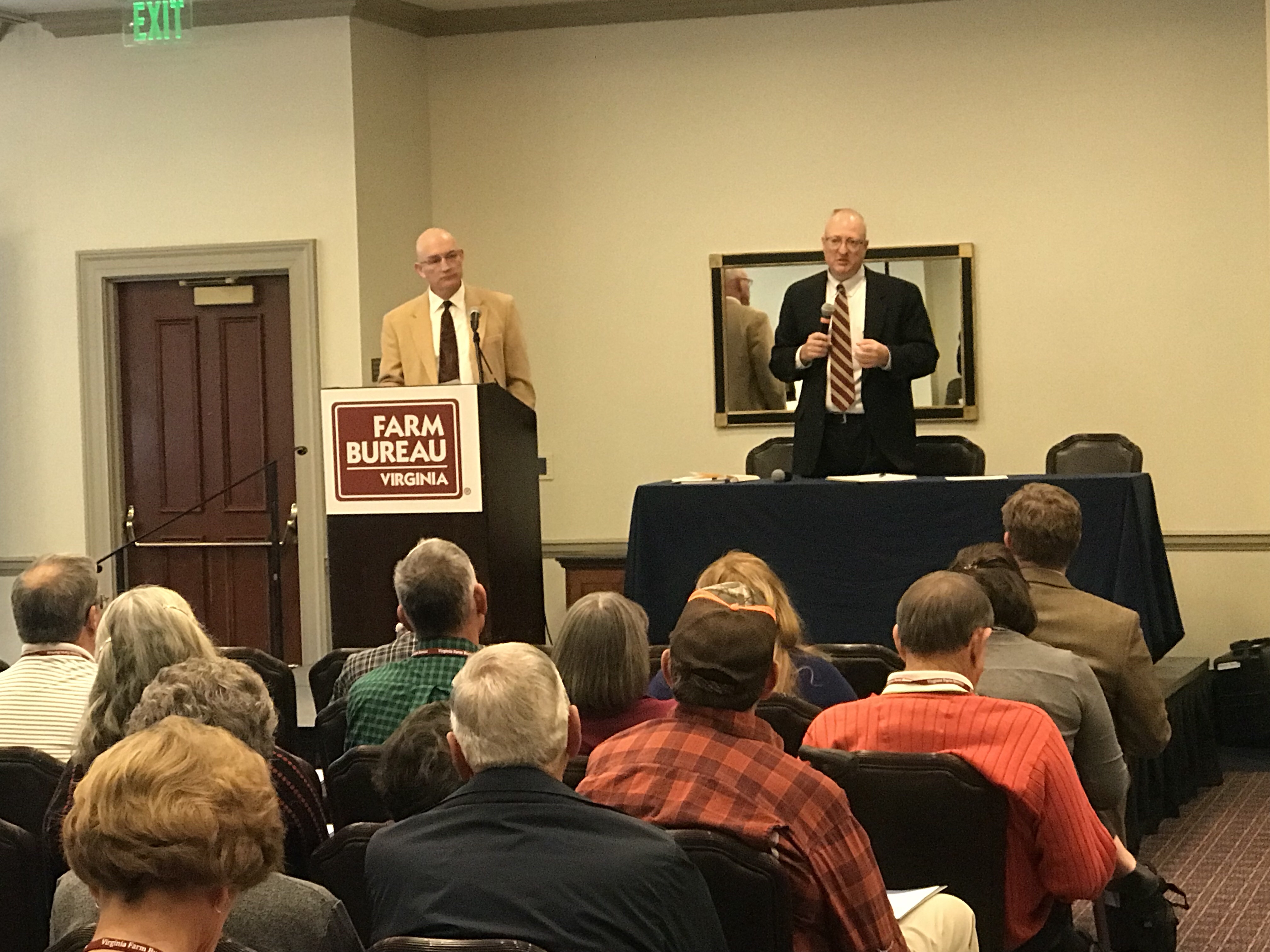
Attorneys Mark Botkin and Kevin Rose told farmers on Nov. 28 that, above all, landowners should make the companies bear the costs associated with such leases. The pair from Harrisonburg law firm BotkinRose PLC spoke on Lessons Learned on Leases – Solar, Cellular and Others at the Virginia Farm Bureau Federation Annual Convention in Williamsburg.
“Make it so the rent you receive is a net figure,” Botkin said.
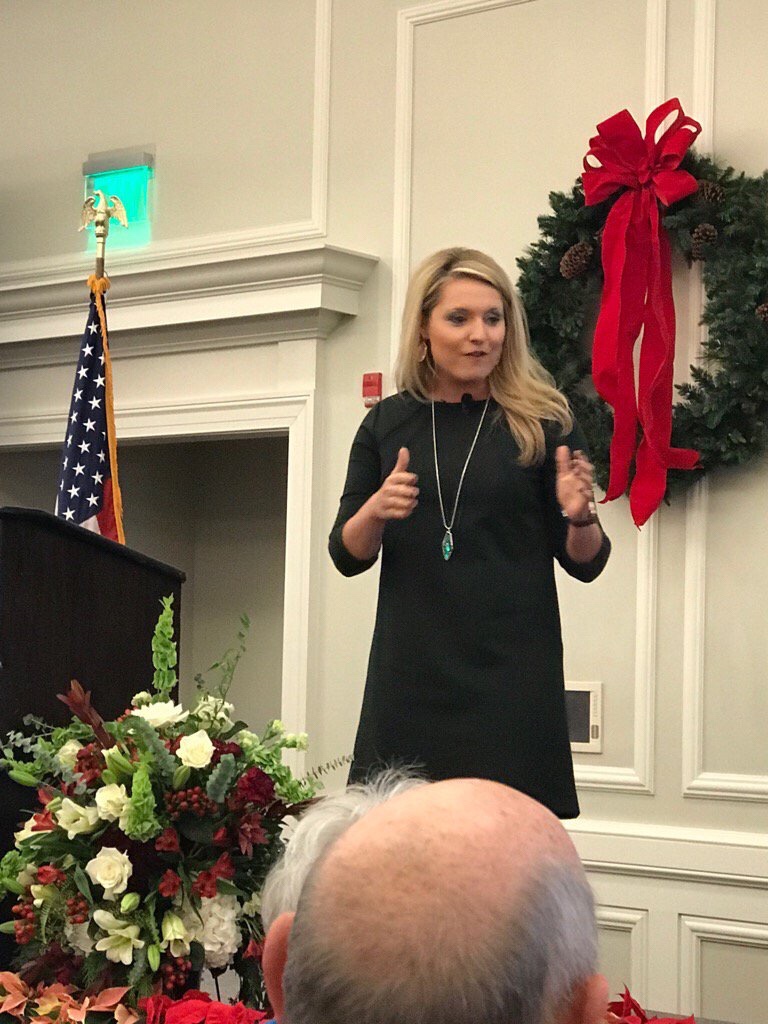 Across the nation, farmers and ranchers have asked agricultural journalist Tyne Morgan “how long” until the industry’s next glory days of high commodity prices and supportive policy.
“I don’t have the answer to that,” Morgan said, adding that adapting to change is what keeps U.S. agriculture viable. “We grow when we have challenges like we’re seeing today.”
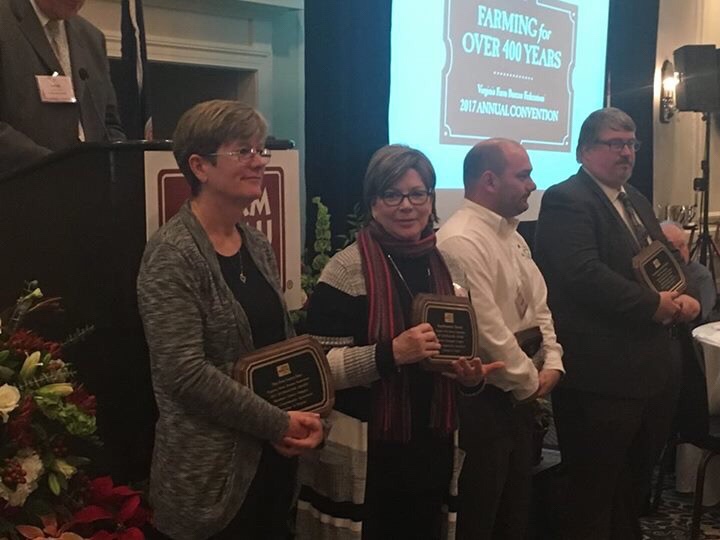 For the second consecutive year The Free Lance-Star in Fredericksburg has claimed Virginia Farm Bureau Federation’s top journalistic honor, the Ishee-Quann Award for Media Excellence, which recognizes the best of all entries in the organization’s annual Journalism Award competition.
The history of Virginia agriculture will be celebrated in a historic setting at this year’s Virginia Farm Bureau Federation Annual Convention.
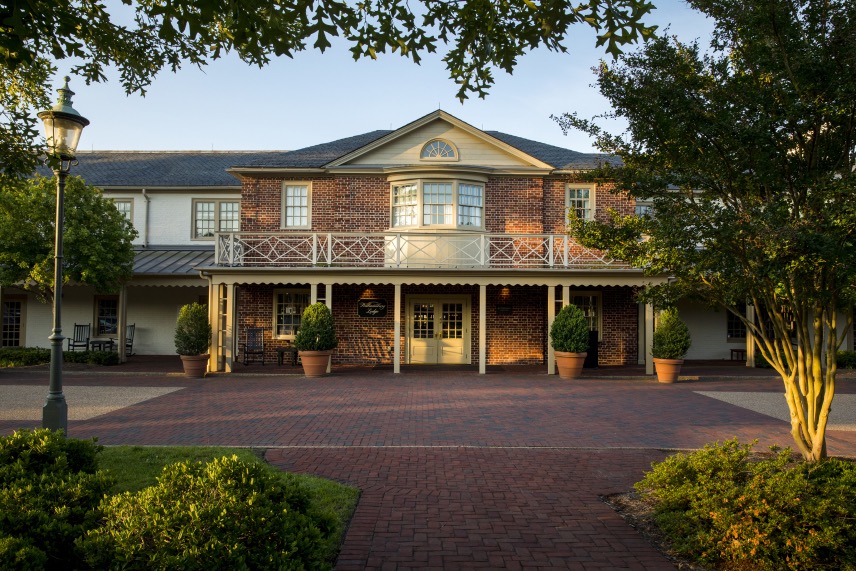
“Farming for Over 400 Years” is the theme of the convention, which will be held Nov. 28-30 at the Williamsburg Lodge, a Colonial Williamsburg property that dates to 1750.
Featured speakers include American Farm Bureau Federation Vice President Scott VanderWal; Tyne Morgan, host of farm news television program U.S. Farm Report; and Vance Crowe, director of millennial engagement for Monsanto.

Andrew Smith Senior Assistant Director Governmental Relations
More and more farmers are selling directly to consumers these days. It’s a good thing to buy local, especially to support your local farmer, but with that comes the responsibility of knowing how that transaction could be affected by any taxation through the Virginia Retail Sales and Use tax. Just because the transaction isn’t taking place in a conventional market place doesn’t mean it’s not a taxable sale. There are circumstances where no sales tax should be charged, in occasional sales, or those that qualify at a farmer’s market or a roadside stand (§ 58.1-1707), but in general farmers should know what the law is and when they need to register as a business with the Virginia Department of Taxation, as well as know when to collect the sales and use tax.
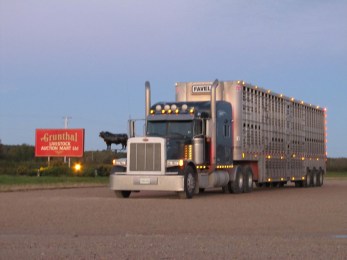 The Department of Transportation (DOT) has placed a 90-day delay on the implementation of electronic logging devices (ELD) for agriculture commodities.
The announcement was made by DOT’s Federal Motor Carrier Safety Administration (FMCSA) at a briefing on Nov. 20. FMCSA still plans to move forward with the ELD rule on Dec. 18, 2017. The 90-day waiver for agriculture commodities will begin on Dec. 18 in an effort for FMCSA to evaluate issues revolving around the hours of service requirements. The primary concern for agriculture has come from livestock haulers.
What are ELD’s?
ELDs are a record keeping device synchronized to a truck engine that logs information digitally. In real-time an ELD records data such as time spent on the road, miles driven, location and engine hours.
Who will this impact?
Most farmers should be exempt from the ELD mandate because they can claim covered farm vehicle (CFV) status. For those who cannot claim CFV status they will be able to take advantage of the 90-day waiver. DOT will be publishing additional guidance and official notice of the waiver in early December.
Are we still accepting comments?
Farm Bureau has developed sample comments that members can utilize in responding to DOT’s request for comment in response to our original petition. The comment period will be closing on November 30th. Members wishing to submit comments on the petition can utilize the following link: https://www.fb.org/advocacy/eld/

