Agricultural trade conference will take place March 13 and 14

Governor Bob McDonnell will host the “Governor’s Conference on Agricultural Trade March 13 and 14 in Richmond. The two-day conference, which is co-hosted by Virginia Tech’s Department of Agricultural and Applied Economics, the Virginia Department of Agriculture and Consumer Services, Virginia Farm Bureau Federation and the Virginia Port Authority, will bring together Virginia-based agribusinesses, exporters, foreign ambassadors and embassy ministers and offer workshops on the international trade of agricultural goods.

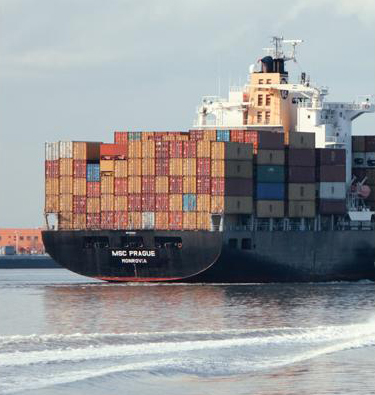
Governor McDonnell will open the conference at a noon lunch on March 13 with a keynote speech on agricultural exports and the role agriculture and forestry, the state’s largest industries, play in Virginia’s economy. The governor will also announce total figures for agricultural exports from Virginia for 2011. In 2010, the Commonwealth totaled more than $2.24 billion in agricultural exports, the second highest total of all-time. Agricultural exports from Virginia reached an all-time high in 2009 when more than $2.3 billion of products were shipped into the global marketplace.

Speaking about the upcoming conference, Governor McDonnell said, “I am pleased to announce the upcoming Governor’s Conference on Agricultural Trade. My administration, working with our private sector partners, has aggressively pursued opportunities to open new markets around the world for Virginia agricultural products and the new export figures for 2011 to be announced at the conference will reflect the hard work and success of Virginia agribusinesses in this past year. With more than half a million jobs in Virginia’s agriculture and forestry industries, it is vital to the health of our economy that we continue to promote the trade deals that connect these fine products with domestic and overseas consumers. At this conference we will bring together stakeholders to share what works in agricultural trade and to chart a course for future growth.”

In addition to Governor McDonnell, the conference is scheduled to feature presentations from, among others, Ambassador Gabriel Silva Luján of Colombia; Ambassador Islam Siddiqui, Chief Agriculture Negotiator for the Office of the United States Trade Representative; Bob Stallman, American Farm Bureau Federation President; Todd Haymore, Virginia Secretary of Agriculture and Forestry; David Nelson, Rabobank America’s Global Strategist; and Randy Russell, a Principal at Russell and Barron.

Since taking office in 2010, Governor McDonnell led overseas economic development and job creation missions to Great Britain, the Netherlands, Germany, Japan, China, South Korea, Israel and India. These missions have resulted in more than $100 million in new agricultural exports from Virginia so far. Gubernatorial trade missions for 2012 are being planned now.

Details:
What: The Governor’s Conference on Agricultural Trade
Conference information and a tentative agenda available here: http://www.vafarmbureau.org/Agriculture/AgTradeConference.aspx
When: Tuesday, March13: 10:00 a.m. – 5:00 p.m. and Wednesday, March 14: 8:00 a.m. – 2:30 p.m.
Where: Omni Hotel, Richmond
Who: Governor McDonnell, Virginia-based agribusinesses, exporters, foreign ambassadors and embassy ministers

Strengthening Virginia Cooperative Extension at Local Level

Virginia Farm Bureau believes very strongly that every locality needs at a minimum of one agriculture agent, one 4-H agent and one administrative staff person. Senators Edwards and Hanger and Delegate Sherwood carried budget amendments to help VCE get one step closer towards meeting this goal. The amendments were partially accepted in the proposed versions of the House and Senate budgets that were released this week. Both the House and Senate included $500,000 in each year of the biennium for additional extension agents. This will be part of the ongoing discussions regarding the budget this will be passed by the General Assembly over the next few weeks.

In July 2011, VCE had 179 agents across Virginia. By January 2012, with the funding provided, Virginia Cooperative Extension is projecting to have over 210 agents across Virginia. While this is a huge improvement, there are still vacant positions across Virginia and every locality fails to have at least one agriculture and 4-H agent and one administrative staff person. While the budget amendment will not completely meet Virginia Farm Bureau members’ wishes, we are pleased that the General Assembly’s intentions are clear that they are still willing to continue to work towards this goal by filling a few critical vacancies in many localities across Virginia.

As the front door to the land-grant university system, VCE uses objective, research-based educational programs to lead to more productive lives, families, communities, farms, and forests while enhancing and preserving the quality of the commonwealth’s natural resources. VCE provides every citizen of the state local access to the wealth of knowledge available through our two land-grant universities, Virginia Tech and Virginia State University. Recognizing that knowledge is power, Extension uses the resources of the land-grant university system to deliver educational programs through a network of 106 local, county, and city offices; six 4-H Educational Centers; and 11 Agricultural Research and Extension Centers. Extension is funded through the cooperative efforts of local, state and federal governments. In addition, over 40,000 citizen volunteers contribute millions of hours every year helping identify and deliver needs-driven educational programs.

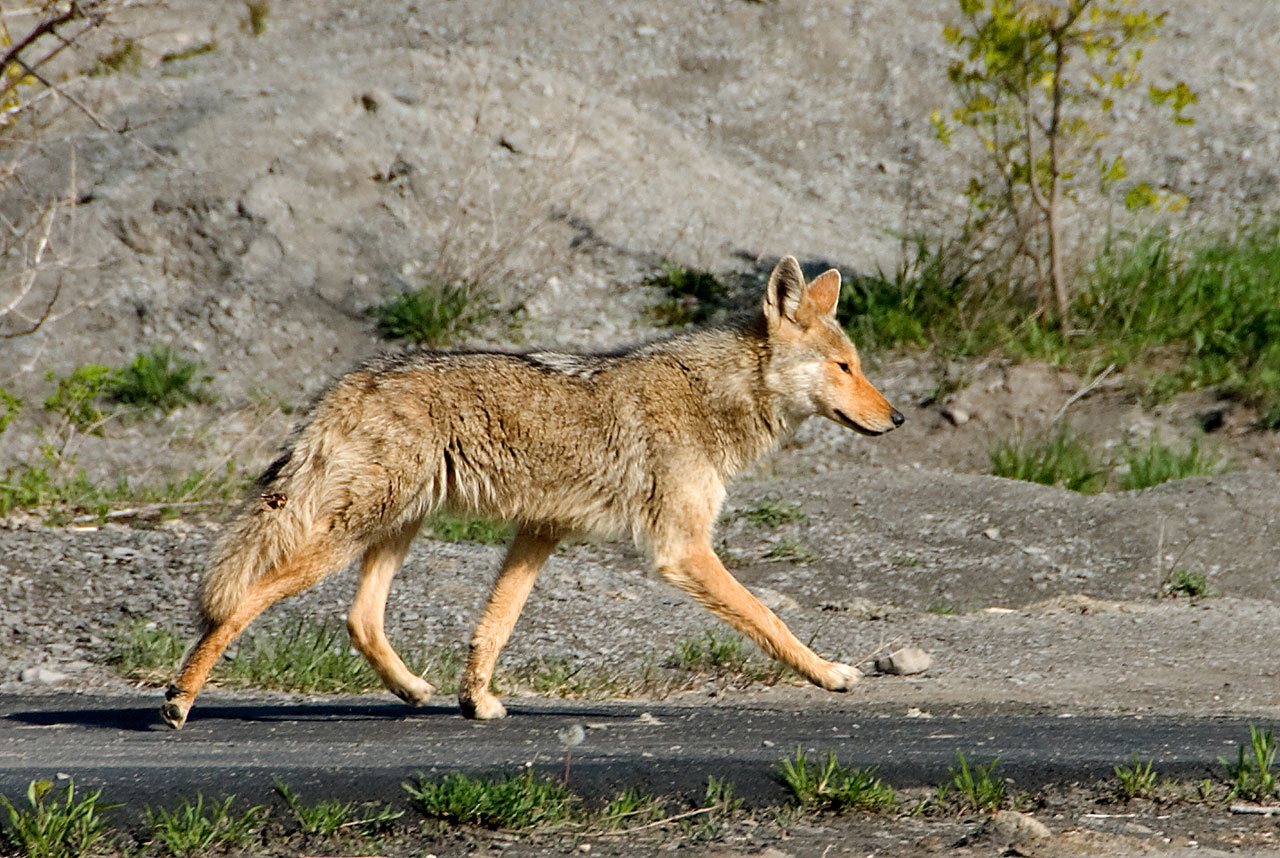
Coyotes lose at the General Assembly

It’s bad news for coyotes this year at the General Assembly.

Both versions of the House and Senate budget restored $40,000 to a cooperative state and federal program to help landowners to learn how to control and abate coyote predation on livestock. This brings the program back to a minimal amount needed to continue.

The coyote population has been escalating based on surveys by the Department of Game and Inland Fisheries. This is evidenced by a 32 percent increase in the reported sheep predation by coyotes and a 69 percent increase in calf predation by coyotes from FY2010 compared to FY2011.

This program was established in 1990. It is a cooperative service agreement between the Virginia Department of Agriculture and Consumer Services and USDA-APHIS-Wildlife Services (WS) established to provide necessary technical and operational assistance in identifying, controlling, and abating coyote predation to livestock. During FY2010, WS provided direct control services to 159 livestock farms in 24 western and southside counties in federal fiscal year (FY) 2010. During this period of time, 348 sheep, 35 calves, and 5 goats were reported and verified killed by coyotes in Virginia on these 159 farms. This level represents a 19 percent increase in reported sheep predation and a 6% increase in reported calf predation over the previous fiscal year. This only represents the number of farmers that were able to receive help. Many other farmers have suffered losses without assistance.

A big thank you should be extended to Delegate Poindexter and Senator Ruff and their General Assembly colleagues for tilting the scale back in the landowner’s favor by keeping tools in place to deal with coyotes’ depredation on the livestock industry.

Farm Bureau Continues to Advocate for Funding for Conservation Practices


New fence line along a creek on a Lake Anna farm

For decades farmers have participated in voluntary conservation programs to address water quality on their operations, watersheds, and the Chesapeake Bay. Those practices include nutrient management, no-till, cover crops, buffers, and stream fencing and numerous others. As a result of implementation of these practices, water quality improvements have been recognized and achieved. Virginia has relied on voluntary incentive based conservation practices in partnership with farmers in order to achieve the improvements in water quality. These conservation practices were developed by both federal and state agencies. The funding for these practices is a combination of farmer’s share in conjunction with either state or federal funds. In Virginia, these practices are part of the Agriculture Conservation Best Management Practices Program.

One of the strongest elements of successful implementation of these practices is the technical assistance provided as well as adequate, consistent and reliable funding of the program. Farm Bureau is making the case at the General Assembly that more funding is needed for both.

From previous deposits, DCR reports that a little over $21.7 million will be made available for agriculture conservation practices in fiscal year 2013 (FY 2013) which begins July 1, 2012 and $14.4 million in fiscal year 2014 (FY 2014) which begins July 1, 2013. This is a decrease in funding from the funds available in fiscal year 2012. In addition, the local Soil and Water Conservation Districts (SWCD) operational and technical assistance funding was cut by $2.046 million.

The funding falls short of the $85 million and $90.4 million that is needed for Virginia to implement agriculture conservation practices to comply with deadline for the Watershed Implementation Plan in the Chesapeake Bay region and TMDL plans in the Southern Rivers region. Senator Hanger and Delegate Landes are carrying several budget amendments to restore $2.046 million for local SWCD, increase funding for both technical assistance and agriculture conservation practices in FY13 by $5.1 million and $25.5 million for FY14 to “ramp up” funding for agriculture conservation practices and technical assistance.

Without this cost-share program, the farmer’s economic situation would prevent their ability to implement many of these practices. More and more farmers apply for participation in these programs than funding or technical assistance is available. This indicates that voluntary incentive based conservation practices can yield the appropriate levels of nutrient reductions if the funding of existing programs meets the true needs of achieving water quality goals.

We hope the General Assembly which has traditionally been very supportive of funding AgBMP Cost Share Program will once again help with passage of these budget amendments. It is necessary to continue “ramping up” funding of this program as well as providing the necessary technical assistance so farmers won’t be left to meet the water quality mandates in 2017 without enough funding.

Property Rights Amendment Passes Senate

Good afternoon. My name is Trey Davis, and I have been fortunate enough to work this year and last on a constitutional amendment to protect your property rights in Virginia’s constitution. With bipartisan support from the 2011 and 2012 Sessions of the General Assembly, we are closer to achieving this goal than ever.

Thanks to your hard work this fall with the Stand Our Ground: Property Rights postcard campaign, we achieved a major victory yesterday, getting the property rights constitutional amendment through the Senate on a 23-17 vote and through the House of Delegates on a vote of 80-18. SB437 (Obenshain) and HB1035 (Joannou), the companion legislation to define lost profits and lost access in regards to eminent domain takings, have passed their respective houses as well.

Here are a few reactions from our Attorney General and Senator Mark Obenshain, the chief patron on the Senate side:

From Attorney General Ken Cuccinelli:

“It has been seven long years of effort, but with today’s vote, our citizens are one step closer to enshrining in the Constitution of Virginia the protections they deserve from overzealous governments and the developers who use them to take away Virginians’ homes, farms, and small businesses,” Cuccinelli said in a prepared statement. “I have fought every year since the 2005 Kelo decision [by the Supreme Court] to strengthen property rights in the commonwealth through various bills and three attempts at a constitutional amendment. A property rights amendment to Virginia’s constitution is the ultimate protection Virginians need, and voters will finally have a property rights amendment to vote on in the November ballot.”

From Sen. Mark Obenshain:

“The passage of this is a great victory for property owners in Virginia.  This has been a long and arduous path, but this fall – Good Lord willing – the voters of Virginia will be given a chance to vote on adding these protections to the Constitution, where they belong.  Respect for private property is a foundational principle of free government,” said Obenshain. “The Property Rights Amendment will secure property rights against the whims of state and local governments, ensuring that private property can only be taken for legitimate public uses – not economic development or the pet projects of government officials.” 

Things are looking good for getting the amendment on the ballot in November, but the battle isn’t over yet. Thanks so much for all the hard work you have already done–collecting postcards, sending emails, making phone calls and visitng your legislators on this issue. This constitutional amendment would not have gotten through without the support of Virginia’s farmers and your activism within Virginia Farm Bureau.

Now the real work begins. We need to educate Virginians about property rights and eminent domain abuse, so they are well-informed when they visit the polls in November. We will be asking for your help in the next few months to help us accomplish this.

Again, thanks for all that you do, and keep reading the blog as well as your Capitol Connections Action Alerts for updates on this issue and other critical Farm Bureau issues.

Reaching Out to Urban Legislators: Q &A with Del. Mark Keam (D-35)


Del. Mark Keam meets with members of Albemarle County
Farm Bureau at the 2012 Virginia Farm Bureau Legislative
Reception.

 Farm Bureau and our members are very good at creating and maintaining relationships with legislators, especially our own. Many of you have personal relationships with your representatives, which are a great benefit when legislators need to hear where we stand on an issue like property rights and Sunday hunting.

But there’s a group of legislators that don’t get to hear the voice of the Virginia farmer as much. Why? Because they don’t have any farms in the districts they represent. These areas include Northern Virginia, Hampton Roads and Richmond.

Why is it important to reach out to these urban legislators? Because their decisions have just as much impact on Virginia agriculture as  rural legislators. Some of these urban legislators even serve on the House and Senate agriculture committees.

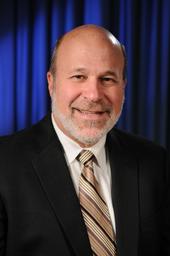
Last week, I sat down with Northern Virginia delegate Mark Keam (D-35th) and asked him questions about agriculture, Farm Bureau, and what farmers can do to create relationships with urban legislators.


Tell us about the district you represent.

I represent probably the most urban area of the commonwealth. I have Tyson’s Corner Mall, Tyson’s downtown, which has a lot of skyscrapers and headquarters of a lot of companies. In some areas of my district, it doesn’t feel like I’m in Virginia. I could be in New York or Chicago—it’s very metropolitan.

Just a mile southwest of Tyson’s is a town called Vienna—it’s 122 years old. It’s a fantastic town with about 10-15,000 people. You can walk down main street, and everyone knows you. It feels very small town USA.

For me, I feel like I have the best of all worlds. I have the big urban centers, I have the small town feel, I have the suburban neighborhoods, and then I have apartments with low income dwellers and young people.

Do you know of any farms or farmers in your district?

I have a sampling of everything in my district, but I have no farms or an agricultural presence. Vienna has a very prominent farmers market. My wife loves to go there because you can get beautiful tomatoes and other vegetables like you just can’t get at the grocery store. I also go there a lot to meet people, and I always run into people from out of town visiting the farmers’ market. Some have been from Maryland and Pennsylvania–they’re in town visiting their families or for whatever reason, and instead of visiting the hustle and bustle of the city, they visit the farmers’ market.

Why did you get into politics?

I was born into a family of public servants. My dad was a Presbyterian minister and missionary, so we were expected to serve in the public sector as opposed to the private sector. I came to America as a teenager and became very interested in history and politics. I was living in California and got an internship in DC at the Democratic headquarters. I would walk past cemetery in Falls Church and saw the dates on the tombstones–some dating back to the 1700s. California wasn’t even a state then, so the historical aspect of Virginia really interested me.

Also, being an Asian minority, I didn’t see a lot of people who looked like me in Virginia. I asked myself, “Do I belong here?” I decided that if I didn’t move here, others wouldn’t move here either.  So now I work on integrating different people and backgrounds together. To me, politics is a way to bring people together, get issues out there, and push policies you think are right through the democratic process.

What has your experience been with agriculture? Have you visited a farm? Did you or any friends and family grow up on a farm?

My mom had a friend in California who grew Korean melons. I remember visiting the farm as a teenager, and wondering why all the melons were on the ground. I thought there had been a storm! I had no idea melons grew on the ground like that! When you buy melons and fruit from the store, you don’t think about how it was grown or how it got there.

Also, my wife grew up on a farm in Korea. When she was young, her father had an opportunity to move the family to the United States to work on a poultry farm on the Eastern Shore (Maryland).  My father-in-law, one of the bravest men I knew, achieved the American Dream through agriculture. By working on that poultry farm, he was able to provide for his family, save money  and eventually open up his own business.

My son, Tyler, has recently gotten interested in gardening. Last year I came home and noticed my son had planted some things in our flower bed. My wife helped him, and we had fresh tomatoes and peppers. This year, he has an even bigger section and wants to grow a lot more things. So it’s like we’re starting our own little family farm!

What issues do you think are important to Virginia farmers right now?

Because I don’t serve on the ag committee, I only see a bill if it makes it to the House floor. But I think there are a couple things: importing and exporting our agricultural products is one. I’ve worked on the trade agreement with Korea in Congress. One of my interests is free open trade and to make sure our agricultural products are competitive, so from a global perspective, that is an issue to me.

Locally, I know family farms are dealing with government regulations that need to make sense. But every aspect rural culture is different than the infrastructure in my district. It’s important for legislators like me to spend time with you guys out on your farms so I can have a better understanding of the issues affecting you.

What has your experience been with Farm Bureau? What issues have we helped you with?

Well, I’ve met with someone from the [American] Farm Bureau, and he explained to me the policy making process starting at the state level through the national level. I was really curious about it. I appreciate the history of the Farm Bureau and what you’ve stood for.

I was also very honored to be endorsed by Virginia Farm Bureau. I had never run for office before, and I was running against a Republican who was well known in the business community. My campaign advisors suggested it may not be worth meeting with business groups that normally do not endorse Democrats. But I wanted to talk to everyone. I wanted groups to support me not because of my party affiliation, but because they believe I’m the better candidate.

I was nervous when I met with Farm Bureau representatives — I had no idea what to expect. There is nothing on my resume that shows I have a connection to the agriculture industry. For a lot of the questions, I could only talk about what I thought the policy should be, since I’d never had actual experience dealing with these issues. I walked out of the meeting thinking, “I didn’t do very well.” A few weeks later, Andrew Smith called and told me I got the endorsement. I couldn’t believe it! But I was so pleased that the Bureau representatives rewarded me for my honest and candid answers. I know we’re not going to agree on every issue, but I was glad to know we had some common ground. To this day, the campaign endorsement that means the most to me is Farm Bureau’s.

 What can farmers do to better reach out to urban legislators like yourself to educate them about our issues? What’s the best form of communication? Visits, phone calls, emails, letters?

I would love to do a farm tour so we can appreciate what you do and have a better understanding of the issues you’re facing. As far as making contacts, visits are the most effective way to reach out to us. It’s always best one on one. I know you guys can’t get out here that often, so the next best thing is repetition. Email me AND call me about an issue. The more I hear from you, the more I understand how important something is to you.
American Farm Bureau Federal Issue Update: Child Labor

AFBF President
Bob Stallman

On Sept. 2, 2011, the Department of Labor (DOL) released a notice of proposed rulemaking (NPRM) that would affect the employment of youth in agriculture. The Fair Labor Standards Act (FLSA) permits youth under the age of 16 to work in agriculture, but also authorizes the secretary of labor to designate certain activities or occupations that may be “particularly hazardous” and to prohibit youth from being employed in such jobs. Such restrictions do not apply to youths employed on farms owned or operated by their parents or individuals standing in place of their parents.  DOL proposal would greatly restrict permissible jobs for youths under 16, in addition to narrowing the parental exemption; DOL also appears to be soliciting comments on expanded restrictions, including prohibiting youth in some circumstances from working in extreme temperatures and being paid piece rates.

Farm Bureau and more than 70 other agricultural organizations filed extensive comments with DOL objecting to the proposals. These agricultural organizations represent the breadth of nearly every commodity and region.

Last week, DOL decided to re-propose the ‘parental exemption’ rule, which which prohibits youth from doing various farm activities on farms at which they don’t reside. American Farm Bureau President Bob Stallman released the following statement regarding the issue.

“The decision today by the Labor Department to re-propose the ‘parental exemption’ in the child labor rule is a positive step, but much more work is needed. We will continue to work with the administration to address our concerns with the rule. Any final regulation must make sense, not infringe on the traditional rights of family farms and not unnecessarily restrict the ability of young people to work in agriculture. As DOL’s proposed rule stands currently, that is not the case.

“Farm work has always played a significant role in the lives of rural youth across the country, whether they are milking cows on their grandparents’ farm or harvesting apples as a summer job. DOL’s rule would have a detrimental effect on family farms and would create an even tighter supply of farm labor when it’s already in short supply.

“Farm and ranch families are more interested than anyone else in assuring the safety of farming operations. We have no desire at all to have young teenagers working in jobs that are inappropriate or entail too much risk. But, laws and regulations need to be sensible and within reason—not prohibiting teenagers from performing simple everyday farm functions like operating a battery-powered screwdriver.

“We appreciate Agriculture Secretary Tom Vilsack’s diligent work on the issue and look forward to working with USDA and DOL further on establishing a rule that respects the importance of youth farm work in rural America and the importance it plays in our system of family-based agriculture.”

Sunday hunting sees its shadow in House subcommittee

 Just like Punxsutawney Phil this morning, Sunday hunting saw its shadow last night –all four House bills regarding Sunday hunting were tabled in subcommittee, including:

♦  HB921(Lingamfelter) that would allow hunting on Sunday on both public and private land.

♦ HB369 (Webert) that would allow Sunday hunting on private land with permission of the landowner.

♦ HB1002 (Ramadan) that would allow hunting on Sunday on private land in the counties of Fairfax, Fauquier, Loudoun and Prince William.

♦ HB989 (Morefield) which allows for hunting on Sunday between 2 p.m. and midnight.

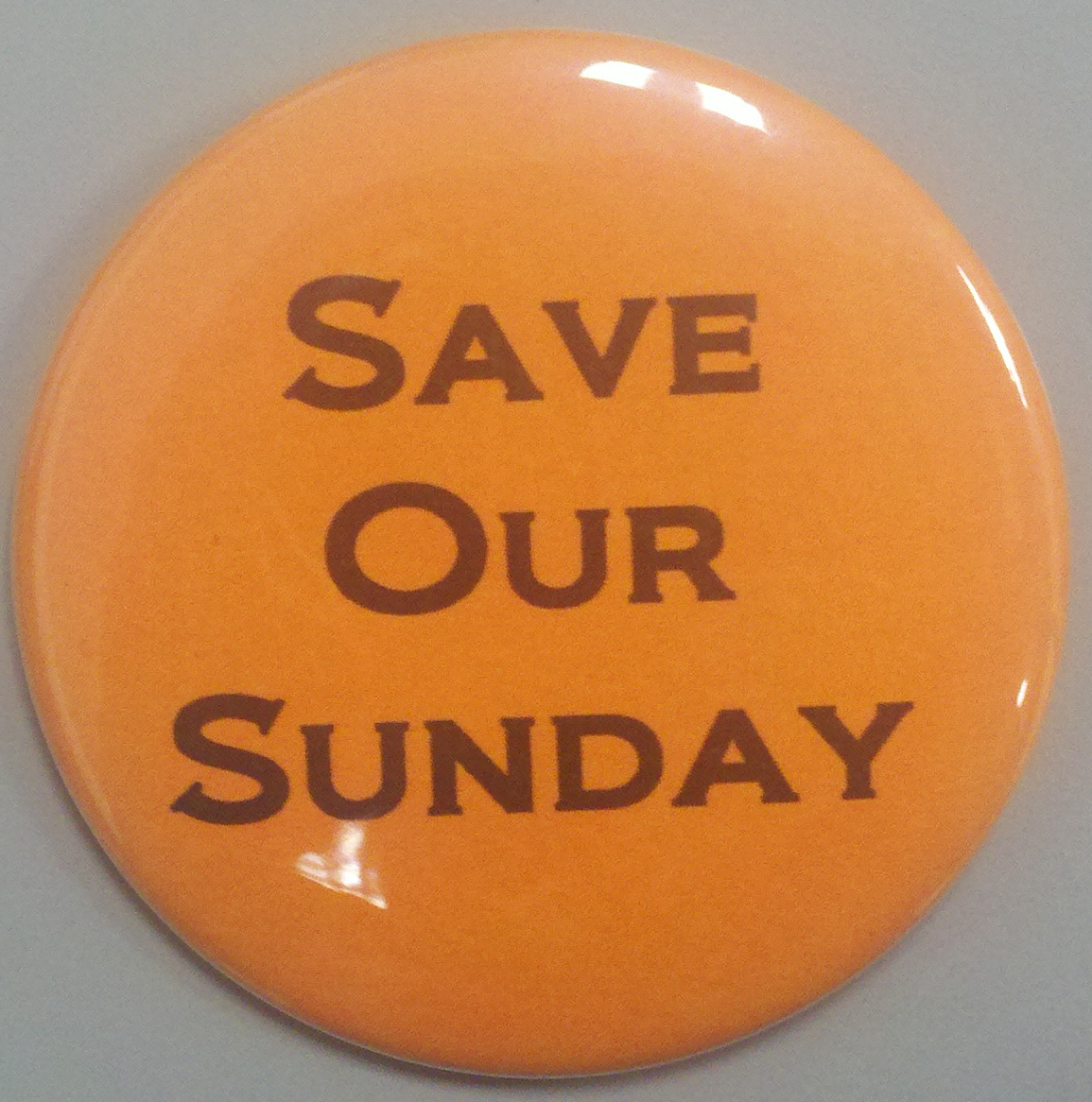
 In the packed subcommittee room, hunters, landowners, horse enthusiasts and people who want to enjoy a peaceful Sunday displayed their opposition to the bills by wearing buttons that said “No Sunday Hunting” and “Save Our Sunday.” Many also took to the podium to speak out again Sunday Hunting.

When people were asked to stand to show who was in opposition to Sunday Hunting, nearly the entire room rose to its feet. Less than 10 people stood up with proponents of the issue were asked to stand.

Again, thank you for responding to our action alerts and contacting your legislators on this issue! As you can see, your voices really made a difference!

Our work is not done, though. We’ve only won a battle so far, not the war. SB464 (Northam, Puckett, Petersen and Wagner) will be heard by House subcommittee during crossover. Also, people may try adding amendments allowing Sunday hunting to other bills. We are monitoring everything very closely to make sure we continue to uphold the policy that you all developed and voted for.