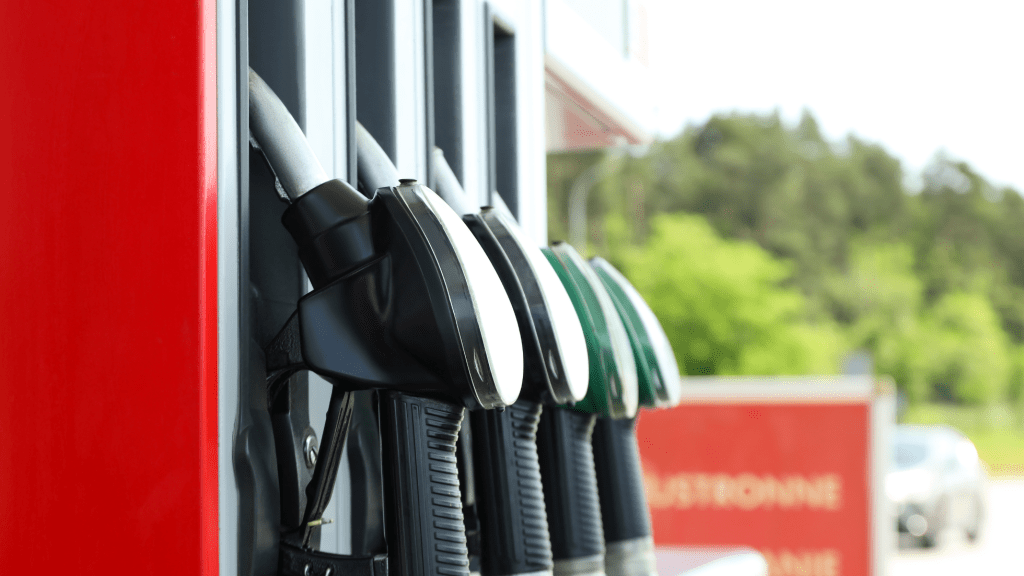
The U.S. Environmental Protection Agency announced a temporary emergency fuel waiver that will allow nationwide sales of E15 gasoline and remove federal barriers to selling E10 fuel across the country. The action, taken in consultation with the Department of Energy and under authority of the Clean Air Act, is designed to strengthen the domestic fuel supply and provide Americans with relief at the pump ahead of the summer driving season.
Beginning May 1, 2026, EPA’s waiver will keep E15 — gasoline blended with 15% ethanol — available nationwide and prevent supply disruptions during peak travel months. Without this action, roughly half the country would be unable to sell E15 this summer. The waiver also temporarily removes enforcement of state “boutique fuel” requirements, allowing a consistent national fuel standard and improving distribution efficiency.
EPA Administrator Lee Zeldin said the move will increase fuel supply and consumer choice while maintaining environmental protections. Agriculture Secretary Brooke Rollins emphasized that year‑round access to E15 benefits both drivers and farmers by expanding markets for American‑grown biofuels and supporting domestic energy independence.
E15 is already offered at more than 3,000 gas stations nationwide and is often a lower‑cost option for consumers. By temporarily easing volatility and blending requirements for gasoline, EPA aims to reduce reliance on imported fuel, lower energy costs and reinforce America’s domestic energy supply.
The waiver will initially remain in effect through May 20, 2026, with EPA continuing to monitor fuel supply conditions and prepared to extend the action if necessary.
Virginia Issues Emergency Transportation Waiver for Winter Storm Relief (Jan. 22 – Feb. 5, 2026)
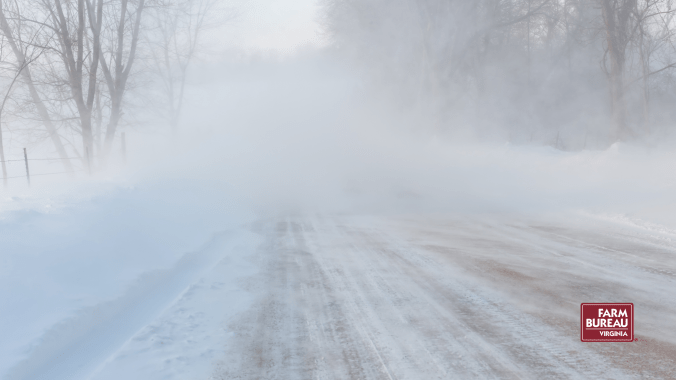
As Virginia prepares for significant winter weather—expected to include snow, ice, and freezing rain—the Commonwealth has activated an emergency transportation waiver to support rapid response and recovery. Effective January 22, 2026, through February 5, 2026, the Virginia Department of Motor Vehicles (DMV) has authorized a temporary suspension of certain transportation regulations for carriers engaged in winter storm relief efforts.
This emergency order is designed to help move critical supplies and services quickly and safely across the state as severe weather threatens to impact infrastructure, utilities, and essential community needs.
Why the Waiver Was Issued
This action follows the Governor’s State of Emergency (EO‑11), issued in anticipation of the winter storm expected to significantly affect Virginia—particularly on January 24–25, 2026. By loosening specific transport restrictions, the Commonwealth aims to ensure that emergency crews, utility service providers, and supply carriers can reach affected areas without unnecessary delays.
Key Details of the Transportation Waiver
📅 Duration
January 22, 2026 – February 5, 2026
The waiver is active for the duration of direct emergency assistance or 30 days, whichever is shorter.
🚚 Who the Waiver Applies To
Carriers providing direct assistance in winter storm response, including:
Emergency relief supplies
Food, fuel, water, and medical materials
Infrastructure restoration equipment
Utility repair and restoration services
Other goods essential to protecting life, property, and critical services
📌 What the Waiver Includes
1. Registration & Licensing Relief
Carriers participating in emergency relief operations receive a temporary waiver of certain registration and licensing requirements.
2. Weight & Width Exemptions
To accelerate transport of heavy and oversized equipment, Virginia is easing some size and weight restrictions on VDOT‑controlled roads, including:
3‑axle trucks: Up to 60,000 lbs allowed
Additional allowances for vehicles supporting utility and relief missions
Important: These weight exemptions do not apply to posted bridges or structures.
3. Hours-of-Service Flexibility
The order activates FMCSA Section 390.23, which provides relief from federal hours‑of‑service regulations during emergencies. This allows drivers supporting storm response to operate with expanded flexibility, coordinated through the Virginia Department of Emergency Management (VDEM).
Limitations to Be Aware Of
Even with the emergency flexibility, certain restrictions remain in place to protect public safety and infrastructure:
No weight exemptions on interstate highways unless a separate federal emergency declaration is issued.
Posted bridges and structures remain restricted regardless of this waiver.
Exemptions only apply while carriers are engaged in direct emergency assistance—once normal operations resume, so do standard regulations.
Supporting Virginia’s Winter Storm Response
Emergency transportation waivers like this one play a critical role in ensuring that help arrives where it’s needed most—especially when hazardous weather threatens essential infrastructure and community services. By temporarily suspending certain administrative and operational barriers, Virginia is equipping disaster-response teams and partner organizations with the flexibility needed to act quickly and efficiently.
As winter weather unfolds, carriers participating in relief efforts should stay informed of any updates from the Virginia DMV, VDEM, and state officials regarding travel conditions, safety requirements, and changes to emergency declarations.
The USDA has released per-acre payment rates for the Farmer Bridge Assistance (FBA) Program. Eligible producers will receive pre-filled applications and payments by February 28, 2026.
Payment Rates by Commodity
Commodity
Rate per Acre
Rice
$132.89
Cotton
$117.35
Oats
$81.75
Peanuts
$55.65
Sorghum
$48.11
Corn
$44.36
Wheat
$39.35
Chickpeas (Small)
$33.36
Soybeans
$30.88
Chickpeas (Large)
$26.46
Safflower
$24.86
Lentils
$23.98
Canola
$23.57
Mustard
$23.21
Barley
$20.51
Peas
$19.60
Sunflower
$17.32
Sesame
$13.68
Flax
$8.05
Key Eligibility Information
Eligible Acres:
Based on 2025 planted acres
Double crop acres qualify (both initial and subsequent plantings)
Prevent plant acres are NOT eligible
Eligible Uses:
All intended row crop uses EXCEPT: grazing, volunteer stands, experimental, green manure, crops left standing and abandoned, or cover crops
Crop Insurance:
NOT required for FBA payments
USDA strongly recommends utilizing new risk management tools from the One Big Beautiful Bill Act
Specialty Crops and Sugar
The remaining $1 billion is reserved for specialty crops and sugar producers. Payment timelines are still under development.
The USDA will provide $12 billion in one-time bridge payments to American farmers facing market disruptions and elevated production costs.
What Farmers Need to Know
The Farmer Bridge Assistance (FBA) Program will distribute up to $11 billion to row crop producers of barley, chickpeas, corn, cotton, lentils, oats, peanuts, rice, soybeans, wheat, and other covered commodities. Payments are expected by February 28, 2026.
Action Required: Farmers must ensure their 2025 acreage reporting is accurate by 5 p.m. ET on December 19, 2025. Commodity-specific payment rates will be released by month’s end.
The remaining $1 billion is reserved for specialty crops and sugar, with details still under development.
Building on Historic Farm Support
This bridge program comes on top of over $30 billion in disaster and economic assistance already delivered in 2025, including:
$9.3 billion through the Emergency Commodity Assistance Program
$6 billion in supplemental disaster relief
$1.8 billion for specialty crop producers
These payments are designed to support farmers until the benefits of the One Big Beautiful Bill Act take effect in October 2026, which raises reference prices for major commodities by 10-21%.
Trade Wins and Market Access
The administration has secured trade agreements with more than 15 countries, opening new markets for American agricultural products:
Japan committed to $8 billion in agricultural purchases
China resumed large purchases of soybeans and sorghum
The EU agreed to purchase $750 billion in American energy while addressing barriers for pork and dairy
Thailand eliminated tariffs on 99% of U.S. goods, including most agricultural products
Additional Actions for Farmers
The Trump Administration has also:
Reduced H-2A farm labor costs, saving at least $2 billion initially
Provided nearly $1 billion in Section 32 commodity purchases for food assistance
Signed an executive order targeting price fixing and anti-competitive behavior in agricultural markets
Expanded crop insurance support, saving farmers over $400 million annually
Questions?
Producers can submit questions or request meetings by emailing farmerbridge@usda.gov.
EPA and the Army Corps have released a new proposed rule defining “waters of the United States” in response to the Supreme Court’s Sackett v. EPA decision. The rule was officially published in the Federal Register on Nov. 20, 2025, and the agencies are now accepting public comments.
This proposal begins to align the federal definition of WOTUS with the clarity that the Supreme Court required. It provides meaning to key terms like “relatively permanent” and “continuous surface connection,” which dictate the scope of the federal government’s jurisdictional reach under WOTUS. These changes matter. Farmers and ranchers need a clear, workable rule that protects clean water and respects private property and state authority.
We need your help: EPA and the Corps will only take comments for 45 days, and it is important that farmers and ranchers are heard. Sharing your story and asking the agencies to finalize a clear and durable rule will make a difference.
Take action: Use the link below to submit your comment. A draft comment is provided on the action page, and you can personalize it if you choose.