
AFBF President Zippy Duvall
“The American Farm Bureau Federation congratulates President-elect Trump on his election, as well as those candidates elected to serve during the 115th Congress. The important issues facing American agriculture are not red or blue, but they are critical to the prosperity of rural America and our ability to protect our nation’s food supply. We urge our elected representatives to reach across the aisle and come together to resolve the challenges we face.
“Farmers understand that their businesses and their families have too much at stake to take a back seat on Election Day, and rural America clearly made a difference in this election. Now it’s time for our newly elected leaders to turn up for rural America and keep their campaign promises by addressing the issues that matter to the people who sent them to Washington. Farm Bureau looks forward to working with the new administration and Congress on issues such as the farm bill, tax reform and a trade agenda focused on reducing barriers and expanding exports.
“America’s farmers are working overtime to ensure our food supply is safe and sustainable. It’s time our elected leaders put that same diligence to work protecting U.S. agriculture by promoting innovation and ensuring we have an adequate workforce. We need regulatory reform that boosts farm businesses rather than shutting them down. Farmers are concerned for the environment and are hopeful that the new administration will recognize agriculture’s strides in sustainability and protect our ability to produce.
“Elected officials come to Washington with different perspectives and ideas, but they share a common goal of wanting to make our nation better for all Americans. At Farm Bureau, we will continue to do our part to help identify opportunities for cooperation to improve the lives of rural communities, and all American farmers.”
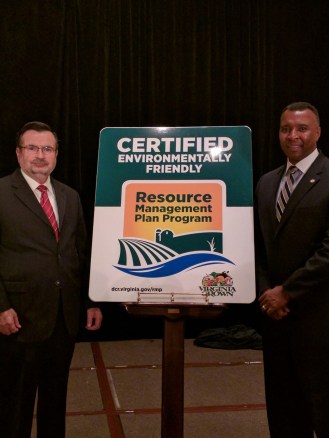 Over the past two years hundreds of Virginia farmers have taken proactive steps to protect water quality on their land. Virginia Secretary of Agriculture and Forestry Dr. Basil Gooden applauded their efforts Nov. 29 at the Virginia Farm Bureau Federation’s 2016 Annual Convention in Hot Springs.
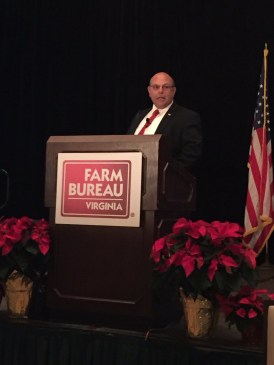 America’s farmers, like the nation itself, face a time of impending changes. The president of the American Farm Bureau Federation told Virginia farmers the best way to approach those changes is as a unified front.

 Piedmont Virginia Community College is now offering a drone certification class for farmers who want to use that technology.
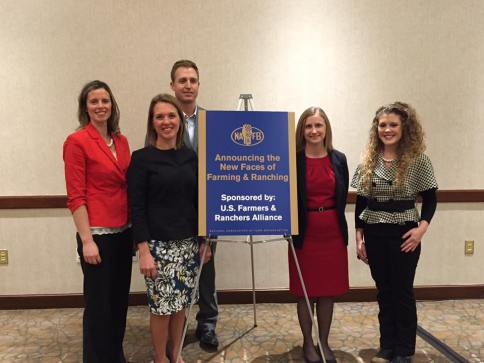 From the cotton fields in the South Plains of West Texas and broilers and cattle of Shenandoah Valley in Virginia to America’s Dairyland in Wisconsin and the broad diversity of pigs, sheep, corn and soybeans in Ohio, the U.S. Farmers & Ranchers Alliance’s (USFRA) next class of Faces of Farming & Ranching capture the passion behind agriculture and drive for sustainability and technology on today’s SMART Farm.
 rm Bureau in the past several years you know about our involvement and leadership in opposition to the “Water of the U.S.” or WOTUS rule from EPA. Let’s be clear up-front: clean water is important to farmers and ranchers. Water is necessary for the farm and ranch to thrive! And farmers and ranchers are committed to protecting our nation’s water resources.
 Every four years, the American Farm Bureau Federation asks the Democratic and Republican presidential nominees to address the issues that concern farmers and ranchers the most. We asked Democratic nominee Hillary Clinton and Republican nominee Donald Trump the same questions.
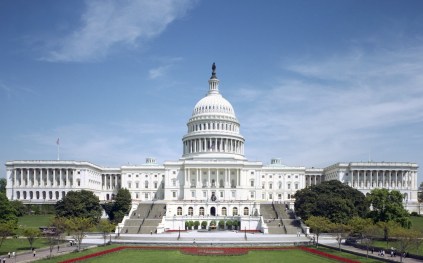 Earlier this year, Virginia Farm Bureau Federation sent a questionnaire to candidates for Virginia seats in the U.S. House of Representatives. Candidates were asked to answer five questions dealing with issues important to Virginia’s agricultural community.
