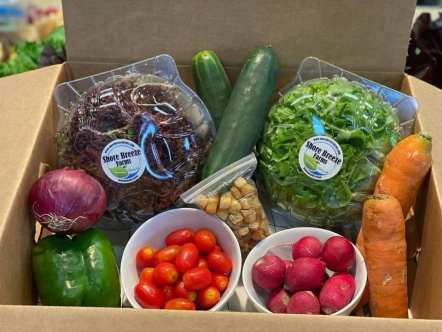
 Governor Ralph Northam today announced that Shore Breeze Farms will expand operations at its hydroponic greenhouse facility in Northampton County, increasing its production of Virginia-grown leafy greens by thirty percent. The company provides Virginia-grown lettuces to Virginia public schools, local restaurants, and farm stands on the Eastern Shore and in Virginia Beach. This is the first Governor’s Agriculture and Forestry Industries Development (AFID) Fund grant awarded to Northampton County.
“It is exciting to see homegrown companies like Shore Breeze Farms harnessing new agriculture technologies to bring fresh, local vegetables to their communities,” said Governor Northam. “Shore Breeze Farms has long been known for innovative product offerings, and I am especially proud to see how they are branching into new markets during the ongoing COVID-19 crisis to offer pre-packaged salad kits to Virginians on the Eastern Shore.”
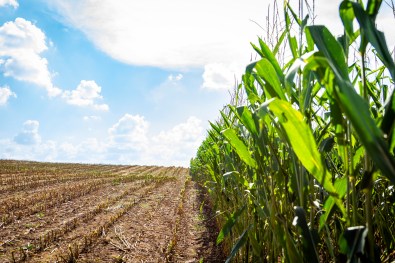 Results from an annual survey of more than 71,000 farmers showed a jump in planted corn and soybean acreage, and a dip in cotton and wheat, compared to 2019.
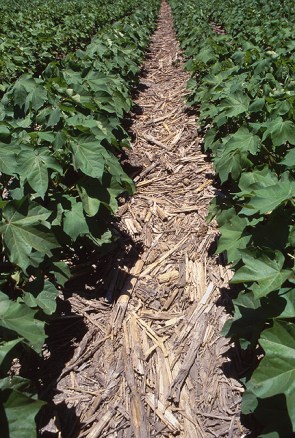 Bipartisan legislation to make it easier for farmers and foresters using conservation practices to participate in carbon markets has been introduced in the House.
 Virginians may not need to worry about murder hornets, but they should be on the lookout for another invasive pest—the spotted lanternfly.
 Hoping to bounce back from an unusually cold spring, some Virginia farmers are now embracing the early summer rainfall.
 The 2020 Virginia General Assembly passed legislation renaming the Virginia Department of Game and Inland Fisheries (DGIF) the Virginia Department of Wildlife Resources (DWR). As of July 1, that name change is official. For more information, click
  Company will make a total payment of $10.1 billion to $10.9 billion (€9.1 billion to €9.8 billion) to resolve current and address potential future Roundup™ litigation
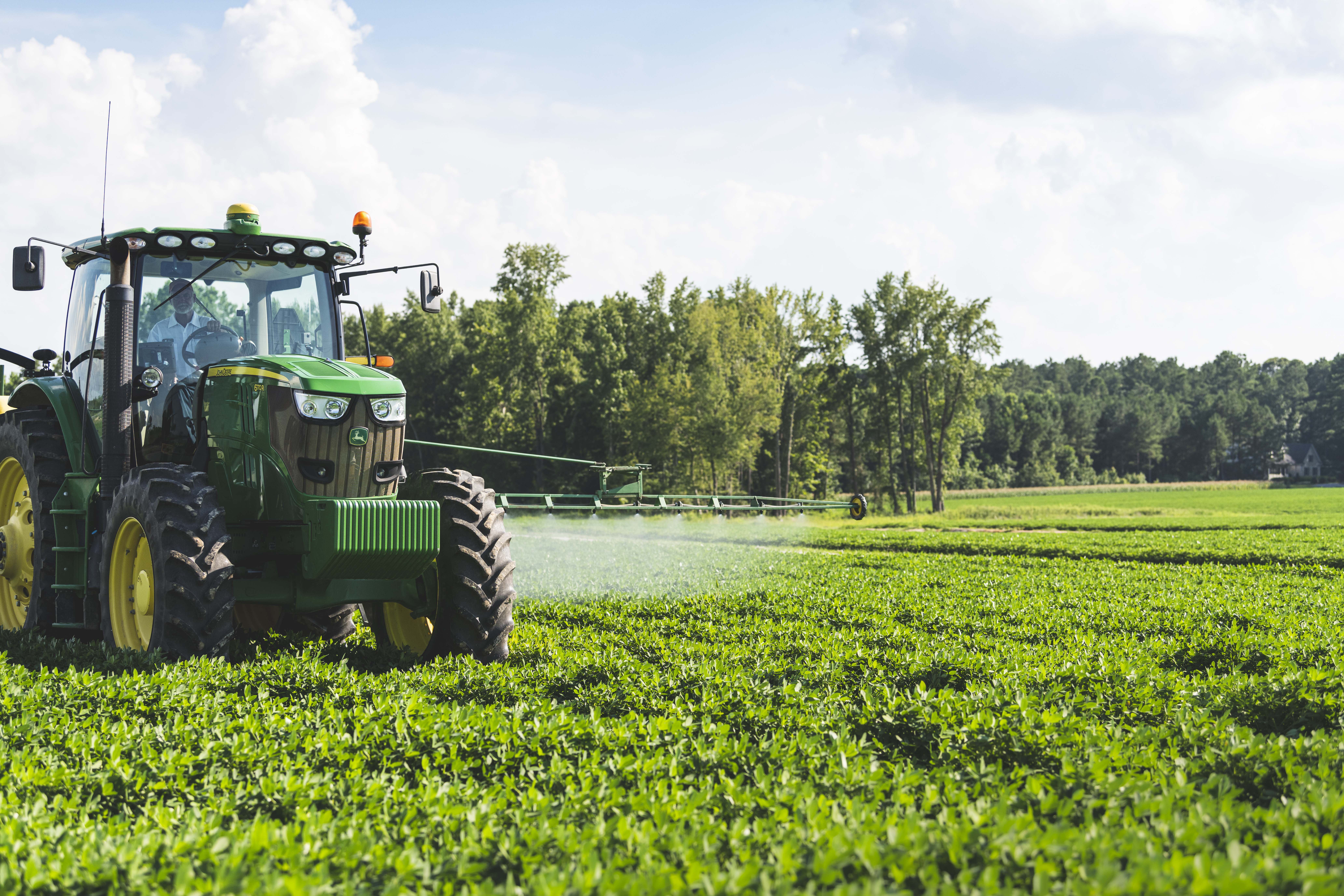 In 2019, a petition was filed in the U.S. Court of Appeals for the Ninth Circuit against the EPA for its decision in 2018 to extend the registration of low-volatility dicamba products, including XtendiMax. The petition was filed by the National Family Farm Coalition, Center for Food Safety, Center for Biological Diversity, and Pesticide Action Network North America. The petitioners requested the court to vacate the current U.S. registrations of certain low-volatility dicamba products, including XtendiMax. The petitioners claim the EPA’s 2018 registration decision was based on insufficient evidence and therefore violated the Federal Insecticide, Fungicide, and Rodenticide Act (FIFRA). In April 2020, the court heard oral arguments on the petition. The EPA defended its science-based registration decision.
