 On Thursday, June 25, Virginia Cooperative Extension is hosting a webinar featuring 5 speakers from USDA Farm Service Agency (FSA) in Richmond. The speakers will provide an overview of the Coronavirus Food Assistance Program (CFAP), information on eligibility and aid available for producers of various crops, and the importance of record keeping.
The webinar will be from 2:30 to 4:00 pm and will include plenty of time for Q&A.
Please register for this meeting in advance by clicking the following link: https://virginiatech.zoom.us/meeting/register/tJEsdu6qqT4qHteoTR1g0d_rdydZYYQrcSu6
After registering, you will receive a confirmation email containing information about joining the meeting.
Speakers and topics include:
Overview – Brent Whitlock
Payment Limitation Eligibility – Emily Horsley
Non-Specialty Crops – Ashlee Dalton
Livestock – Allison Goin
Dairy – Ashlee Dalton
Specialty Crops – Allison Goin
Importance of Maintaining Farm Records – Dan Mertz
Q&A
 BRD Extraction, LLC, doing business as Blue Ribbon Extraction, will invest $3.26 million to establish Virginia’s first large-scale industrial hemp processing and cannabidiol (CBD) oil extraction facility in the Town of South Boston. The project will create 22 new jobs and the company has committed to sourcing over 90 percent of hemp purchases from Virginia growers, resulting in more than $70 million in payments to Virginia farmers over the next three years. Using state-of-the-art equipment, the company expects to be able to process up to 5,000 pounds of industrial hemp per day, primarily grown by local farmers, most of whom are current or former tobacco farmers.
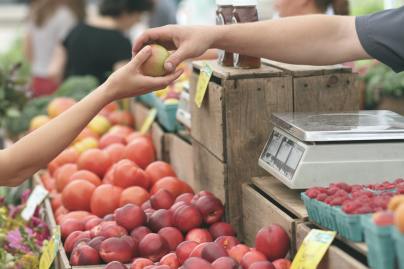 Trust in America’s farmers and ranchers remains high amid the devastating blow delivered by the COVID-19 pandemic. A new American Farm Bureau Federation poll shows 84% of Americans trust the nation’s farmers and the same overwhelming majority support financial assistance from the government for farmers struggling to keep from going under because of the pandemic.
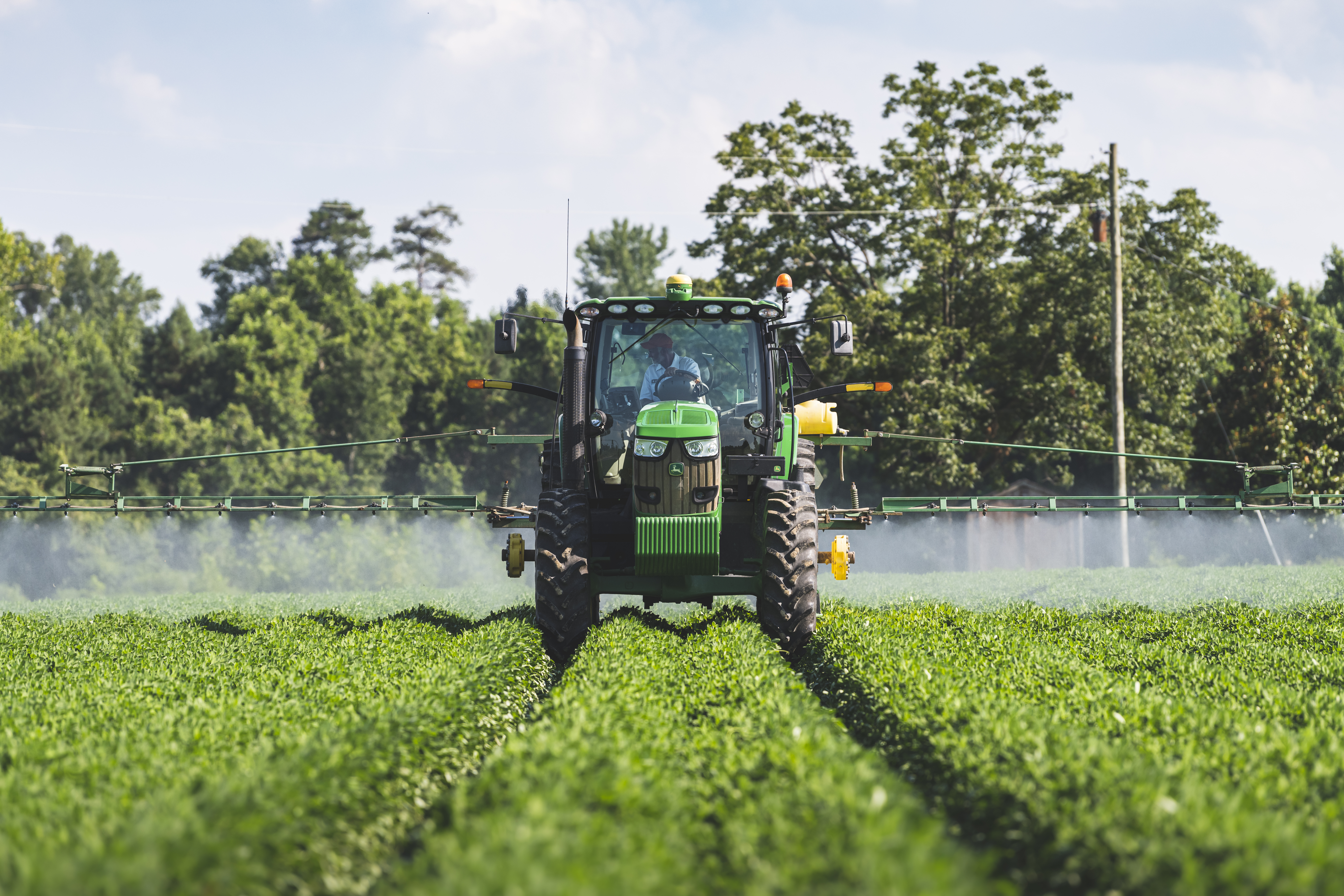 On June 3, the 9th U.S. Circuit Court of Appeals vacated the registrations of three dicamba herbicides—Bayer’s Xtendimax, BASF’s Engenia and Corteva’s FeXapan. The court found that EPA violated FIFRA in its conditional approvals by, among other things, not adequately estimating dicamba damage. The court’s decision does not address Tavium, Syngenta’s dicamba herbicide. In response to the court’s decision, AFBF sent a
 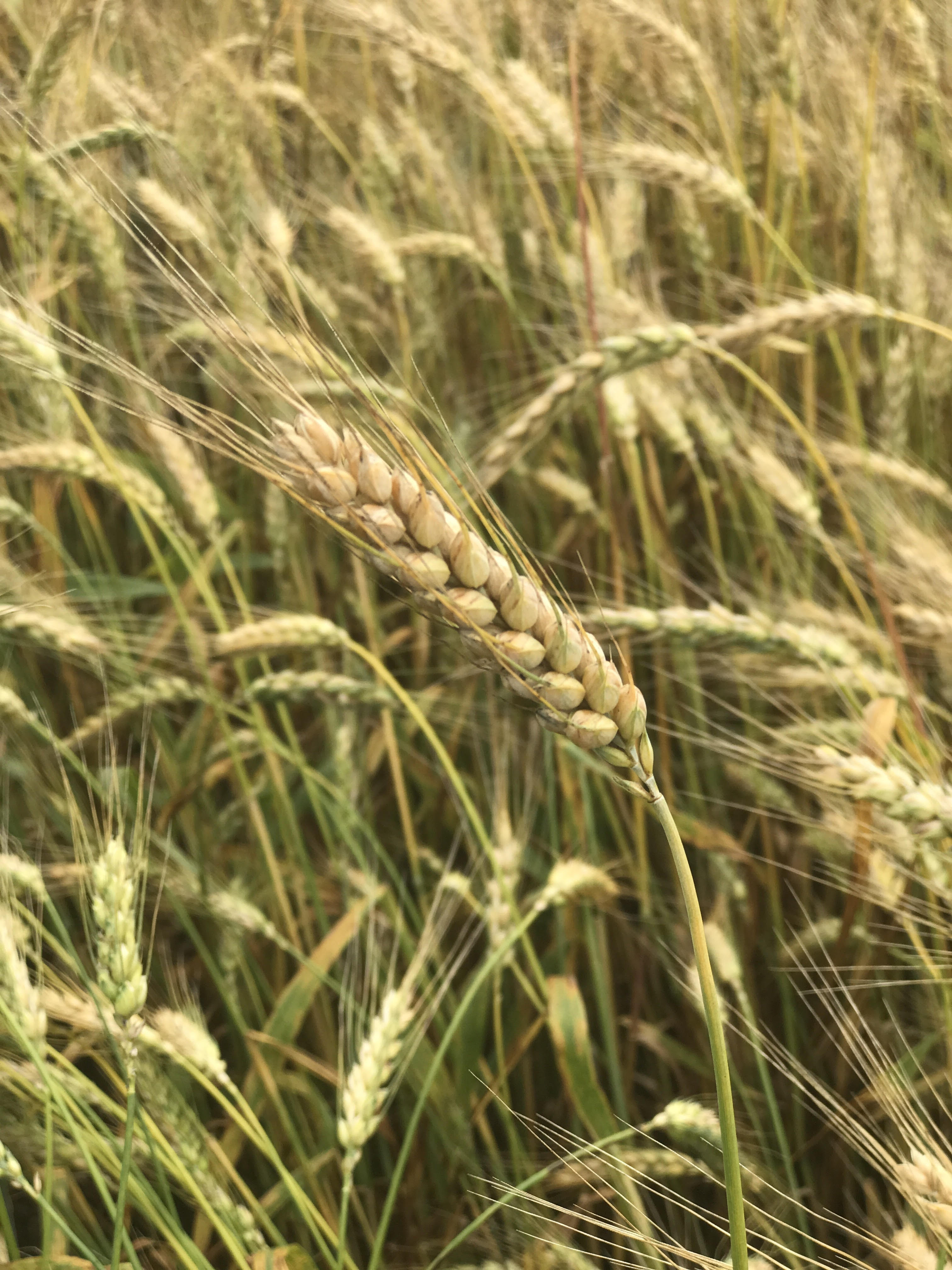 Virginia farmers expect to harvest 11.0 million bushels of winter wheat during 2020 according to the Virginia field office of USDA’s National Agricultural Statistics Service. The expected crop for 2020 would be up 69% from the previous year. The forecast was based on crop conditions as of June 1 and decreased 6% from the May forecast. Growers expect a yield of 61.0 bushels per acre, down 1.0 bushels from 2019 and down 4.0 bushels from May. Farmers seeded 260,000 acres last fall with 180,000 acres to be harvested for grain. Acres for other uses totaled 80,000 acres and will be used as cover crop for tobacco or cut as silage or hay.
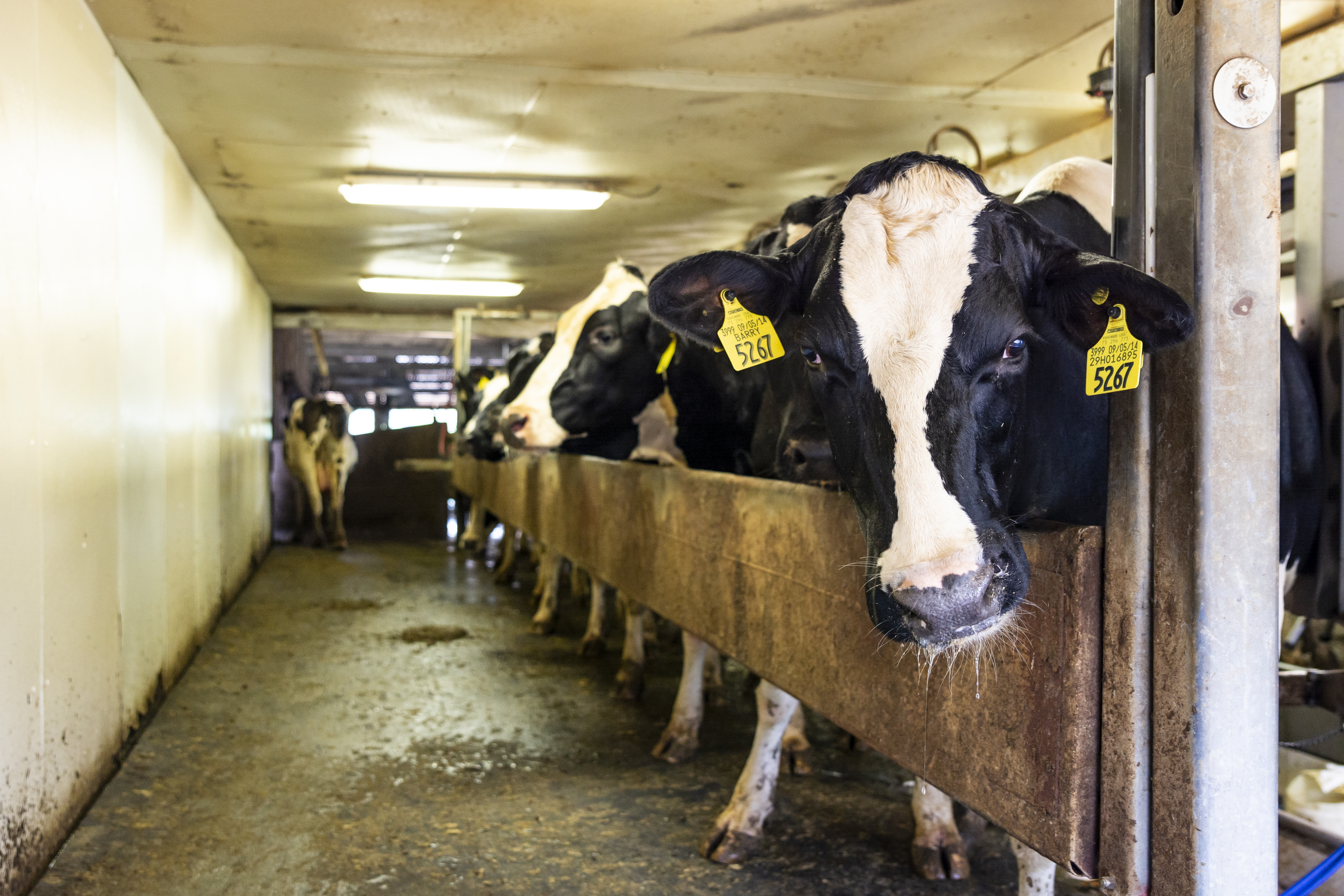 U.S. dairy farmers are facing more than $17 billion in losses tied to the COVID-19 pandemic, but an uptick in prices and flow of federal assistance might offer relief in upcoming months.
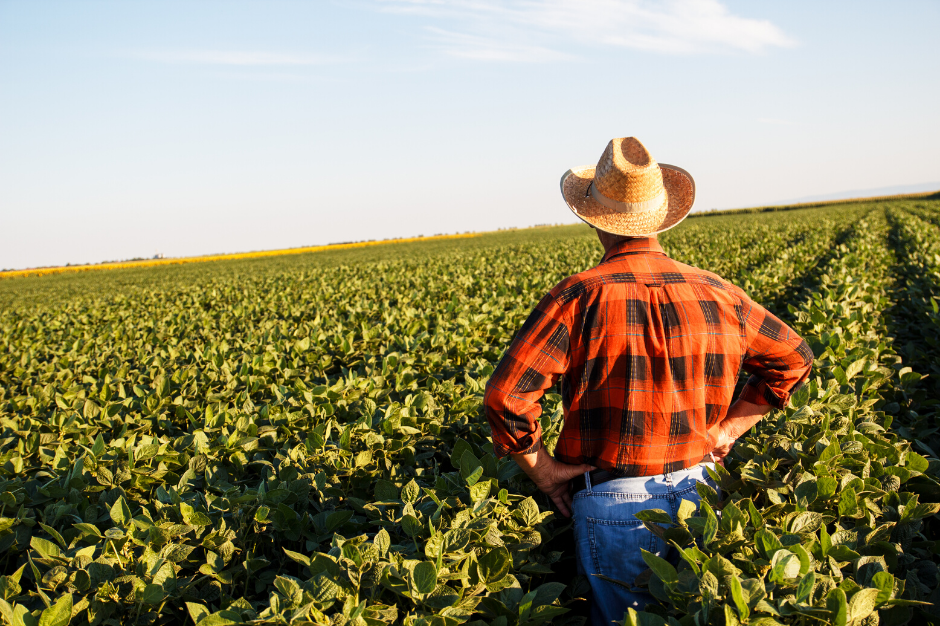 Stressful times can take emotional, mental and physical tolls on farmers.
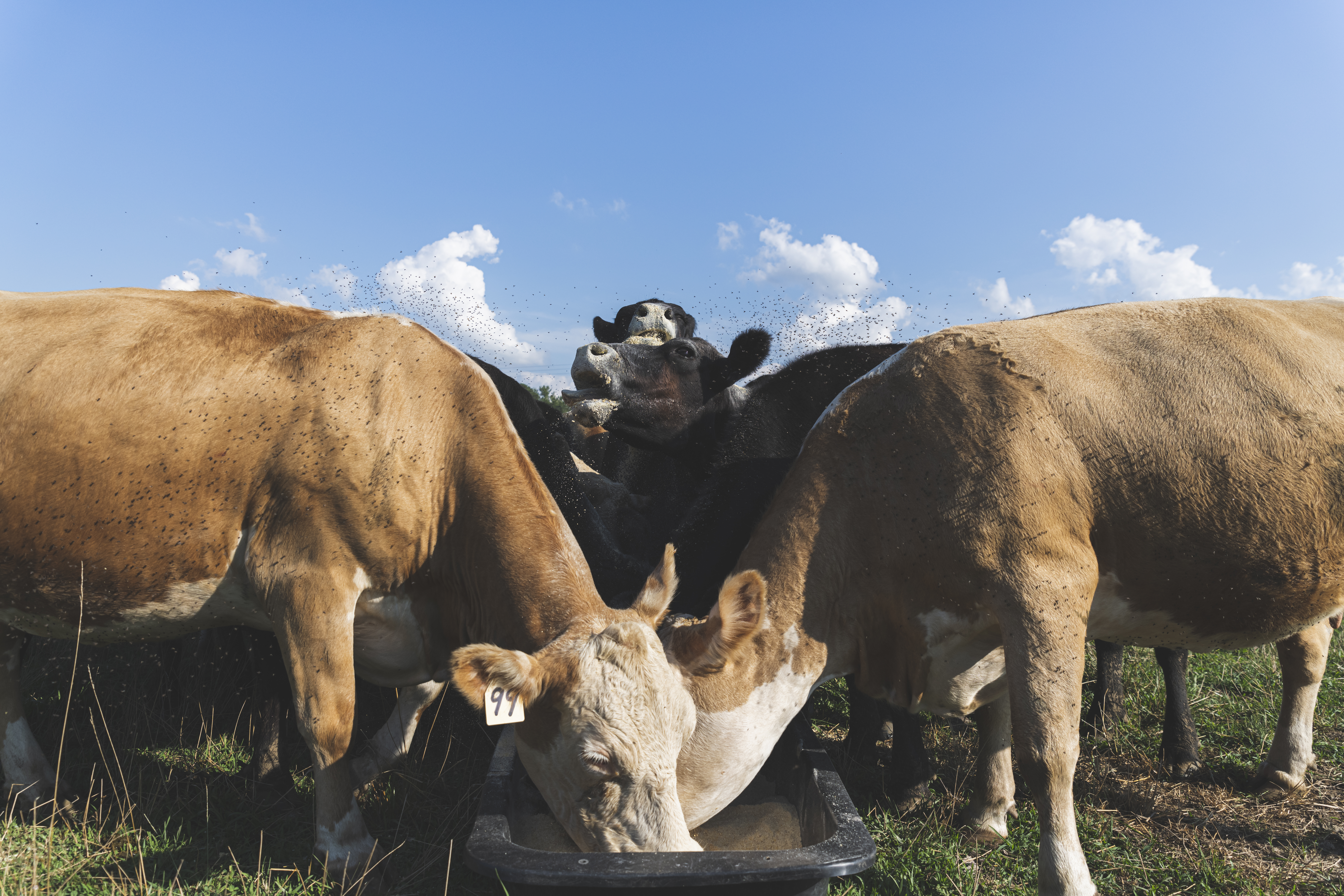 Mitigation measures to control the spread of COVID-19 have disrupted normal livestock marketing channels and supply chains, and economists say it will get worse before it gets better.
