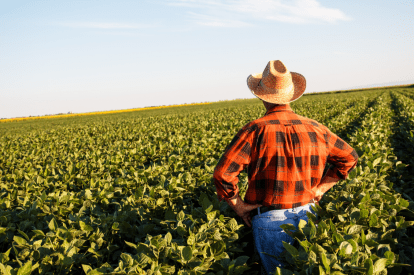
 The American Farm Bureau is asking Senate lawmakers to make several changes to the Paycheck Protection Program to make it more workable for farmers and ranchers.
“While the PPP is providing vital assistance to farmers and ranchers who were able to receive loans, more funding is needed to support those shut out of the program and significant changes are necessary for agricultural producers to fully participate in the PPP,” AFBF President Zippy Duvall said in letter to Senate Small Business and Entrepreneurship Committee Chair Marco Rubio (R-Fla.) and Ranking Member Ben Cardin (D-Md.).

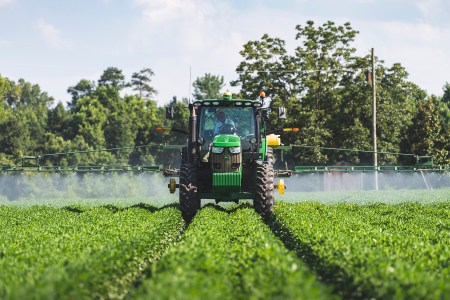 While DMV Customer Service Centers are reopening, the staggered openings and services by appointment only have implications for pesticide applicators and their ability to take the certification exam(s). To address the issue, the Administration has again extended the expiration date for all Notices of Authorization to tests issued on or after December 20, 2019. All authorization letters for prospective applicators to take the exam(s) to become certified issued on or after December 20, 2019, will now expire on October 31, 2020, or the current date of expiration, whichever is greater. Prospective applicators that do not take the exam(s) by October 31, 2020, or the current date of expiration, whichever is greater, will be required to submit a new application with appropriate fees to take the exam(s).
 The U.S. Department of Agriculture (USDA) has
 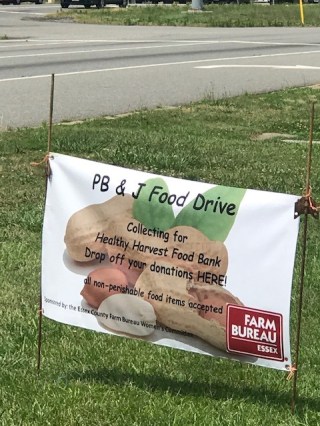 County Farm Bureau Women’s Committees across Virginia are banding together to help the hungry in their communities with a classic lunchtime staple—peanut butter and jelly.
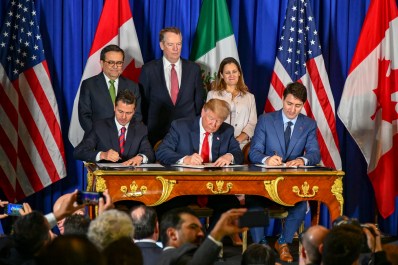 The United States-Mexico-Canada Agreement (USMCA) goes into effect July 1, at a crucial time for farmers struggling to recover from COVID-19 losses and a depressed agricultural economy. The expected $2 billion annual increase in U.S. agricultural exports and overall increase of $65 billion in gross domestic product will provide a welcome boost.
 Farmers are invited to submit nominations for the
 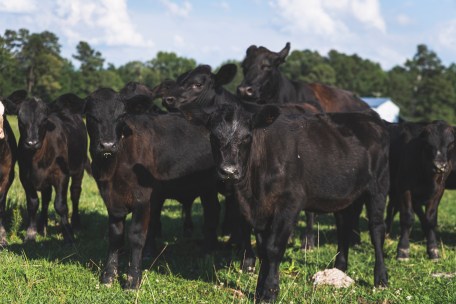 Farm Bureau is backing two recently introduced bills that would help more small meat and poultry plants sell their products in other states and better meet nationwide demand for beef, chicken and turkey.
