
Robert Harper with Virginia Farm Bureau’s grain division provides this week’s market updates.
#merchandiserminute #grainfuture #virginiafarmbureau
Robert Harper with Virginia Farm Bureau’s grain division provides this week’s market updates.
#merchandiserminute #grainfuture #virginiafarmbureau
CattlePulse is a monthly update from Virginia Farm Bureau on the Virginia feeder cattle markets, the national trends that affect them and stories of cattle producers across the commonwealth.
In this month’s episode, host Elijah Griles unpacks the factors fueling the feeder cattle futures rally. He also shares positive developments in the battle against the New World Screwworm fly. Plus, Franklin County cattle producer and meat processor Chase Scott shares his motivation to use the new Virginia Verified Beef label.
Want to get in touch? Contact Elijah at 804-290-1713 or elijah.griles@vafb.com.

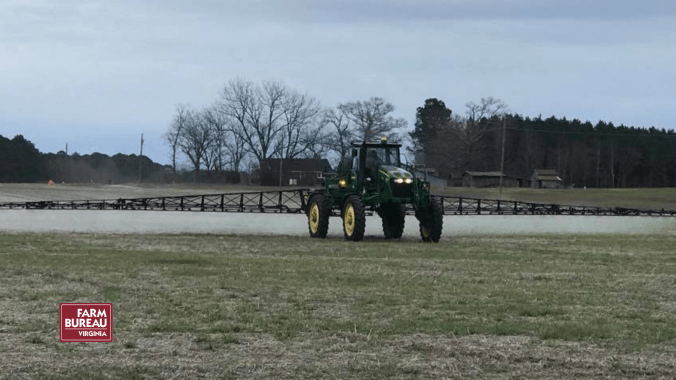
The Virginia Department of Agriculture and Consumer Services (VDACS) is hosting its 2025 Pesticide Collection Program in Southeastern Virginia, offering farmers, dealers, and homeowners a free and safe way to dispose of unwanted pesticides.
The program is open to:
All collection sites operate from 9 a.m. to 1 p.m.:
August 2025:
September 2025:
The program accepts pesticides only. Items NOT accepted include:
Participants must transport their own pesticides to collection sites. For those unable to safely containerize pesticides for transport, VDACS may provide assistance on a case-by-case basis.
Pre-registration recommended: Complete the pesticide collection registration form available at http://www.vdacs.virginia.gov/pdf/pesticide-disposal-registration.pdf and email to marlene.larios@vdacs.virginia.gov or mail to Office of Pesticide Services, VDACS, P.O. Box 1163, Richmond, Virginia 23218.
Since 1997, Virginia’s Pesticide Collection Program has safely collected and destroyed more than 1.9 million pounds of outdated and unwanted pesticides. The program rotates through Virginia’s five regions annually and is funded through pesticide fees collected by VDACS.
Contact your local Virginia Cooperative Extension agent or the VDACS Office of Pesticide Services at marlene.larios@vdacs.virginia.gov or 804.371.6561.
For more information, visit www.vdacs.virginia.gov/pesticide-collection.shtml.
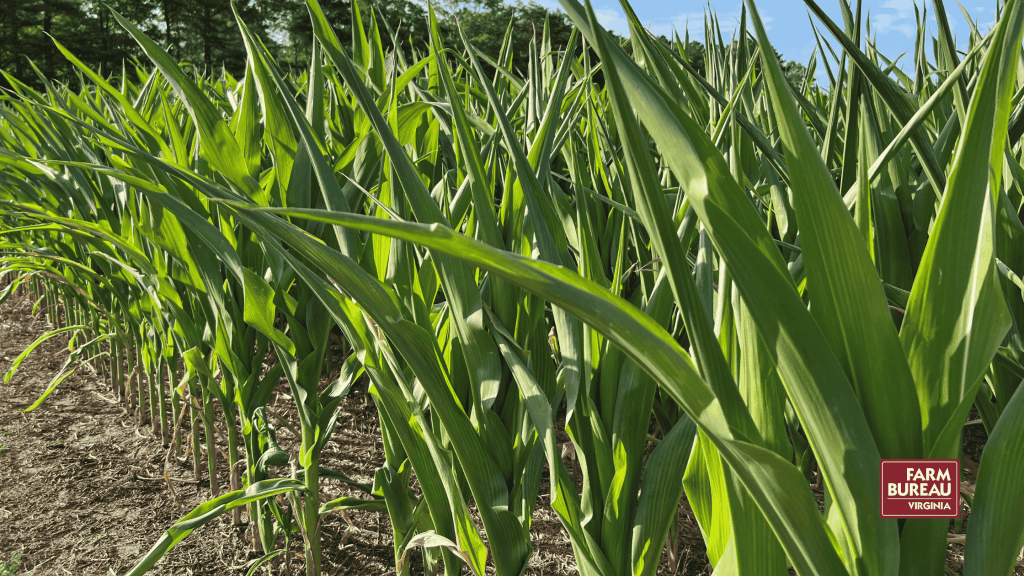
The USDA Farm Service Agency (FSA) is offering the Supplemental Disaster Relief Program (SDRP), providing $16 billion in assistance to agricultural producers who suffered crop losses from natural disasters in 2023 and 2024.
Farmers with eligible crop, tree and vine losses caused by natural disasters including wildfires, hurricanes, floods, tornadoes, winter storms, drought and excessive heat can now apply for Stage One assistance. To qualify, producers must have received payments through crop insurance or the Noninsured Crop Disaster Assistance Program (NAP) during the disaster years.
Applications opened July 10, 2025, at FSA county offices. The USDA has streamlined the process by mailing pre-filled applications to eligible producers on July 9. Farmers need to submit Form FSA-526 along with other required FSA documentation.
Stage One payments are calculated based on coverage levels and existing insurance payouts, with a 35% payment factor applied. Total SDRP payments cannot exceed 90% of losses. If funds remain available, FSA may issue second payments.
Producers receiving SDRP payments must purchase federal crop insurance or NAP coverage at 60% coverage level or higher for the next two crop years. Failure to maintain coverage requires repayment of SDRP funds plus interest.
Stage Two applications for uncovered losses, including shallow losses and quality losses, will open in early fall. This program is part of $30 billion in total disaster assistance being distributed this year.
The USDA has already distributed over $7.8 billion through the Emergency Commodity Assistance Program and more than $1 billion through the Emergency Livestock Relief Program.
For more information and to access the Disaster Assistance Discovery Tool, visit farmers.gov or contact your local USDA Service Center.
Robert Harper with Virginia Farm Bureau’s grain division provides this week’s market updates.
#merchandiserminute #grainfuture #virginiafarmbureau

Agricultural producers across the nation have a unique opportunity to shape how federal farm programs are delivered in their communities. The U.S. Department of Agriculture (USDA) Farm Service Agency (FSA) is now accepting nominations for farmers and ranchers to serve on local county committees, and the deadline is approaching fast.
FSA county committees aren’t just administrative bodies; they’re the backbone of local agricultural decision-making. These committees have real power to influence how disaster recovery, conservation, commodity support, and price support programs are implemented in your area. They also make decisions about county office employment and tackle other pressing agricultural issues that directly affect your operation.
With more than 7,700 dedicated agriculture community members currently serving nationwide, these committees represent the voice of local producers in federal program administration. It’s democracy in action at the grassroots level of American agriculture.
The eligibility requirements are straightforward and designed to be inclusive:
You can be nominated if you:
Don’t worry if you’ve never received program benefits—being a “cooperating producer” simply means you’ve provided information about your farming or ranching operation to FSA. This broad definition ensures that producers at all levels of engagement can participate.
Getting involved is easier than you might think. Here’s what you need to know:
Who Can Nominate:
Key Requirements:
The USDA actively encourages all eligible producers to participate—whether that’s nominating candidates, voting in elections, or serving in office themselves.
Local Administrative Areas (LAAs) are the electoral districts for FSA committees. These can cover:
Not every LAA holds elections each year, so your first step should be contacting your local FSA office to determine if your area is up for election in 2025. You can also use the geographic information system locator tool at fsa.usda.gov/elections to find your specific LAA.
The FSA recognizes that agriculture isn’t limited to rural areas. Urban county committees specifically focus on promoting urban, indoor, and other emerging agricultural production practices. These committees serve 27 cities nationwide and work to:
Urban producers elect their own committee members, ensuring that the specific challenges and opportunities of urban agriculture are properly represented.
Serving on an FSA county committee is a significant commitment that offers real influence over agricultural policy implementation. Committee members serve three-year terms on panels that range from three to 11 members, depending on the size and needs of the area.
The role involves regular meetings, program oversight, and serving as a liaison between local producers and federal agricultural agencies. It’s an opportunity to directly impact how programs are administered in your community while gaining valuable insights into agricultural policy and program management.
With the August 1 deadline approaching, interested producers should act quickly. Here’s your action plan:
Remember, election ballots will be mailed to eligible voters in November 2025, so the nomination period is your chance to ensure qualified candidates are on the ballot.
For additional information about FSA county committee elections, nomination forms, and to access the LAA locator tool, visit fsa.usda.gov/elections. Urban agriculture information is also available at farmers.gov/urban.
Your local USDA Service Center can provide personalized guidance about the nomination process and answer questions about serving on county committees.
Agricultural producers have a voice in how federal farm programs are administered—but only if they choose to use it. Whether you’re interested in serving yourself or know someone who would make an excellent committee member, the nomination process is your opportunity to strengthen agricultural representation in your community.
Don’t let this chance pass by. Get involved, nominate qualified candidates, and help ensure that local agricultural voices are heard in federal program administration.
Robert Harper with Virginia Farm Bureau’s grain division provides this week’s market updates.
#merchandiserminute #grainfuture #virginiafarmbureau
CattlePulse is a monthly update from Virginia Farm Bureau on the Virginia feeder cattle markets, the national trends that affect them and stories of cattle producers across the commonwealth.
In this month’s episode, host Elijah Griles breaks down the record-setting feeder cattle prices driven by tight national inventories and strong seasonal demand. He also discusses the impact of the New World screwworm fly on U.S. cattle imports and what it could mean for Virginia producers. Plus, Halifax County cow-calf producer Adam Davis shares how he’s using genetic data to improve herd performance.
Want to get in touch? Contact Elijah at 804-290-1713 or elijah.griles@vafb.com.
Robert Harper with Virginia Farm Bureau’s grain division provides this week’s market updates.
#merchandiserminute #grainfuture #virginiafarmbureau

Virginia’s battle against invasive imported fire ants has reached a new phase, with state officials announcing a significant expansion of quarantine areas to prevent further spread of these destructive pests across the commonwealth.
The Virginia Department of Agriculture and Consumer Services (VDACS) has added ten new localities to the existing Imported Fire Ant Quarantine, bringing additional protections to both agricultural and urban areas. The expansion now includes:
Counties:
Independent Cities:
This expansion comes after recent VDACS surveys confirmed that imported fire ants (Solenopsis invicta Buren and Solenopsis richteri Forel, and their hybrids) have become established in these areas, creating an urgent need for containment measures.
Imported fire ants aren’t just a minor nuisance—they pose significant risks to Virginia’s economy, environment and public health. These invasive insects damage crops and agricultural equipment, disrupt local wildlife populations and create serious problems in urban areas. For humans, fire ant stings can cause painful welts and allergic reactions, with rare cases leading to life-threatening anaphylactic shock.
Once fire ants establish themselves in an area, they spread rapidly through natural means and human activities. Without proper containment, they can quickly colonize new territories, making early intervention critical.
Companies operating within the quarantined areas face new responsibilities when shipping materials outside the quarantine zone. Any business moving regulated articles must now certify that their products are free of imported fire ants.
Regulated articles include:
Businesses have two main options for compliance: follow USDA-approved treatment protocols or enter into a compliance agreement with VDACS. The detailed treatment guidelines are available in the USDA’s Quarantine Treatments manual, which provides step-by-step procedures for ensuring shipments meet quarantine requirements.
VDACS has made several resources available to help businesses navigate the new requirements:
Businesses can check whether their location falls within the quarantine area by consulting the most current map on the VDACS website. Those needing to ship regulated materials should review the compliance options and consider entering into an agreement with VDACS to streamline their operations.
This quarantine expansion represents Virginia’s proactive approach to invasive species management. By implementing these restrictions now, the state aims to slow the spread of imported fire ants and protect uninfested areas from future colonization.
For businesses and residents in affected areas, the quarantine may require some operational adjustments, but these measures are essential for protecting Virginia’s agricultural economy and natural resources from long-term damage.
More information about the Virginia Imported Fire Ant Quarantine, including compliance procedures and updated maps, is available on the VDACS website at their plant industry services section.

