China Lifts Virginia Hardwood Log Import Ban
While the ban has been lifted for hardwood logs, it remains for softwood logs originating or tested in the Commonwealth. The Pine Wood Nematode concern that remains will continue to be a top priority within the Administration and Secretary’s offices and both have reached out once again to our industry leaders asking for options so that all Virginia forest products will have access to every global market.
Court Ruling Upholds EPA Chesapeake Bay TMDL
First List of Certified Farm Seekers Released
![]() |
| Official certified farm seekers Ryan Pittman and Richard Kitchen hard at work in the field. |
Landowners in the Virginia Farm Link database are aware of the title’s distinction and are reaching out to certified farm seekers, before other seekers in the database, to discuss a potential farm transition. In addition to elevation in Farm Link, each certified farm seeker received up to $500 in cost share funds towards a farm transition or farm planning service, such as a transition attorney, professional business plan review, or crop/livestock consultant. Each certified farm seeker also gained access to ongoing direct assistance from the CFS coordinator in facilitating conversations and matches with landowners. One certified farm seeker, Ryan Pittman, commented, “It feels good to know there is a system looking for land for me to expand my operation when I am not able, because of my busy work schedule in the field”.
![]() |
| Future certified farm seekers learning about business planning at Young Farmers Summer Expo |
From the Field: Telling Your Story
![]() |
| Central District Women’s Committee Chair Joan Talley with VDACS Commissioner Matt Lohr |
Website Puts Everything GMO-related on the Table
What’s for dinner? For many people around the world, they want to know far more than just what’s on their plates. They want to know how it got there and who and what was involved. And that “what” often means whether genetically modified organisms (GMOs) are on the menu. To help consumers answer these questions, the agricultural biotechnology companies that develop GM seeds recently launched the GMO Answers website.
Through a public Q&A section and other resources, the easy-to-access public website provides information on GMOs, their background, use in agriculture, and research and data.
“From the basics of what GMOs are and how they are used to peer-reviewed scientific studies and data, GMO Answers is a one-stop shop,” said Andrew Walmsley, American Farm Bureau Federation biotechnology specialist.
The public Q&A section is a unique feature of the site, and one that the companies involved are excited for consumers to use.
“GMOs are a growing topic of discussion today, with a wide range of questions and emotions,” said Cathleen Enright, Ph.D., spokesperson for GMO Answers. “Food is personal, so we want to open the door for personal discussions. We recognize we haven’t done the best job communicating about GMOs-what they are, how they are developed, food safety information-the science, data and processes. We want people to join us and ask their tough questions. Be skeptical. Evaluate the information and decide for yourself. We look forward to an open conversation.”
Among those ready to answer any and all GMO-related questions are farmers, scientists, academics, and food safety and health experts. The questions currently trending on the site are related to labeling of GMO products, the research behind the safety of GMOs and what would happen if GMO crops mixed with non-GMO varieties.
As the public discussion on GMOs continues, the scientists who develop biotech seeds, along with farmers who grow them, want to make information about GMOs easier to find and understand.
“Having grown up on a small farm and spent much of my life in academia I can relate to the issues on several levels. I’ve offered to address questions submitted to GMO Answers openly, based on my personal insights, experience and research,” said Martina Newell-McGloughlin, director of the International Biotechnology Program at University of California-Davis. “I know that many of my colleagues have committed to do the same because we feel consumers have every right to ask questions about how their food is grown, and they deserve an open and honest response so that they can make informed decisions.”
With a commitment to openness and access to information, GMO Answers is based on five core principles:
- Respecting people around the world and their right to choose healthy food products that are best for themselves and their families.
- Welcoming and answering questions on all GMO topics.
- Making GMO information, research and data easy to access and evaluate and supporting safety testing of GM products, including allowing independent safety testing of our products by validated science-based methods.
- Supporting farmers as they work to grow crops using precious resources more efficiently, with less impact on the environment and producing safe, nutritious food and feed products.
- Respecting farmers’ rights to choose the seeds that are best for their farms, businesses and communities and providing seed choices that include non-GM seeds based on market demands.
“As GMOs are tools that help farmers produce more food using less water and fewer pesticides, this website is a tool for parents who want to know more about what they’re feeding their families, or young adults who want to learn about all the options biotechnology provides them as they’re making their abundant food choices,” Walmsley said.
GMO Answers is produced by the members of The Council for Biotechnology Information, which includes BASF, Bayer CropScience, Dow AgroSciences LLC, DuPont, Monsanto Company and Syngenta. AFBF is a supporting partner of GMO Answers.
VA-MD Vet Med School Student Learns to "See Through A Farmer’s Eyes" During Externship
![]() |
| VA-MD Vet Med Student Mallan Willis |
The goals of the externship program are exposing students to farm life, rural communities and the benefits of being a member of Farm Bureau; giving students experience on the farm and expose them to Virginia Farm Bureau; establishing a relationship with the students and farmers in a rural community that will assist them in returning to a rural area to practice; and helping farmers understand the need to reach out to new veterinarians in the community to help them get established.
Mallan Willis, a second year student at VA-MD Regional College of Veterinary Medicine at Virginia Tech, recently completed her externship working alongside Peter Truban, who runs a cow-calf operation farmer in Shenandoah County and also serves on the Virginia Farm Bureau Board of Directors, as well as other farmers in the county. Here, she shares her experience.
The Virginia Farm Bureau Externship was a fantastic learning experience. As a person who is interested in food animal medicine but grew up riding horses, I was looking to gain an understanding of how the food animal industry operated.
In August, Mr. Peter Truban and various farmers in Shenandoah County graciously opened their doors and farms to teach me about food animals. The first day I learned the terminology commonly used to describe cattle and numerous practices done on the farm. I learned the names of all the different machinery that keeps the farm running efficiently and how they operate.
One particularly eye‐opening realization was that food animal producers double as crop producers. To keep costs at a minimum and maximize the growth or production of their animals, many farmers choose to grow their own feed. Mr. Truban and many of the farmers in the county not only have a main farm on which to keep their crops but also many additional farms or properties on which to grow corn, rye, wheat, and soybeans. They may chop the crops into silage or harvest the grains depending on the rations they are feeding each herd.
My favorite day was Wednesday, August 7th. That morning I visited the French Brothers Dairy where the local food animal veterinarian was performing a weekly herd health check. There were 22 cows that needed to be palpated to determine their location in the estrous cycle or to confirm pregnancy. Once the food animal vet was finished with his assessment of the cow, he permitted me to perform a second palpation to see if I could feel any reproductive structures like the cervix, uterus, ovary, or cysts.
Once the cows had been palpated, we assessed three additional cows that appeared to be sick. Following a physical exam, the veterinarian ruled that the first cow had a left displaced abomasum and surgery must be performed immediately. I had never seen a surgery on a cow before, and I must say that it is quite different from surgery on a horse.
After the cow had been sufficiently blocked and the site was surgically prepped, we opened up the cows right paralumbar fossa to have a look inside. I was given a glove and asked to feel the inflated abomasum and identify a few structural landmarks of that surgery including a piece of omentum called a sow’s ear. This is the medicine I love!
While I enjoyed the medical aspect of this externship, I truly learned a lot about production agriculture. I was informed on the steps it takes to become a chicken farmer and what precautions must be taken when designing a building to increase air quality. I learned about the numerous laws and regulations farmers must follow in order to sell their products to the public and how to maintain food safety on their farm.
I was also introduced to the daily difficulties farmers face to keep their farm running and gained a respect for those who work long hours to give the public food to eat.
The single, most important thing I learned was how to look at food animal medicine through a farmer’s eye and how I can use that understanding to be a better food animal practitioner.
If you are a student who is interested in this program or know someone who would be, please contact Lindsay Reames at 804-290-1019 or Lindsay.Reames@vafb.com. Also contact Lindsay if you are a producer member interested in working with a vet school student in the program.
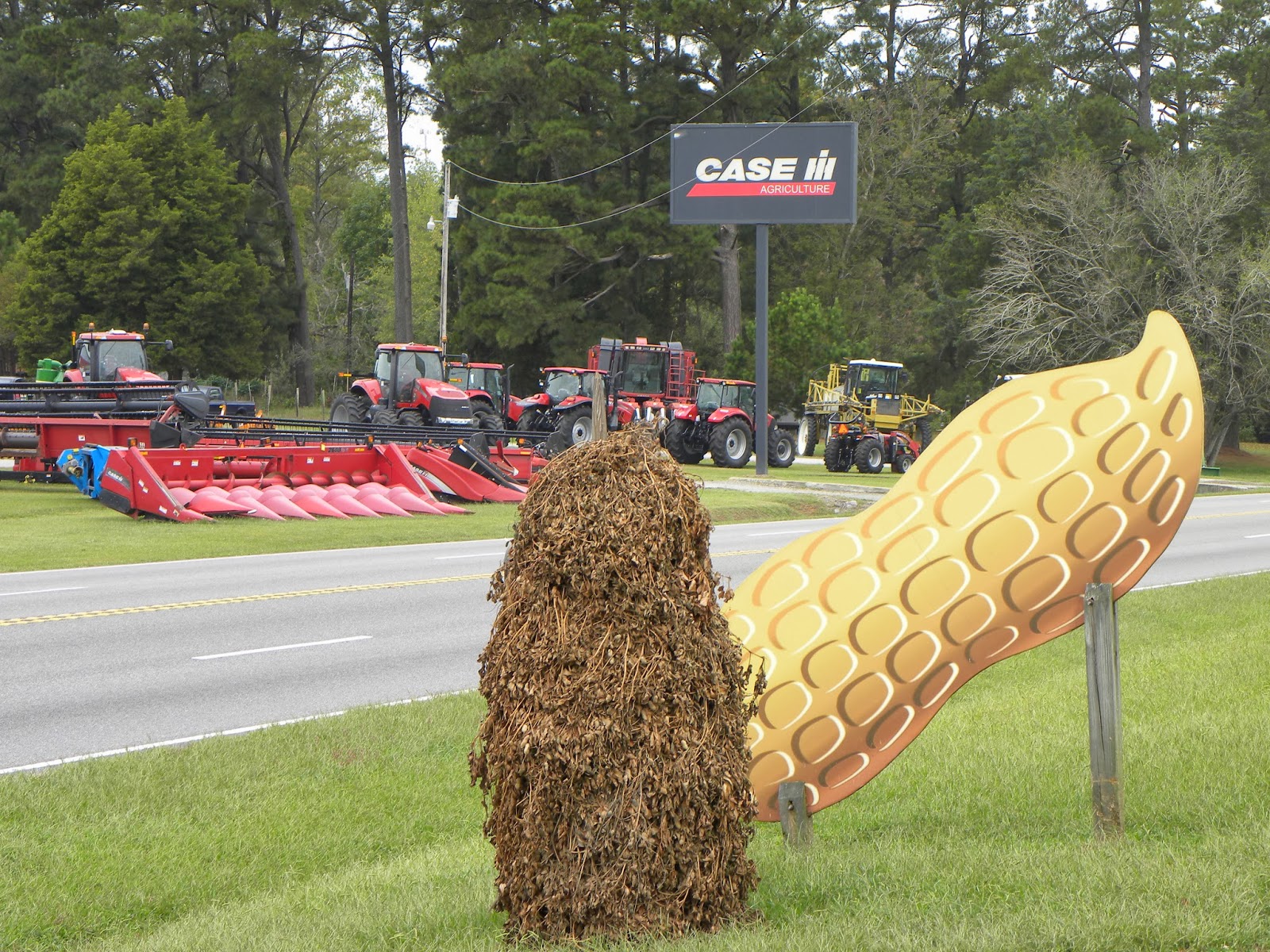
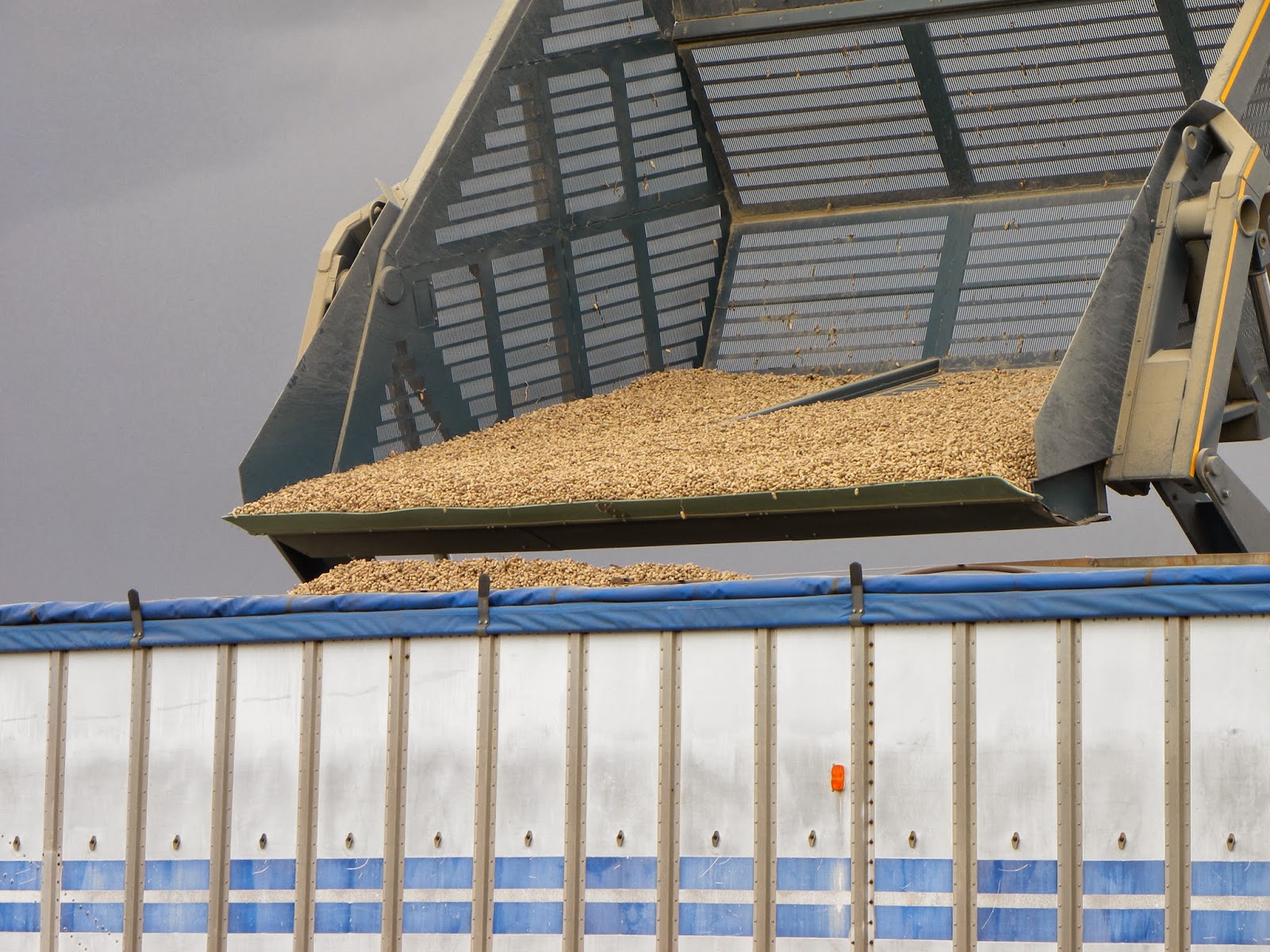
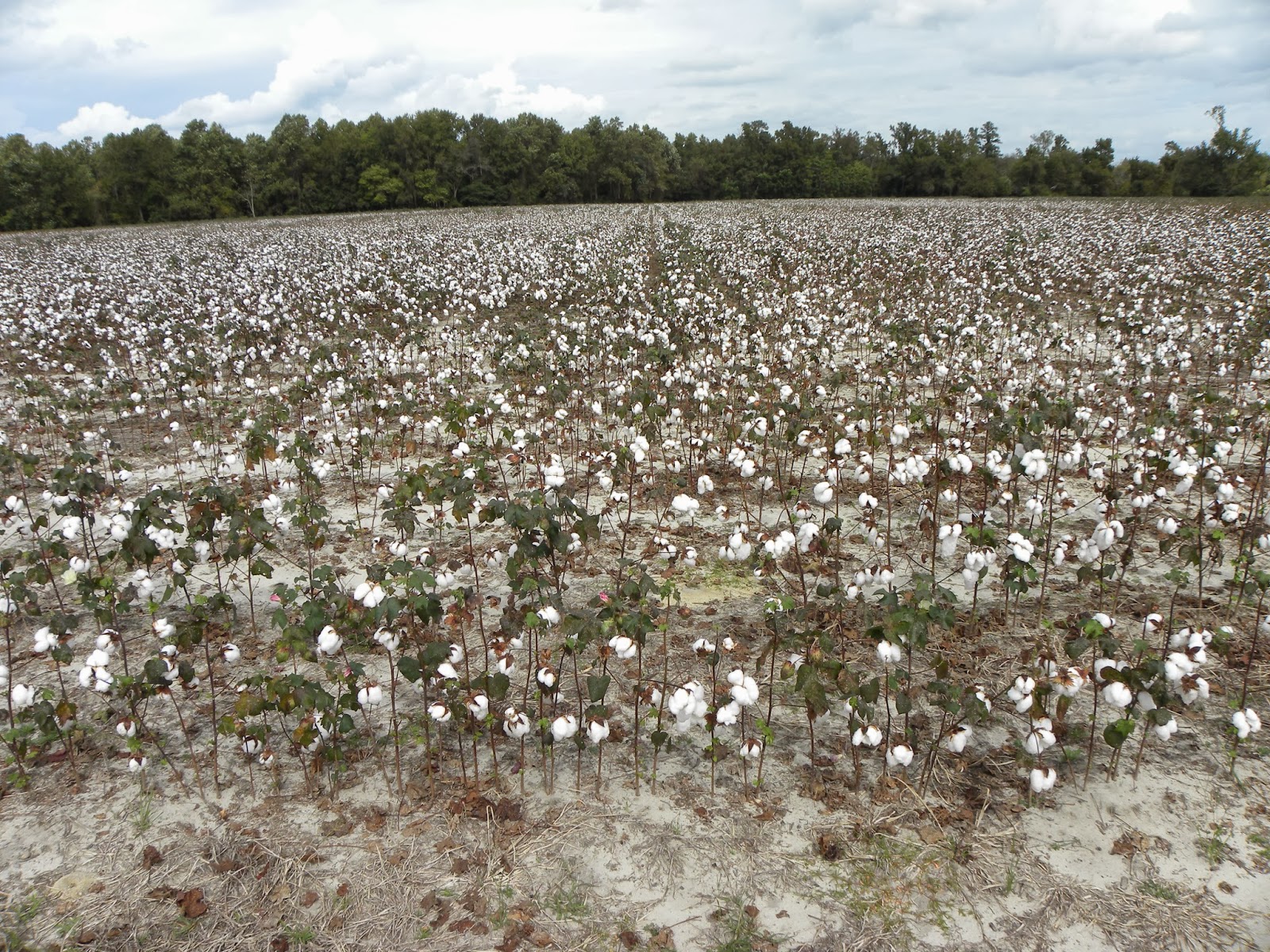
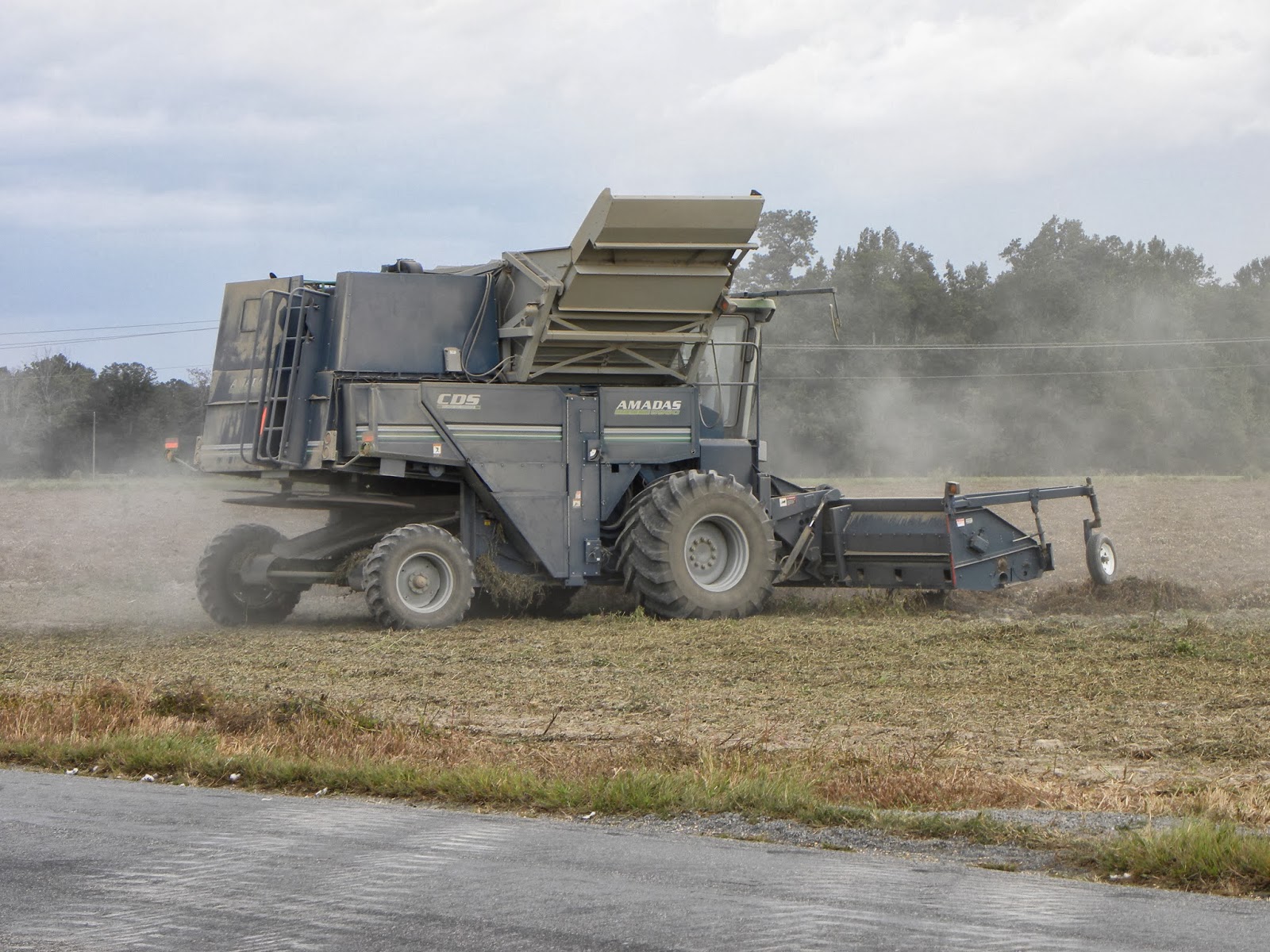
State Announces Crop Expectations: More Corn, Fewer Peanuts
Virginia Oysters See Growth Over Last Decade
Breaking News: Virginia Farm Bureau Federation AgPAC Andorses 88 Candidates for House Seats
Virginia Farm Bureau Federation AgPAC has announced its endorsement of 88 candidates for seats in the Virginia House of Delegates. The endorsements are based on recommendations of local committees of farmers. Endorsed were:
1st District – Terry Kilgore* (R)
2nd District – Mark Dudenhefer* (R)
3rd District – Will Morefield* (R)
4th District – Ben Chafin (R)
5th District – Israel O’Quinn* (R)
6th District – Jonathan McGrady (D)
7th District – Nick Rush* (R)
8th District – Greg Habeeb* (R)
9th District – Charles Poindexter* (R)
10th District – Randy Minchew* (R)
11th District – Onzlee Ware* (D)
12th District – Joseph Yost* (R)
14th District – Danny Marshall* (R)
15th District – Todd Gilbert* (R)
16th District – Les Adams (R)
17th District – Christopher Head* (R)
18th District – Michael Webert* (R)
19th District – Terry L Austin (R)
20th District – Dickie Bell* (R)
21st District – Ron Villanueva* (R)
22nd District – Kathy Byron* (R)
23rd District – Scott Garrett* (R)
24th District – Ben Cline* (R)
25th District – Steve Landes* (R)
26th District – Tony Wilt* (R)
27th District – Roxann Robinson* (R)
28th District – Bill Howell* (R)
30th District – Ed Scott* (R)
32nd District – Tag Greason* (R)
33rd District – Mary Daniel (D)
34th District – Barbara Comstock* (R)
35th District – Mark Keam* (D)
36th District – Ken Plum* (D)
37th District – David Bulova* (D)
40th District – Tim Hugo* (R)
41st District – Eileen Filler-Corn* (D)
42nd District – Dave Albo* (R)
43rd District – Mark Sickles* (D)
50th District – Jackson Miller* (R)
51st District – Rich Anderson* (R)
52nd District – Luke Torian* (D)
53rd District – Marcus Simon (D)
54th District – Bobby Orrock* (R)
55th District – Buddy Fowler (R)
56th District – Peter Farrell* (R)
57th District – David Toscano* (D)
58th District – Rob Bell* (R)
59th District – Matt Fariss* (R)
60th District – James Edmunds* (R)
61st District – Tommy Wright* (R)
62nd District – Riley Ingram* (R)
63rd District – Rosalyn Dance* (D)
64th District – Rick Morris* (R)
65th District – Lee Ware* (R)
66th District – Kirk Cox* (R)
67th District – Jim LeMunyon* (R)
68th District – Manoli Loupassi* (R)
69th District – Betsy Carr* (D)
70th District – Delores McQuinn*(D)
72nd District – Jimmie Massie* (R)
73rd District – John O’Bannon* (R)
74th District – Joe Morrissey* (D)
75th District – Roslyn Tyler* (D)
76th District – Chris Jones* (R)
77th District – Lionell Spruill, Sr* (D)
78th District – James A Leftwich, Jr. (R)
79th District – Johnny Joannou* (D)
80th District – Matthew James* (D)
81st District – Barry Knight* (R)
82nd District – Bill DeSteph (R)
83rd District – Chris Stolle*(R)
84th District – Glenn Davis (R)
85th District – Scott Taylor (R)
86th District – Tom Rust* (R)
87th District – John Bell (D)
88th District – Mark Cole* (R)
89th District – Daun Hester* (D)
90th District – Algie Howell* (D)
91st District – Gordon Helsel* (R)
92nd District – Jeion Ward* (D)
93rd District – Mike Watson* (R)
94th District – David Yancey* (R)
95th District – Mamye BaCote* (D)
96th District – Brenda Pogge* (R)
97th District – Chris Peace* (R)
98th District – Keith Hodges* (R)
99th District – Margaret Ransone* (R)
100th District – Lynwood Lewis* (D)
* indicates incumbent
“Each of these candidates has demonstrated a clear understanding of the needs and challenges farmers are facing and/or have proven their support through their favorable voting records while holding positions in the General Assembly,” said Wayne F. Pryor, chairman of VFBF AgPAC and president of Virginia Farm Bureau. “We believe these candidates will help agriculture and forestry maintain its vitality as the No. 1 industry in Virginia.”
The non-partisan VFBF AgPAC was created by Farm Bureau in 1999 and employs in-kind contributions to support candidates who can best support agriculture ad Farm Bureau issues.