 U.S. Small Business Administration Administrator Jovita Carranza announced today that agricultural businesses are now eligible for SBA’s Economic Injury Disaster Loan (EIDL) and EIDL Advance programs. SBA’s EIDL portal will reopen today as a result of funding authorized by Congress through the Paycheck Protection Program and Healthcare Enhancement Act. The legislation, signed into law by the President one week ago, provided additional funding for farmers and ranchers and certain other agricultural businesses affected by the Coronavirus (COVID-19) pandemic.
Uncategorized
Merchandiser Minute: Short covering rally to end the month for soybeans
Check out this week’s Merchandiser Minute!
Virginia Poultry Production Value Mixed in 2019
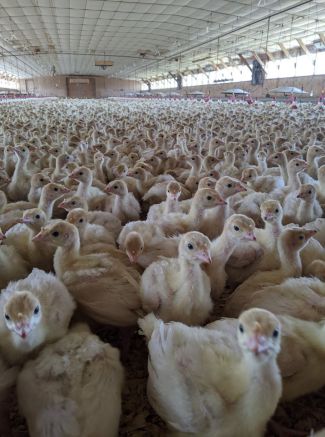 According to the Virginia Field Office of the USDA’s National Agricultural Statistics Service production value of broilers and eggs in the Commonwealth declined in 2019, while turkeys increased.
Virginia broiler value of production in 2019 was $848 million, down 9 percent from $935 million in 2018. The pounds produced was 1.74 billion pounds, an increase of 4 percent from the previous year. The number of head grown increased 1 percent, to 281 million head.
Virginia turkey production totaled 16 million head in 2019, down 3 percent from 16.5 million head raised in 2018. The pounds produced was 446 million pounds, a decrease of 2 percent from the previous year. Value of production in 2019 was $258 million, up 12 percent from $231 million in 2018.
Va. Lavender Farm Donates Products to First Responders
 Constant hand washing can cause dry, painfully chapped skin, and personal protective equipment can chafe health care workers wearing it.
Since the COVID-19 pandemic began, news and social media have shown the physical toll health care workers face while battling the front lines.
One farm near Williamsburg decided to help by donating skincare products to them. “As we began hearing from our friends who are medical professionals that their hands were extremely irritated—even to the point of bleeding—from the excessive hand washing required during this outbreak, we knew that our products would help protect their skin,” said Kerry Messer, whose family owns Sweethaven Lavender.
Merchandiser Minute- April 25, 2020
Check out this week’s Merchandiser Minute.
Joint Statement by SBA Administrator Jovita Carranza and Treasury Secretary Steven T. Mnuchin on the Resumption of the Paycheck Protection Program

Administrator of the U.S. Small Business Administration Jovita Carranza and U.S. Treasury Secretary Steven T. Mnuchin issued the following statement today on the resumption of the Payroll Protection Program (PPP):
“We are pleased that President Trump has signed into law the Paycheck Protection Program and Health Care Enhancement Act, which provides critical additional funding for American workers and small businesses affected by the coronavirus pandemic. We want to thank Leader McConnell, Leader Schumer, Speaker Pelosi, and Leader McCarthy for working with us on a bipartisan basis to ensure that the Paycheck Protection Program is funded so that small businesses can keep hardworking Americans on the payroll.
Advocating for Agriculture: Lobbying 101

Stefanie Kitchen, Asst. Director
This week, Andrew Smith and I participated in a webinar for Farm Credit Knowledge Center on how to be an advocate for agriculture. If you missed the live presentation, you can follow their Facebook page for “Watch It Wednesday”, when it will be available again for viewing. In the meantime, here are some highlights from our presentation.
What is lobbying?
Lobbying is the advocacy of a point of view, either by groups or individuals. Most people think of lobbyists only as paid professionals, but there are also many independent, volunteer lobbyists — all of whom are protected by the same First Amendment. Continue reading
Keep Food Banks in Mind This Season

Andrew Smith, Associate Director
Every April we think of taxes, and this year especially we are thinking about those negatively affected by the COVID-19, as well as what farmers will do with produce they aren’t able to sell during the season. One option is to make donations to the food banks around the state. While it’s a great thing to do for the community, it also may help with next year’s tax bill. During the 2016 General Assembly session, Virginia Farm Bureau supported legislation that created an income tax credit for farmers who make food crop donations to a food bank.
Virginia’s Food Crop Donation Tax Credit is an income tax credit for farmers who make food crop donations to a food bank. The guidelines have been released for the program and can be viewed online here.
New Analysis Shows Farmers Have Reduced Greenhouse Gas Emissions
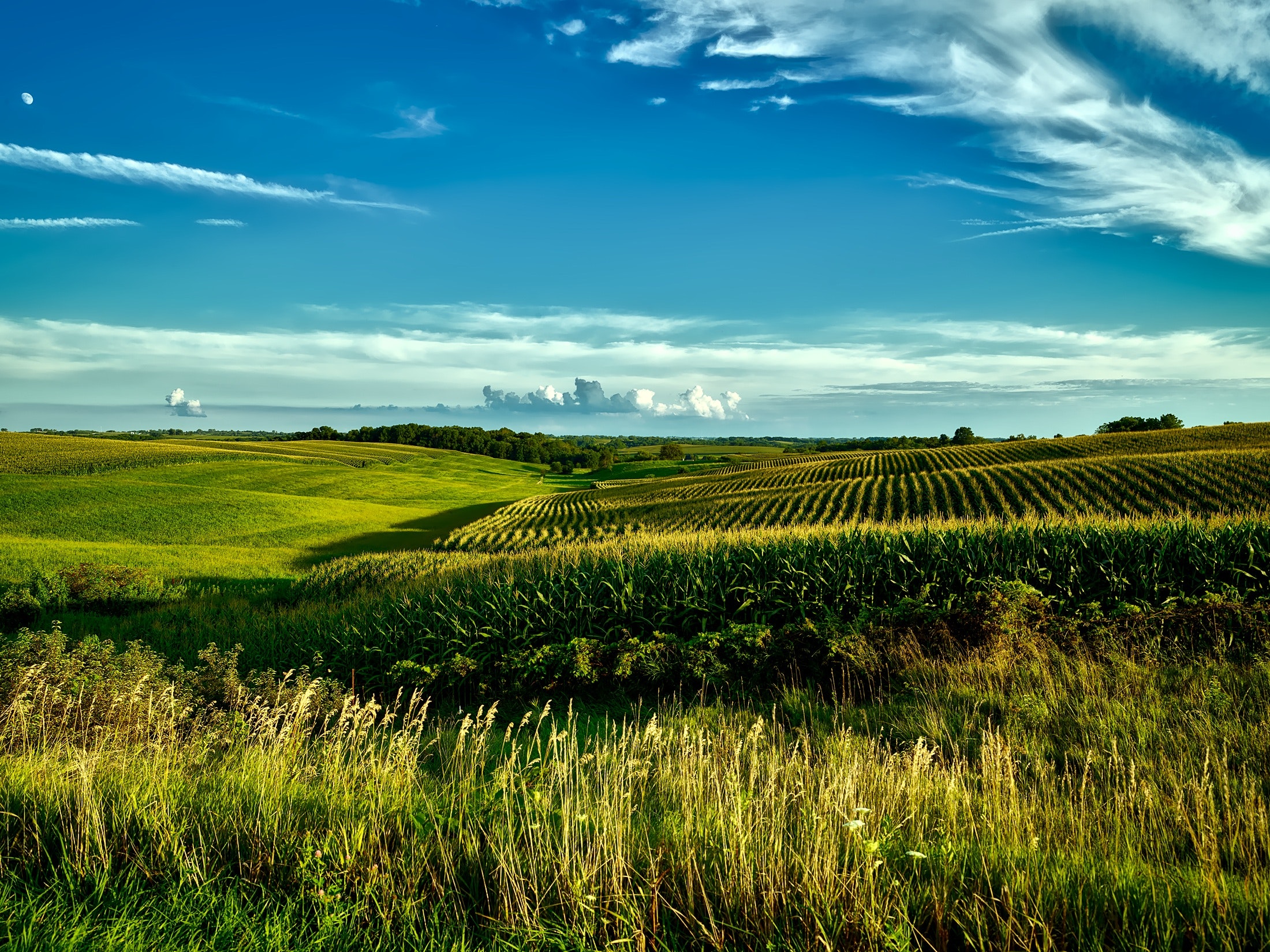 U.S. agriculture is becoming part of the climate-change solution as farmers continue to reduce per-unit greenhouse gas emissions, according to a new analysis from the U.S. Environmental Protection Agency and U.S. Department of Agriculture.
Less than 10% of total U.S. emissions come from the agricultural sector, fewer than the total emissions from the transportation, electrical and industrial sectors. Agriculture’s use of modern technology to raise crops and livestock is helping reduce those emissions.
The Rowe Report: USDA Provides Direct Aid to Farmers Through the Coronavirus Food Assistance Program (CFAP)
Ben Rowe, National Affairs Coordinator
Just shy of a month ago, Congress passed the CARES Act to provide stimulus to the American economy and provide resources for individuals and businesses to weather the pandemic. Billions of dollars in farm aid were included in the package, and USDA was tasked with building out a program to keep farms viable, maintain the integrity of our food supply chain, and ensure every American continues to receive and have access to the food they need.
On April 17, the U.S. Secretary of Agriculture Sonny Perdue announced the new program, titled The Coronavirus Food Assistance Program (CFAP). CFAP will use the funding and authorities provided in the Coronavirus Aid, Relief, and Economic Security Act (CARES), the Families First Coronavirus Response Act (FFCRA), and other USDA existing authorities. The program includes two major elements to achieve these goals: direct support to farmers, and direct purchase and distribution of farm products. Let’s dig into what it provides for producers and consumers.

