 Virginia farmers expect to harvest 11.0 million bushels of winter wheat during 2020 according to the Virginia field office of USDA’s National Agricultural Statistics Service. The expected crop for 2020 would be up 69% from the previous year. The forecast was based on crop conditions as of June 1 and decreased 6% from the May forecast. Growers expect a yield of 61.0 bushels per acre, down 1.0 bushels from 2019 and down 4.0 bushels from May. Farmers seeded 260,000 acres last fall with 180,000 acres to be harvested for grain. Acres for other uses totaled 80,000 acres and will be used as cover crop for tobacco or cut as silage or hay.
As of June 1, winter wheat was rated 4% poor, 29% fair, 63% good, and 4% excellent.
Winter wheat production for the Nation was forecast at 1.27 billion bushels, up 1% from the May 1 forecast and down 3% from 2019. Based on June 1 conditions, the United States yield is forecast at 52.1 bushels per acre, up 0.4 bushels from last month and down 1.5 bushels from last year. The expected area to be harvested for grain or seed totals 24.3 million acres, down slightly from last year.
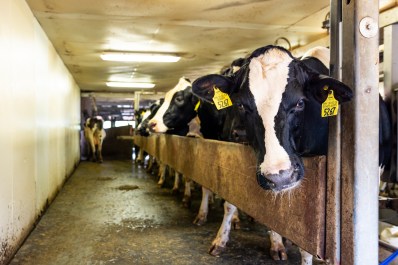 U.S. dairy farmers are facing more than $17 billion in losses tied to the COVID-19 pandemic, but an uptick in prices and flow of federal assistance might offer relief in upcoming months.
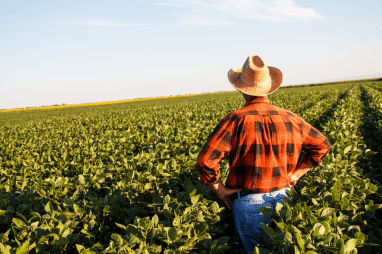 Stressful times can take emotional, mental and physical tolls on farmers.
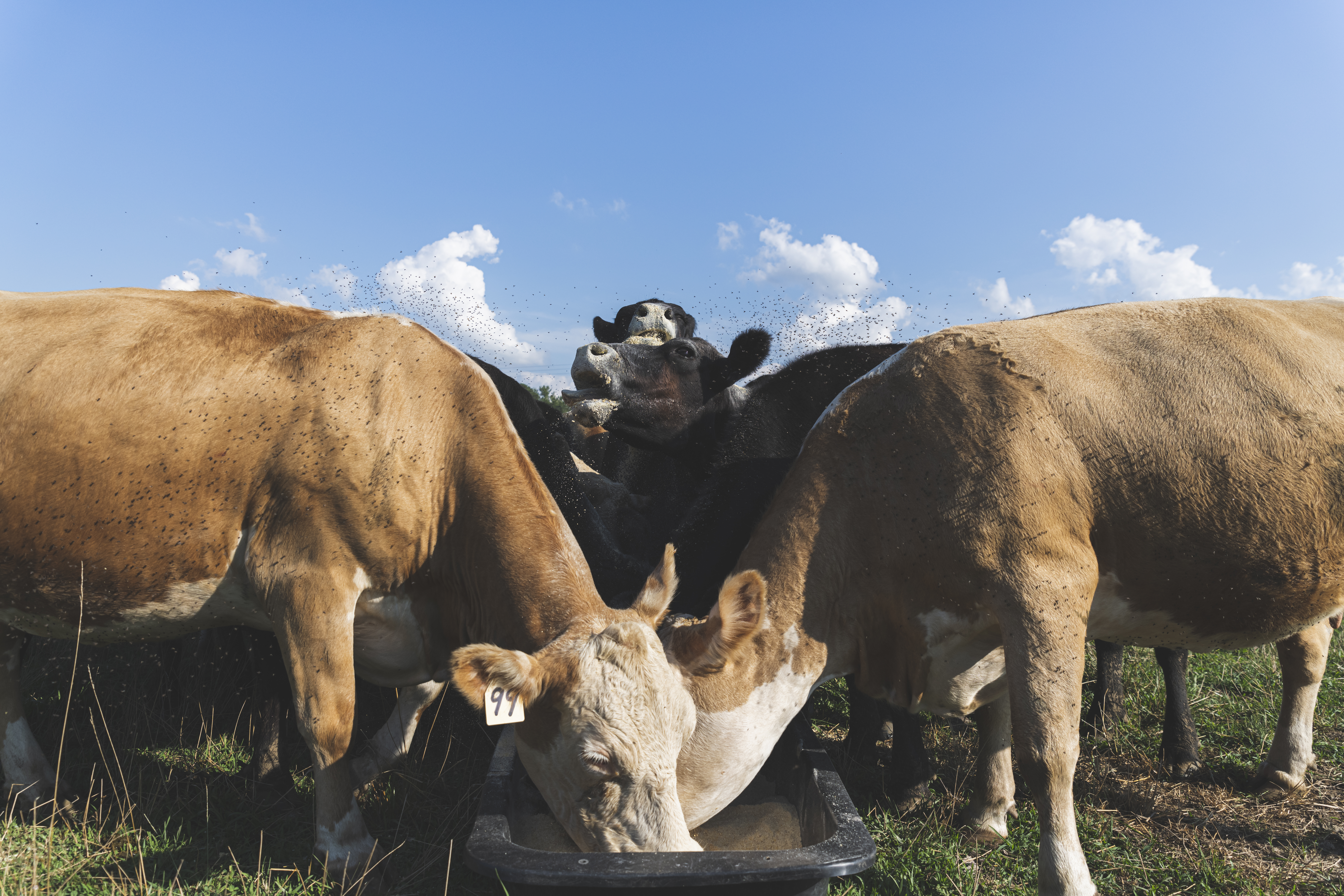 Mitigation measures to control the spread of COVID-19 have disrupted normal livestock marketing channels and supply chains, and economists say it will get worse before it gets better.
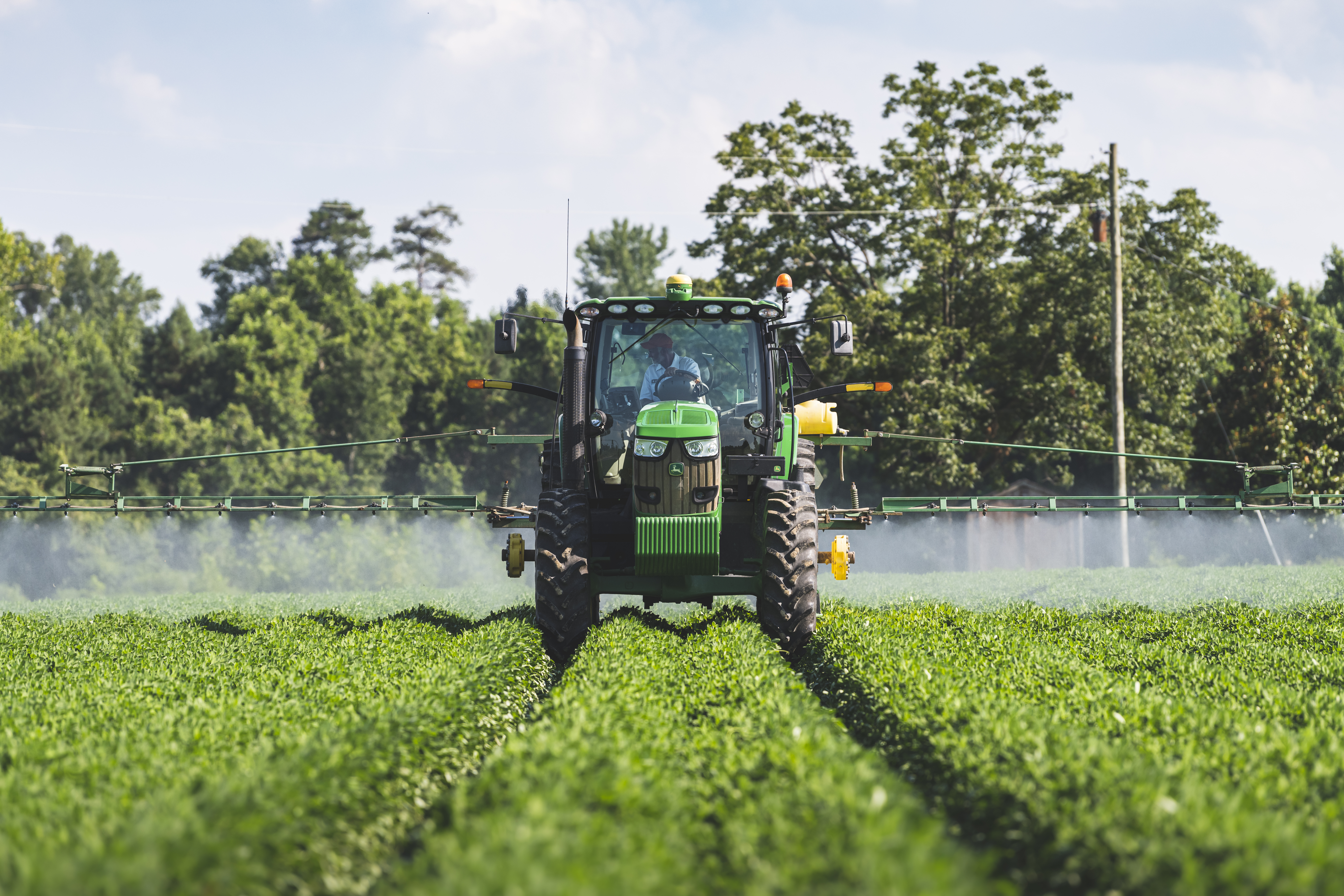 After an unusually cool, wet spring, this week’s summer heat was a welcome change for Southeast Virginia farmers, whose small grains need warmer weather to thrive.
 Jay Yankey typically advertises when he has half and whole beef cattle for sale, but this year he didn’t have to.
 FSA will host CFAP webinars addressing program basics and resources available for producers.
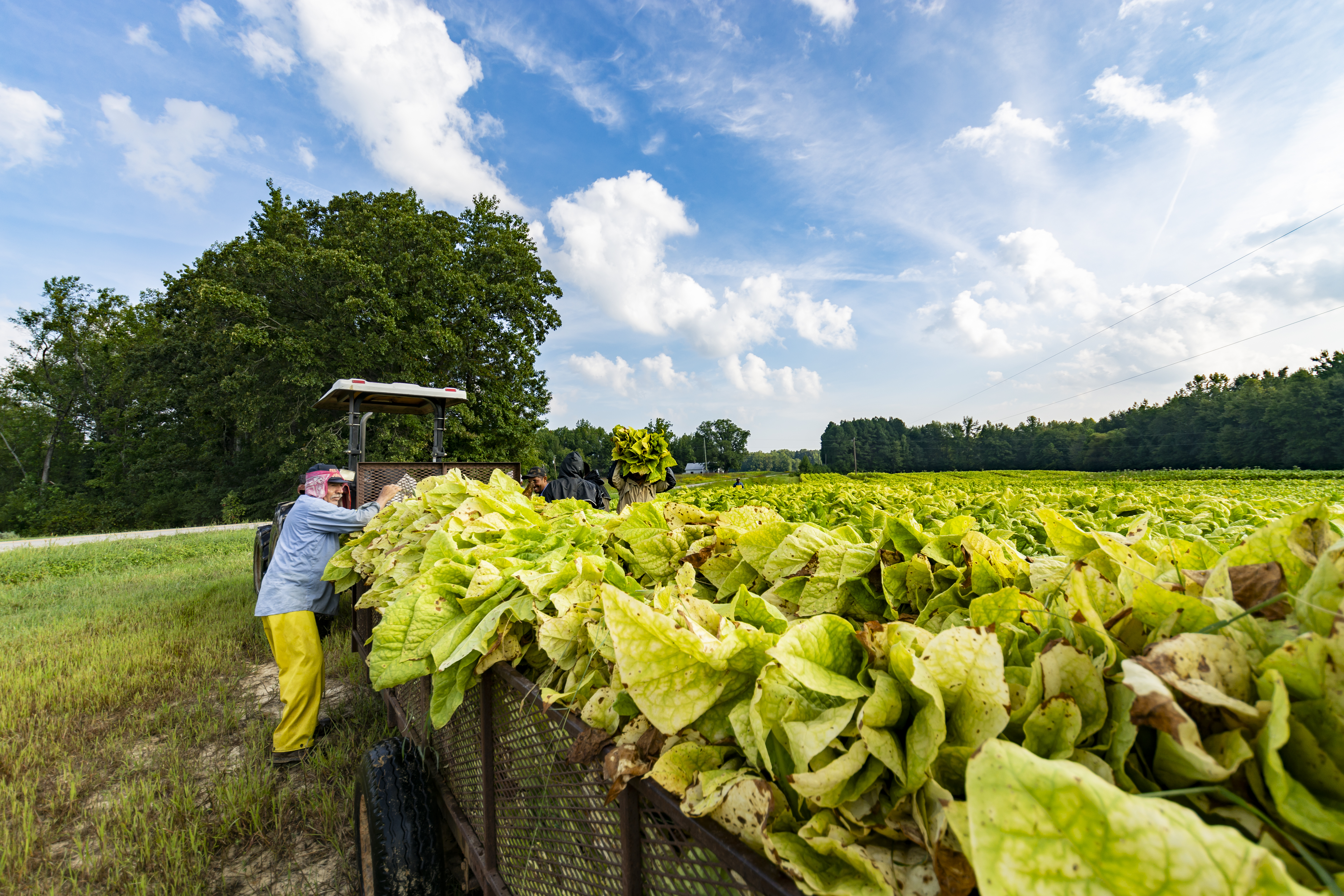 In response to ongoing challenges from COVID-19, CDC & USDA have issued interim guidance for agriculture workers and employers. The newly released guidance states that workers on farms, ranches, and other production agriculture work sites are considered critical infrastructure workers within the food and agriculture sector. The guidance urges all agriculture work sites to follow to the extent feasible, relevant aspects of CDC guidance. Key points are listed below,
