 The 2020 Virginia General Assembly passed legislation renaming the Virginia Department of Game and Inland Fisheries (DGIF) the Virginia Department of Wildlife Resources (DWR). As of July 1, that name change is official. For more information, click here for a message from DWR.
Uncategorized
Merchandiser Minute- June 26, 2020
Check out this week’s Merchandiser Minute!
Bayer Announces Agreements to Resolve Major Legacy Monsanto Litigation
 Company will make a total payment of $10.1 billion to $10.9 billion (€9.1 billion to €9.8 billion) to resolve current and address potential future Roundup™ litigation
- Company also resolves dicamba drift litigation for payment of up to $400 million and most PCB water litigation exposure for payment of approximately $820 million
- Funding sourced from free cash flow and Animal Health divestment
- Bayer is well positioned to deliver science-based solutions to meet global health, nutrition needs
Bayer announced today a series of agreements that will substantially resolve major outstanding Monsanto litigation, including U.S. Roundup™ product liability litigation, dicamba drift litigation and PCB water litigation. The main feature is the U.S. Roundup™ resolution that will bring closure to approximately 75% of the current Roundup™ litigation involving approximately 125,000 filed and unfiled claims overall. The resolved claims include all plaintiff law firms leading the Roundup™ federal multi-district litigation (MDL) or the California bellwether cases, and those representing approximately 95% of the cases currently set for trial, and establish key values and parameters to guide the resolution of the remainder of the claims as negotiations advance. The resolution also puts in place a mechanism to resolve potential future claims efficiently. The company will make a payment of $8.8 billion to $9.6 billion to resolve the current Roundup™ litigation, including an allowance expected to cover unresolved claims, and $1.25 billion to support a separate class agreement to address potential future litigation. The Roundup™ class agreement will be subject to approval by Judge Vince Chhabria of the U.S. District Court for the Northern District of California. The resolutions were approved unanimously by Bayer’s Board of Management and Supervisory Board with input from its Special Litigation Committee. The agreements contain no admission of liability or wrongdoing.
The Evolving Case Against Dicamba
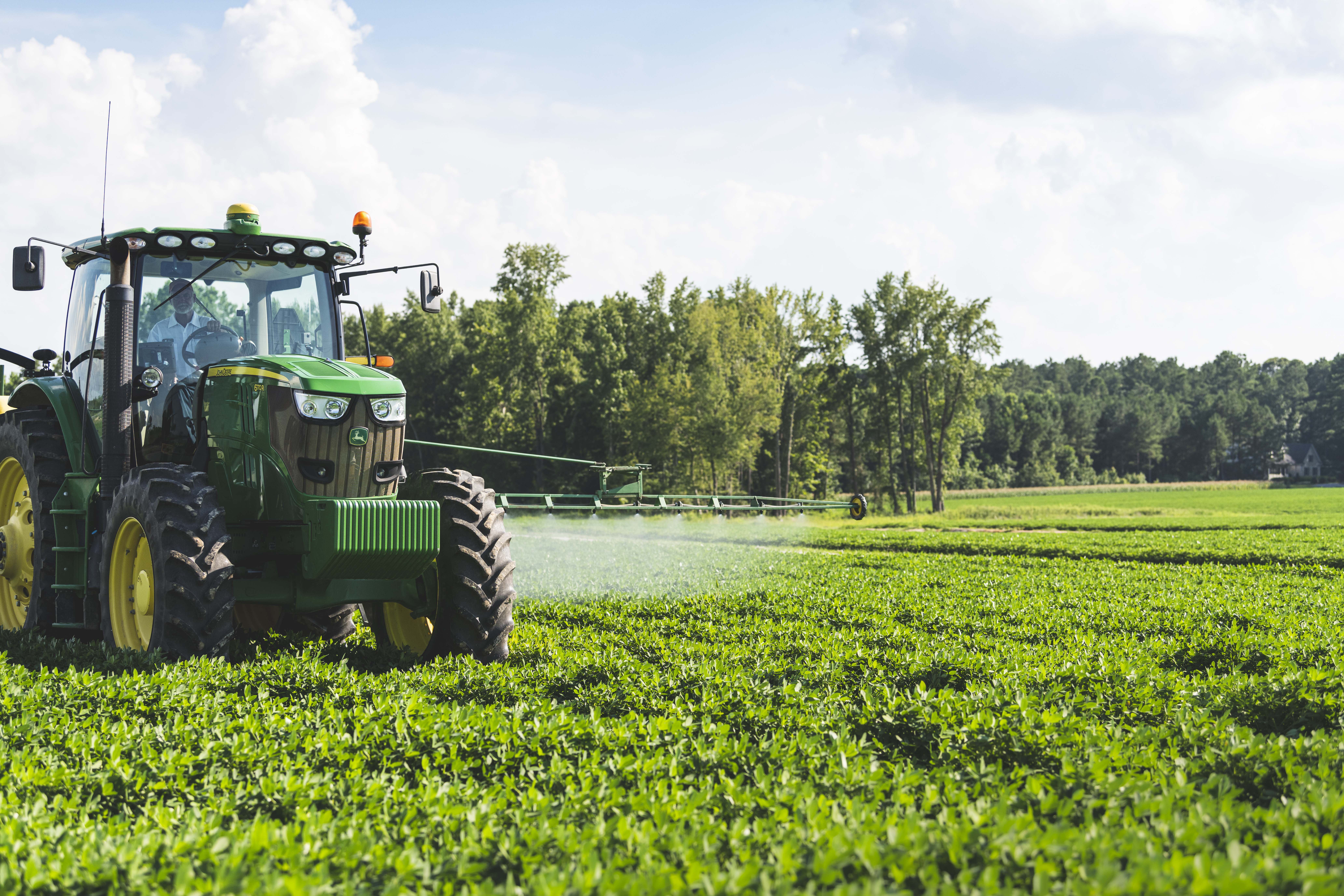 In 2019, a petition was filed in the U.S. Court of Appeals for the Ninth Circuit against the EPA for its decision in 2018 to extend the registration of low-volatility dicamba products, including XtendiMax. The petition was filed by the National Family Farm Coalition, Center for Food Safety, Center for Biological Diversity, and Pesticide Action Network North America. The petitioners requested the court to vacate the current U.S. registrations of certain low-volatility dicamba products, including XtendiMax. The petitioners claim the EPA’s 2018 registration decision was based on insufficient evidence and therefore violated the Federal Insecticide, Fungicide, and Rodenticide Act (FIFRA). In April 2020, the court heard oral arguments on the petition. The EPA defended its science-based registration decision.
Merchandiser Minute- June 19, 2020
Check out this week’s Merchandiser Minute!
VCE to Host CFAP Webinar Thursday
 On Thursday, June 25, Virginia Cooperative Extension is hosting a webinar featuring 5 speakers from USDA Farm Service Agency (FSA) in Richmond. The speakers will provide an overview of the Coronavirus Food Assistance Program (CFAP), information on eligibility and aid available for producers of various crops, and the importance of record keeping.
The webinar will be from 2:30 to 4:00 pm and will include plenty of time for Q&A.
Please register for this meeting in advance by clicking the following link: https://virginiatech.zoom.us/meeting/register/tJEsdu6qqT4qHteoTR1g0d_rdydZYYQrcSu6
After registering, you will receive a confirmation email containing information about joining the meeting.
Speakers and topics include:
Overview – Brent Whitlock
Payment Limitation Eligibility – Emily Horsley
Non-Specialty Crops – Ashlee Dalton
Livestock – Allison Goin
Dairy – Ashlee Dalton
Specialty Crops – Allison Goin
Importance of Maintaining Farm Records – Dan Mertz
Q&A
Major Hemp Processing Facility Locating in Halifax County
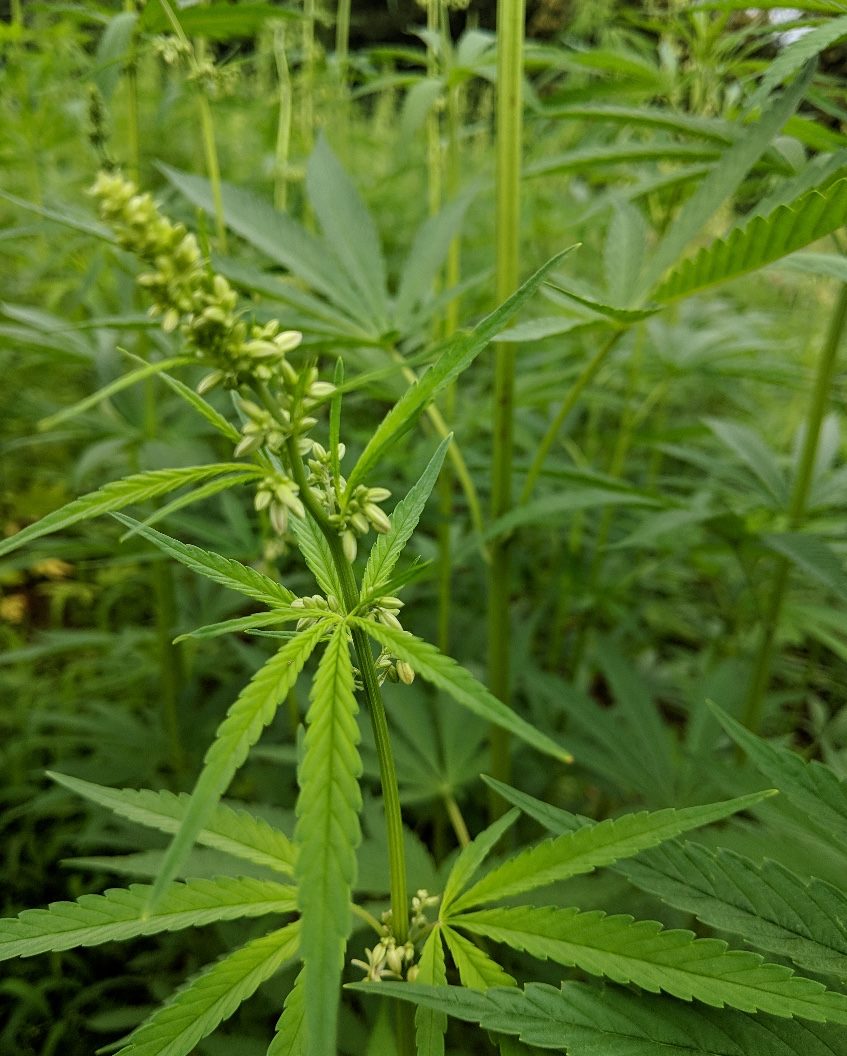 BRD Extraction, LLC, doing business as Blue Ribbon Extraction, will invest $3.26 million to establish Virginia’s first large-scale industrial hemp processing and cannabidiol (CBD) oil extraction facility in the Town of South Boston. The project will create 22 new jobs and the company has committed to sourcing over 90 percent of hemp purchases from Virginia growers, resulting in more than $70 million in payments to Virginia farmers over the next three years. Using state-of-the-art equipment, the company expects to be able to process up to 5,000 pounds of industrial hemp per day, primarily grown by local farmers, most of whom are current or former tobacco farmers.
Americans Support COVID-19 Aid to Farmers; Trust Remains High
 Trust in America’s farmers and ranchers remains high amid the devastating blow delivered by the COVID-19 pandemic. A new American Farm Bureau Federation poll shows 84% of Americans trust the nation’s farmers and the same overwhelming majority support financial assistance from the government for farmers struggling to keep from going under because of the pandemic.
Merchandiser Minute- June 12, 2020
Check out this week’s Merchandiser Minute!
Ninth Circuit Court of Appeals Vacates Dicamba Registrations
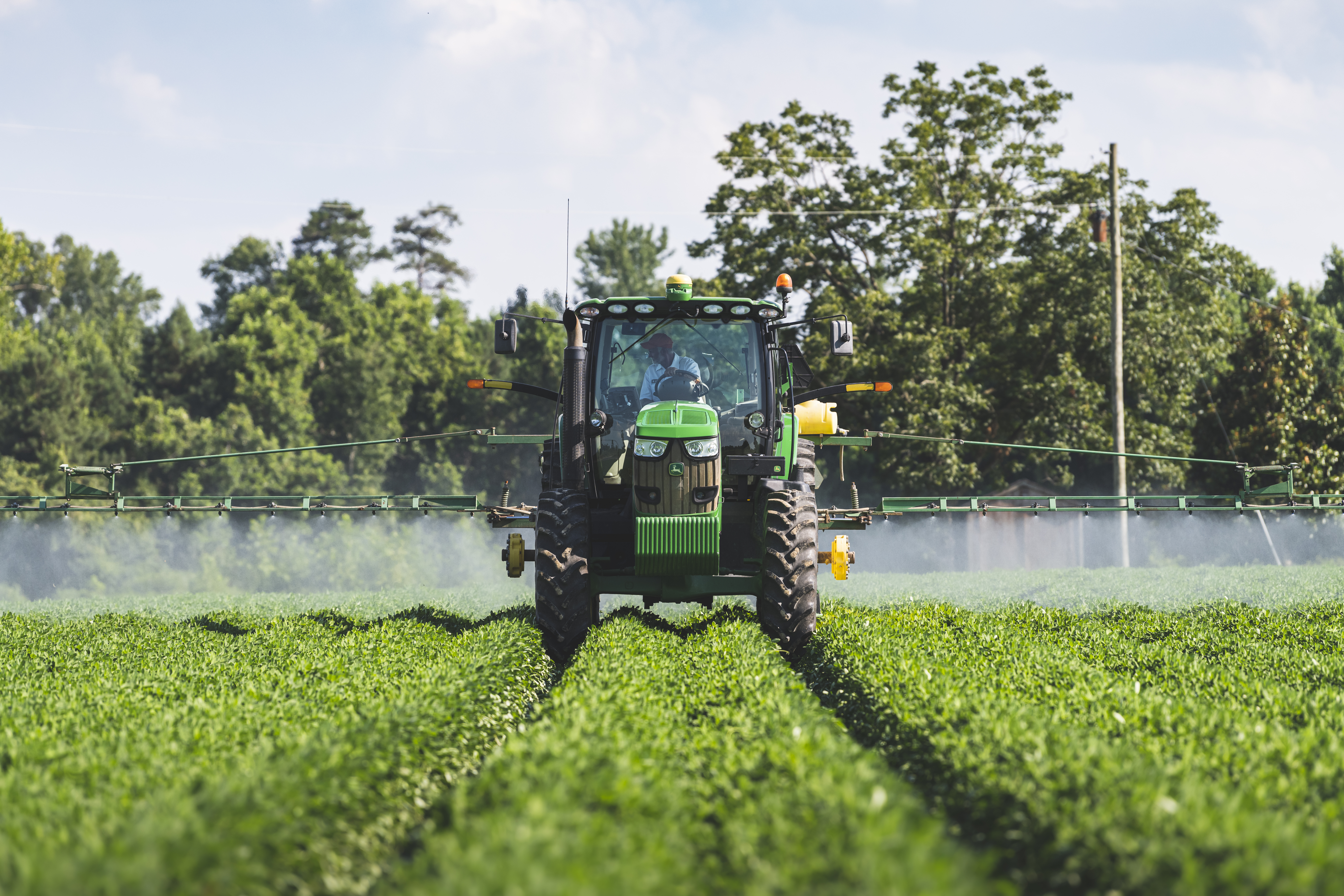 On June 3, the 9th U.S. Circuit Court of Appeals vacated the registrations of three dicamba herbicides—Bayer’s Xtendimax, BASF’s Engenia and Corteva’s FeXapan. The court found that EPA violated FIFRA in its conditional approvals by, among other things, not adequately estimating dicamba damage. The court’s decision does not address Tavium, Syngenta’s dicamba herbicide. In response to the court’s decision, AFBF sent a letter to EPA Administrator Wheeler. The letter notes that many farmers have already made planting decisions to use dicamba-tolerant crop systems and planned to use dicamba products in the very near future. The letter also asks EPA to provide clarity to farmers and issue an existing stock order to ensure this product remains available to farmers throughout this growing season.

