Cattle Pulse: Virginia Verified Beef Goes Live

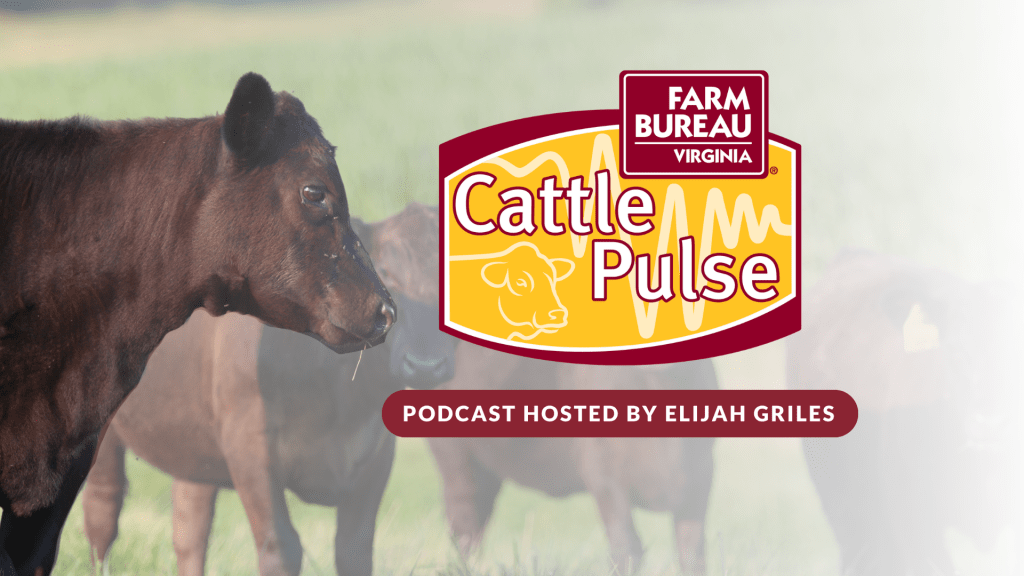
CattlePulse is a monthly update from Virginia Farm Bureau on the Virginia feeder cattle markets, the national trends that affect them and stories of cattle producers across the commonwealth.

In this month’s episode, host Elijah Griles unpacks the factors fueling the feeder cattle futures rally. He also shares positive developments in the battle against the New World Screwworm fly. Plus, Franklin County cattle producer and meat processor Chase Scott shares his motivation to use the new Virginia Verified Beef label.

Want to get in touch? Contact Elijah at 804-290-1713 or elijah.griles@vafb.com.

Listen to the latest episode

Virginia Heifers Heat Up Despite Statewide Freeze CattlePulse

In this month’s episode of CattlePulse, host Elijah Griles unpacks USDA's cattle inventory report, focusing on a significant increase in beef replacement heifers in Virginia. He also details another record month for Virginia feeder steers, despite winter storms cancelling sales.We want to hear from you!Have a question or a topic you'd like us to cover in a future episode? Email Elijah at elijah.griles@vafb.com.
  1. Virginia Heifers Heat Up Despite Statewide Freeze
  2. New Year's Reflections
  3. 'Tis the Season for Seasonal Trends?
  4. Beef Imports & Market Mayhem
  5. Demand vs. Dollars

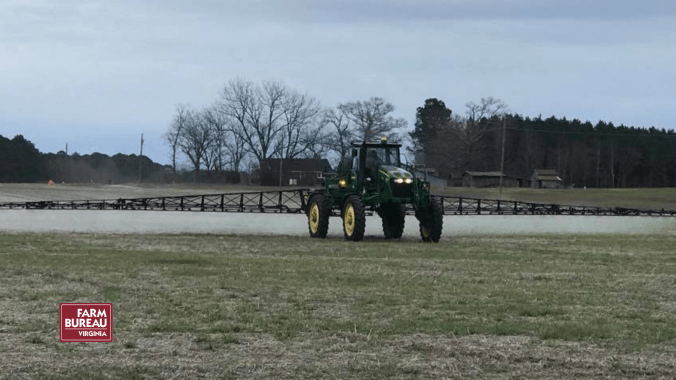
Free Pesticide Disposal Available This Summer in Southeastern Virginia

The Virginia Department of Agriculture and Consumer Services (VDACS) is hosting its 2025 Pesticide Collection Program in Southeastern Virginia, offering farmers, dealers, and homeowners a free and safe way to dispose of unwanted pesticides.

Who Can Participate

The program is open to:

  • Farmers and pesticide dealers
  • Pest control firms and certified applicators
  • Homeowners and golf course operators
  • Anyone with unwanted, outdated, or banned pesticides

Collection Dates and Locations

All collection sites operate from 9 a.m. to 1 p.m.:

August 2025:

  • Aug. 5 – Chesapeake Mosquito Control Commission, 332 Saint Bride’s Rd. E., Chesapeake
  • Aug. 6 – Prince George County Extension, 6380 Scott Memorial Park Rd., Prince George
  • Aug. 7 – Courthouse Convenience Center, 7232 Courtland Farm Rd., Hanover
  • Aug. 19 – Nutrien Ag Solutions, 18432 Wachapreague Rd., Melfa
  • Aug. 20 – Indika Farms Buying Station, 12249 Shiloh Dr., Windsor
  • Aug. 21 – SVCC Truck Driving School, 1112 Courtland Rd., Emporia

September 2025:

  • Sept. 10 – Southampton County Fairgrounds, 25374 New Market Rd., Courtland

What’s Accepted

The program accepts pesticides only. Items NOT accepted include:

  • Motor oil, paint, or fuel
  • Fertilizer (including pesticide-contaminated fertilizer)
  • Other chemicals

How to Participate

Participants must transport their own pesticides to collection sites. For those unable to safely containerize pesticides for transport, VDACS may provide assistance on a case-by-case basis.

Pre-registration recommended: Complete the pesticide collection registration form available at http://www.vdacs.virginia.gov/pdf/pesticide-disposal-registration.pdf and email to marlene.larios@vdacs.virginia.gov or mail to Office of Pesticide Services, VDACS, P.O. Box 1163, Richmond, Virginia 23218.

Program Impact

Since 1997, Virginia’s Pesticide Collection Program has safely collected and destroyed more than 1.9 million pounds of outdated and unwanted pesticides. The program rotates through Virginia’s five regions annually and is funded through pesticide fees collected by VDACS.

Questions?

Contact your local Virginia Cooperative Extension agent or the VDACS Office of Pesticide Services at marlene.larios@vdacs.virginia.gov or 804.371.6561.

For more information, visit www.vdacs.virginia.gov/pesticide-collection.shtml.

$16 Billion in Disaster Relief Now Available for Farmers

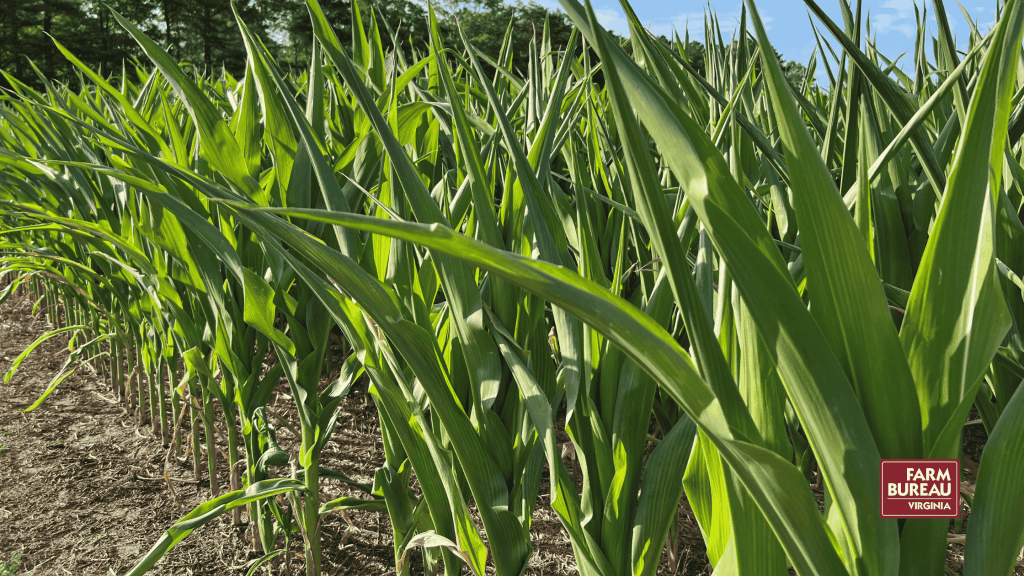
The USDA Farm Service Agency (FSA) is offering the Supplemental Disaster Relief Program (SDRP), providing $16 billion in assistance to agricultural producers who suffered crop losses from natural disasters in 2023 and 2024.

Who Can Apply

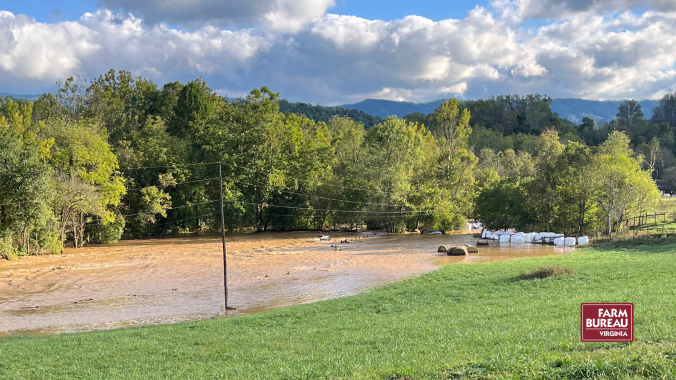
Farmers with eligible crop, tree and vine losses caused by natural disasters including wildfires, hurricanes, floods, tornadoes, winter storms, drought and excessive heat can now apply for Stage One assistance. To qualify, producers must have received payments through crop insurance or the Noninsured Crop Disaster Assistance Program (NAP) during the disaster years.

How to Apply

Applications opened July 10, 2025, at FSA county offices. The USDA has streamlined the process by mailing pre-filled applications to eligible producers on July 9. Farmers need to submit Form FSA-526 along with other required FSA documentation.

Payment Details

Stage One payments are calculated based on coverage levels and existing insurance payouts, with a 35% payment factor applied. Total SDRP payments cannot exceed 90% of losses. If funds remain available, FSA may issue second payments.

Future Requirements

Producers receiving SDRP payments must purchase federal crop insurance or NAP coverage at 60% coverage level or higher for the next two crop years. Failure to maintain coverage requires repayment of SDRP funds plus interest.

What’s Next

Stage Two applications for uncovered losses, including shallow losses and quality losses, will open in early fall. This program is part of $30 billion in total disaster assistance being distributed this year.

The USDA has already distributed over $7.8 billion through the Emergency Commodity Assistance Program and more than $1 billion through the Emergency Livestock Relief Program.

For more information and to access the Disaster Assistance Discovery Tool, visit farmers.gov or contact your local USDA Service Center.

Cattle Pulse: Smart Herds and High Rewards

CattlePulse is a monthly update from Virginia Farm Bureau on the Virginia feeder cattle markets, the national trends that affect them and stories of cattle producers across the commonwealth.

In this month’s episode, host Elijah Griles breaks down the record-setting feeder cattle prices driven by tight national inventories and strong seasonal demand. He also discusses the impact of the New World screwworm fly on U.S. cattle imports and what it could mean for Virginia producers. Plus, Halifax County cow-calf producer Adam Davis shares how he’s using genetic data to improve herd performance.

Want to get in touch? Contact Elijah at 804-290-1713 or elijah.griles@vafb.com.

Listen to the latest episode

Virginia Heifers Heat Up Despite Statewide Freeze CattlePulse

In this month’s episode of CattlePulse, host Elijah Griles unpacks USDA's cattle inventory report, focusing on a significant increase in beef replacement heifers in Virginia. He also details another record month for Virginia feeder steers, despite winter storms cancelling sales.We want to hear from you!Have a question or a topic you'd like us to cover in a future episode? Email Elijah at elijah.griles@vafb.com.
  1. Virginia Heifers Heat Up Despite Statewide Freeze
  2. New Year's Reflections
  3. 'Tis the Season for Seasonal Trends?
  4. Beef Imports & Market Mayhem
  5. Demand vs. Dollars