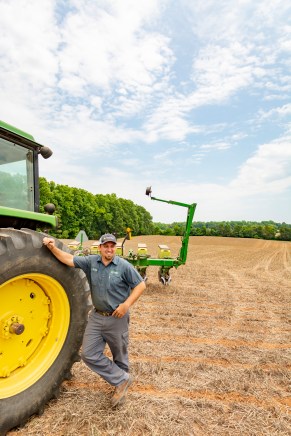
 The U.S. Department of Agriculture (USDA) is standing up a new team of U.S. Department of Agriculture (USDA) staff that will lead a department-wide effort focused on serving beginning farmers and ranchers.
“More than a quarter of producers are beginning farmers,” said USDA Deputy Secretary Stephen Censky. “We need to support the next generation of agricultural producers who we will soon rely upon to grow our nation’s food and fiber.”
To institutionalize support for beginning farmers and ranchers and to build upon prior agency work, the 2018 Farm Bill directed USDA to create a national coordinator position in the agency and state-level coordinators for four of its agencies – Farm Service Agency (FSA), Natural Resources Conservation Service (NRCS), Risk Management Agency (RMA), and Rural Development (RD).
 Farmers and farmers markets trying to come up with solutions to continue to serve their customers while practicing social distancing,
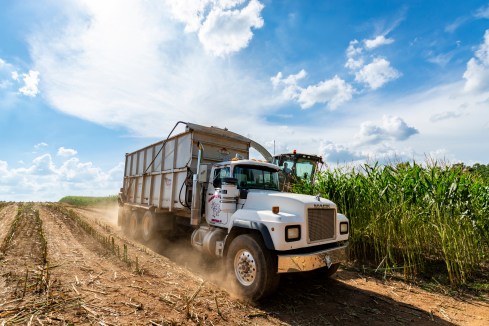 The Virginia Department of Motor Vehicles has authorized a temporary waiver of registration and licensing requirements for carrier, and the Commissioner of Highways authorizes a temporary waiver of normal weight and width restrictions on roads controlled by the Virginia Department of Transportation, for the
 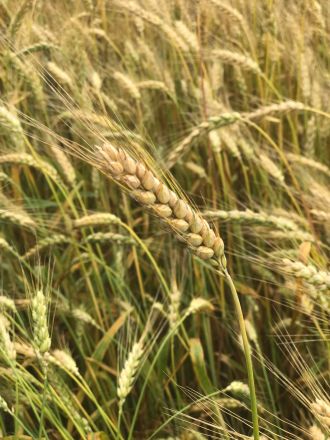 Future farm planning and strategy were themes of the Virginia Grain and Soybean Annual Conference earlier this year.
 Ticks are a nuisance to many, but they can pose a threat to farmers whose livestock are at risk for disease spread by the pests.
 Veterans and active military personnel interested in post-military careers in farming can learn about available resources during a two-day conference in mid-March.
 The U.S. Department of Agriculture can’t predict the future, but it can make an educated guess with data from prospective planting surveys submitted by the nation’s farmers.
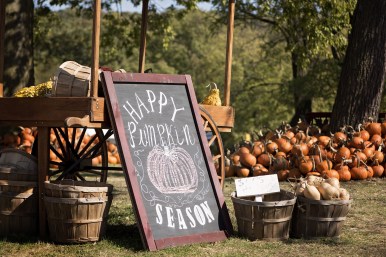 Representatives of Virginia’s leading agricultural organizations will share industry tips and resources during the Virginia Agritourism Conference at the Smithfield Center March 30 through April 1.
 U.S.-planted hemp acreage soared to a 75-year high in 2018, but it hasn’t all been smooth sailing, according to a recent U.S. Department of Agriculture report.
