U.S. Agriculture Groups Urge Action as Trade Relationship with Mexico Declines

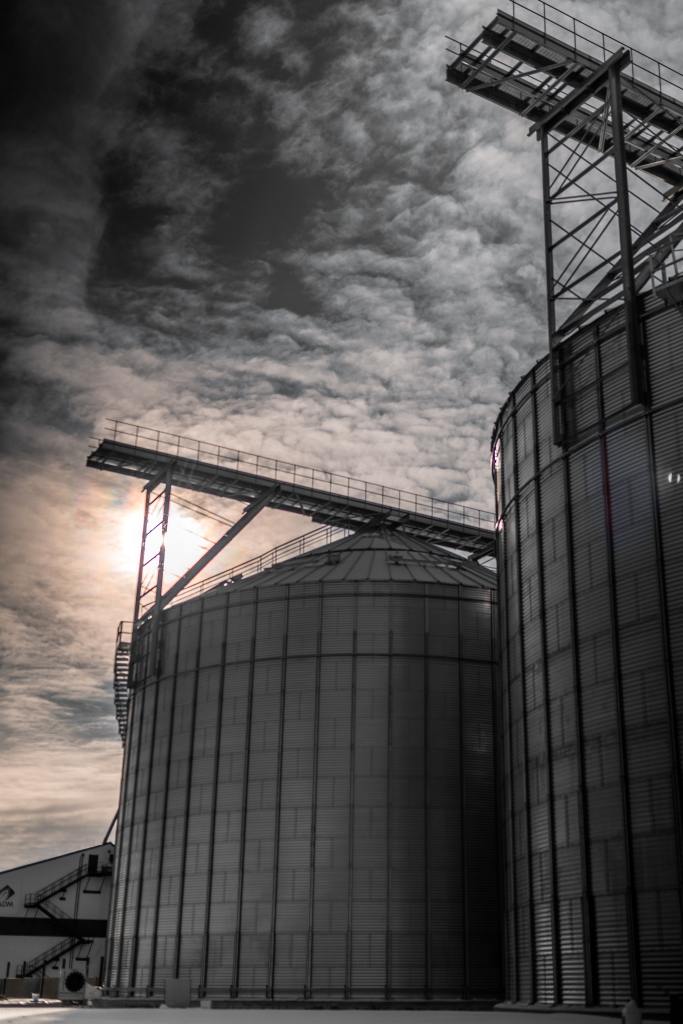
Photo by Hugo Entrepreneur on Pexels.com

A rapid deterioration of the U.S.-Mexico trade relationship is causing alarm within the U.S. agricultural sector, and industry groups are voicing concerns.

Dozens of leading food and agriculture associations, including American Farm Bureau Federation, recently sent a letter to U.S. Secretary of Agriculture Tom Vilsack and U.S. Trade Representative Katherine Tai, urging action to address issues undermining the trade relationship with Mexico.

Among the groups’ concerns are a ban on glyphosate and genetically modified corn; increased obstacles to dairy trade; an organic export certification requirement; a state-sponsored campaign disparaging U.S. corn sweeteners; barriers to new biotechnology applications; meat industry market access implications; a potato export ban; and a new labeling regulation. The letter said these issues, along with a high number of investigations on Mexico’s fresh produce exports to the U.S., hamper domestic competitiveness.

Mexico is within Virginia’s top five markets, as it is for most U.S. states, said Vilsack in remarks at the March 30 Governor’s Conference on Agricultural Trade, an annual event sponsored in part by Virginia Farm Bureau Federation.

Continue reading
Governor Northam Awards $270,000 in Farmland Preservation Grants

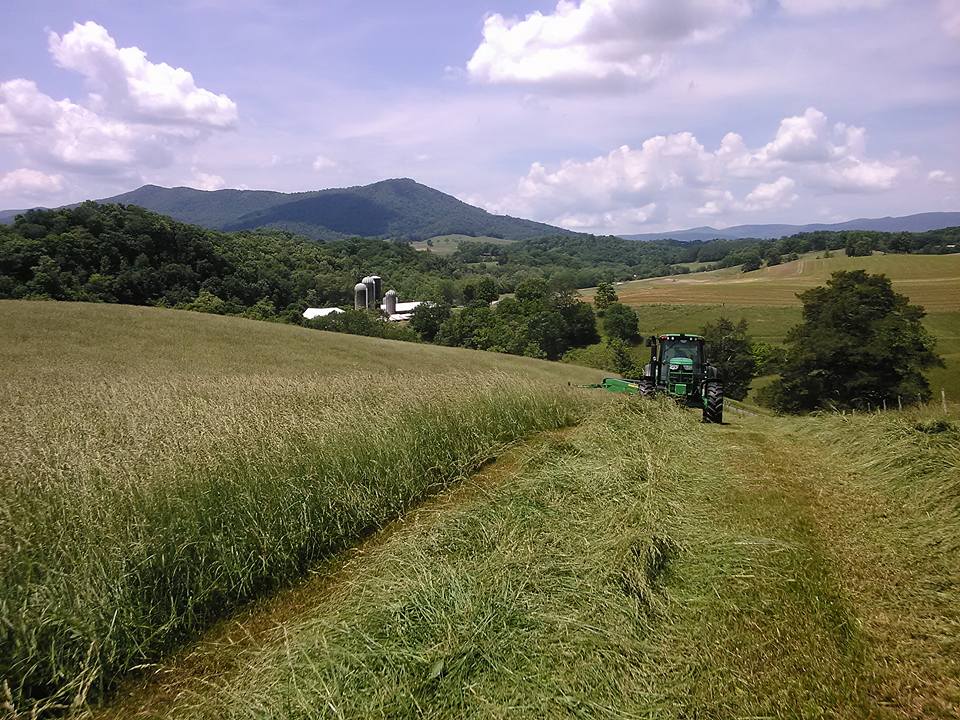
Governor Ralph Northam has announced $270,000 from the Virginia Farmland Preservation Fund will be awarded to five localities, providing critical matching funds to permanently preserve working farmland through local Purchase of Development Rights (PDR) programs. PDR programs empower localities to limit development on priority farm and forestlands and provide an incentive to landowners who voluntarily want to protect their working lands.

“Throughout the COVID-19 pandemic, we have been reminded how important Virginia’s farms are to getting food into our stores and onto our tables,” said Governor Northam.  “In addition to being a vital part of our history, agriculture is central to our growing economy and maintaining the outstanding quality of life we enjoy in our Commonwealth. Partnering with local governments to conserve critical working landscapes and protect our abundant natural resources is key to maximizing the conservation impact of state funds.”

Continue reading

Wildlife Regulation Proposals on Hunting, Trapping, and Possession of Terrestrial Wildlife: Public Comment Period on Proposed Regulation Amendments

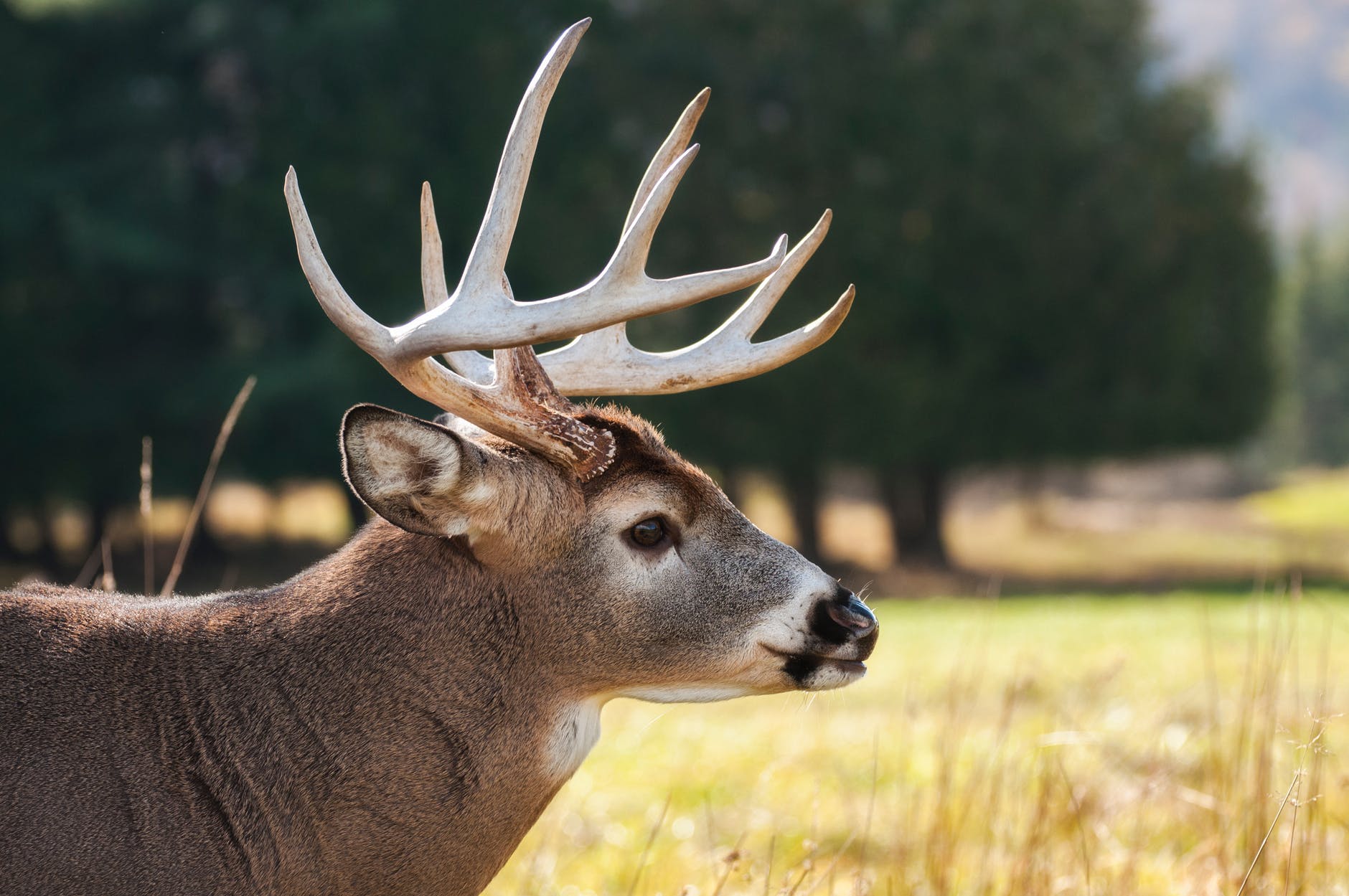
Following a public scoping period where ideas on changes to wildlife regulations were reviewed, the Virginia Board of Wildlife Resources proposed amendments to Virginia’s regulations governing hunting, trapping, and terrestrial wildlife. A public comment period is currently ongoing through May 10, 2021.

After hearing public comment on the proposed amendments at the May 27, 2021 Board meeting, the Board anticipates adopting final regulation amendments that will be effective on August 1, 2021 for the 2021–2022 hunting and trapping seasons. You can read the proposed changes and provide feedback here.

Farm Bureau members can also contact Stefanie Taillon at stefanie.taillon@vafb.com or 804-363-9505 with questions or concerns.

USDA Expands Farmer Eligibility for COVID-19 Assistance

The U.S. Department of Agriculture announced March 24 more than $12 billion in relief funding will be distributed to farmers through the Pandemic Assistance for Producers program.

The initiative will provide $6 billion to establish new programming to assist farmers who didn’t qualify for previous rounds of aid through the Coronavirus Food Assistance Program or similar programs.

USDA also announced it will resume accepting applications for CFAP 2 payments for at least 60 days beginning April 5. Under existing CFAP regulations, more than $6.5 billion will be issued to cattle farmers and producers of eligible flat-rate crops and price trigger commodities.

USDA estimates the new round of payments will reach over 970,000 farmers. More information about commodity eligibility under CFAP 2 can be found on USDA’s CFAP webpage.

“The pandemic affected all of agriculture, but many farmers did not benefit from previous rounds of pandemic-related assistance,” said U.S. Secretary of Agriculture Tom Vilsack. “Our new USDA Pandemic Assistance for Producers initiative will help get financial assistance to a broader set of producers, including to socially disadvantaged communities, small and medium-sized producers, and farmers and producers of less traditional crops.”

Livestock farmers who were enrolled in CFAP 1, and eligible crop producers who already are enrolled in CFAP 2, do not need to reapply for payments. Each group will receive automatic payments through the PAP program.

For more program details, producers should contact their local Farm Service Agency office or visit farmers.gov/pandemic-assistance.

Tony Banks, senior assistant director of agriculture, development and innovation for Virginia Farm Bureau Federation, noted Virginia cattle farmers with approved CFAP applications will receive supplemental payments beginning April 1.

Local row crop farmers, he said, can expect supplemental payments of $20 per acre sometime in April.

“These additional payments are intended to offset cattle and row crop farmers’ continued revenue losses after the first round of CFAP payments concluded in the fall,” Banks said. “For the other programs receiving improved funding from USDA, the intention is to help aid farmers’ production and delivery of specialty crops like fruits and vegetables.”

Governor Announces Goal to Double Virginia’s Farm Exports

Virginia’s largest industry is poised to play a big role in growing America’s brand globally.

Leaders from Virginia’s government, agricultural and economic sectors took part in the March 30 Governor’s Conference on Agricultural Trade to discuss opportunities for enhancing agricultural exports. The 13th annual event was held virtually this year and was sponsored in part by Virginia Farm Bureau Federation.

Gov. Ralph Northam said agricultural leaders will continue to foster new markets for Virginia exports.

“Our goal is aggressive,” he said. “In the next 15 years, we will expand Virginia’s international trade output by nearly 50%. That would put us in the top 20 states for exports by 2035. If we can do that, we’ll add close to $18 billion in annual exports to our current $36 billion generated.”

Northam said he looks forward to increased stability in trade relationships with key partners worldwide.

Agricultural leaders and economists logged in from China to Washington, D.C., including U.S. Agriculture Secretary Tom Vilsack. He outlined how agricultural trade is essential to President Joe Biden’s “Build Back Better” initiative.

Continue reading

US Department Of Labor Launches Initiative Focused on Education, Outreach, Enforcement in Nation’s Agricultural Industry

Throughout the pandemic, farmworkers have remained on the job throughout the nation despite potential exposures to feed Americans and support U.S. exports. As the U.S. Department of Labor recognizes National Farmworker Awareness Week March 25-31, the department’s Wage and Hour Division has launched a nationwide education, outreach and enforcement initiative to ensure workplace protections for these frontline, low-wage workers.

The initiative includes targeted outreach and education efforts to ensure that farmworkers and their advocates understand their rights and that they should contact the division to file a complaint if violations occur. The effort also focuses on educating growers, farm labor contractors, other agricultural employers and industry stakeholders to ensure that they understand their responsibilities, and that the division is available to answer their questions.

“The pandemic has had disproportionate impact on low-wage, essential workers, including the agricultural workers whose work feeds all of us,” said Wage and Hour Division Principal Deputy Administrator Jessica Looman. “National Farmworker Awareness Week honors the vital contributions these workers make and reminds us of the issues they face. The U.S. Department of Labor is committed to ensuring industry employers comply with federal labor laws and that they pay farmworkers all of their hard-earned wages.”

In addition to education and outreach, the initiative’s compliance component seeks to reduce agricultural industry violations through enforcement. In fiscal year 2020, the Wage and Hour Division conducted more than 1,000 investigations in agriculture and found more than $7 million in back wages owed to more than 11,000 workers. In its investigations, the division assessed employers with more than $6 million in civil money penalties.

Continue reading

The Rowe Report: Federal Funding Announcements: PPP Extension, COVID Vaccine Support, Cattle & Row Crop Assistance

Ben Rowe, National Affairs Coordinator

This week we have seen a flurry of activity from the federal government to address both the cause of, and the negative impacts from, the COVID-19 pandemic in the agricultural economy. To address the spread of COVID-19, the Department of Health and Human Services plans to invest nearly $10 billion to expand access to COVID-19 vaccines. To address the ill economic effects of COVID, USDA plans to invest more than $12 billion for the “Pandemic Assistance for Producers” program, which will help farmers who previously did not qualify for COVID-19 aid and expand assistance to farmers who have already received help. Further, Congress has passed legislation to extend the Paycheck Protection Program (PPP) deadline for two months.

Investment to Expand Access to COVID-19 Vaccines

As part of continued efforts to ensure COVID-19 vaccines reach all people and all communities, the U.S. Department of Health and Human Services has planned series of actions to expand access to COVID-19 vaccines to the hardest-hit and highest-risk communities across the country, including rural America. Portions of the $10 billion in funding, will impact rural areas and the agriculture industry in the following ways:

  • $6 Billion Investment in Community Health Centers to Expand Access to Vaccines in Underserved Communities.
    • HHS will invest more than $6 billion to expand COVID-19 vaccinations, testing, and treatment for vulnerable populations; deliver preventive and primary health care services to people at higher risk for COVID-19; and expand health centers’ operational capacity during the pandemic and beyond, including modifying and improving physical infrastructure and adding mobile units.
    • The Health Resources and Services Administration (HRSA), will provide funding starting in April to nearly 1,400 centers across the country. Community Health Centers serve 1 in 5 people living in rural communities.
Continue reading

First Responders Train for Life-Saving Grain Bin Extrication

Grain bins that store loose, dry bulk material like corn can enhance profitability on farms, but they pose a grave danger to farmworkers who access them.

While grain bin entrapments are infrequent, engulfment can happen quickly, requiring emergency rescue. An entrapment occurs when a victim becomes covered in grain beyond the point of self-extrication, while an engulfment is when a person is completely submerged beneath the surface of the grain. Approximately half of grain entrapments lead to engulfment, which is almost always fatal.

In 2019, 38 reported entrapments resulted in 23 deaths in the U.S.—almost twice as many as in 2017, according to Purdue University.

The Henrico Technical Rescue Team and neighboring rescue workers are prepared to respond to these types of emergencies after recent trainings at the Engel Family Farms in Hanover County. Rescue squad members were instructed on how to use an extrication apparatus provided by Virginia Farm Bureau Federation’s Farm Safety Advisory Committee.

This was a rare opportunity for Henrico County’s specialty unit, which is trained for unusual rescue situations like extrications or incidents involving confined spaces. At the farm training, the team entered a grain bin partially filled with dry corn. Once inside, they assembled the Great Wall of Rescue—lightweight panels that aligned to form a tube-shaped wall around an entrapped mannequin. Because it can take up to 900 pounds of force to rescue an engulfed 165-pound victim, a drill-powered auger removes grain from the tube prior to extrication.

The training was led by Lt. Charles Smith of Henrico County Division of Fire, Station 1, who grew up on a farm in Hanover and previously worked for the Engel family.

Continue reading