Governor McDonnell Announces Agriculture and Forestry Industries Development Fund Now Open to Applicants

Governor Bob McDonnell has announced  that guidelines for the newly created Agriculture and Forestry Industries Development (AFID) Fund have been finalized and localities are now able to apply for AFID grants that will enable them to support economic development and job creation efforts. With the release of these guidelines, Virginia, for the first time, has an economic development grant program designed specifically to support agriculture and forestry development projects.

“Agriculture and forestry are Virginia’s largest industries, but we learned that too often economic development projects within these important business sectors didn’t meet the necessary criteria for the Commonwealth’s major incentive programs,” said Governor McDonnell, who has made agriculture and forestry key components of his overall economic development and jobs creation agenda. “That’s an omission that we’ve addressed as the AFID clearly recognizes the sometimes unique aspects of agriculture and forestry projects. We hope this program will encourage local governments to work closely with these important industries to create new jobs and increased economic opportunity in communities throughout the Commonwealth.”

The creation of the AFID was part of Governor McDonnell’s jobs creation and economic development agenda during the 2012 session of the General Assembly. The Governor signed the AFID bill into law on May 9 at Cave View Farm in Weyers Cave. Senator Bill Stanley (R – Glade Hill) and Delegate Steve Landes (R – Augusta) sponsored the AFID legislation, which is funded at $1 million in each year of the biennium. AFID funds are broken into two categories with $750,000 going to large grants to assist local efforts in expanding current or attracting new agriculture and forestry processing/value-added facilities using Virginia grown products and $250,000 dedicated to small grants to assist localities in improving local economic development efforts relating to agribusiness. The guidelines being released today are for applicants seeking an AFID grant for a processing or value-added facility. Guidelines for the assistance to localities will be released later this year.

“The AFID is a powerful new tool in Virginia’s already impressive economic development and jobs creation portfolio of incentive options and will further enhance our ‘best for business’ reputation,” said Lieutenant Governor Bill Bolling. “The fund is particularly important to rural areas, regions of the state where the Governor and I pledged to focus significant attention and job creation efforts after we were elected in 2009. Agriculture and forestry typically are significant economic drivers in rural Virginia, so new investments in these industries will help to build on these region’s existing strengths.”

Under the processing/valued-added guidelines, program funds are now available to local governments and other political subdivisions as one to one matching grants of up to $250,000 to attract economic development prospects involving agriculture and forestry operations to locate or expand in Virginia. In order to qualify, a minimum of 30 percent of the agricultural or forestry products to which the facility is adding value must be grown or produced in the Commonwealth. Grant awards will be determined based on such factors as amount of private capital invested, projected state and local tax revenue generated as a result of capital investment and jobs created, anticipated amount of Virginia-grown product used by the project, projected impact on agricultural and forestal producers, a total return on investment analysis and an analysis of the impact on competing businesses in the area.

“The AFID’s ‘buy local’ provisions will encourage agricultural and forestry operations receiving grant funds to explore all the ways they can source a significant portion of their inputs from within the Commonwealth,” said Todd Haymore, Virginia’s Secretary of Agriculture and Forestry. “In addition to allowing investing companies to utilize and enjoy the benefits of Virginia’s high quality agricultural and forestry products, this provision expands existing markets or opens new ones for Virginia producers, helps preserve working farmland, and encourages investments in our rural communities.”

Businesses interested in an AFID grant should first contact their local economic development professional or other appropriate representative of the political subdivision to discuss the proposed project. If the political subdivision is interested in applying for the grant and providing the required local match, they should contact Stephen Versen, AFID program contact at the Virginia Department of Agriculture and Consumer Services (VDACS) at stephen.versen@vdacs.virginia.gov or 804.786.6911 to discuss the program and share initial project details. AFID Guidelines may be obtained on the VDACS website at http://www.vdacs.virginia.gov/agribusiness/afid.shtml.  Applications will be taken on a rolling basis. The AFID program will be administered by the Secretary of Agriculture and Forestry with assistance from VDACS and Virginia Department of Forestry staff.

Agriculture and forestry are Virginia’s largest industries, with a combined economic impact of $79 billion annually: $55 billion from agriculture and $24 billion from forestry. The industries also provide approximately 500,000 jobs in the Commonwealth according to the Weldon Cooper Center for Public Service at the University of Virginia.
From the Field: Farm Bureau staff and volunteers cover a lot of ground on eminent domain campaign

From the Field is a bi-monthly column written by Mark Campbell, Farm Bureau Field Services Director for the Central District. He writes about Farm Bureau member benefits and County Farm Bureau activities.

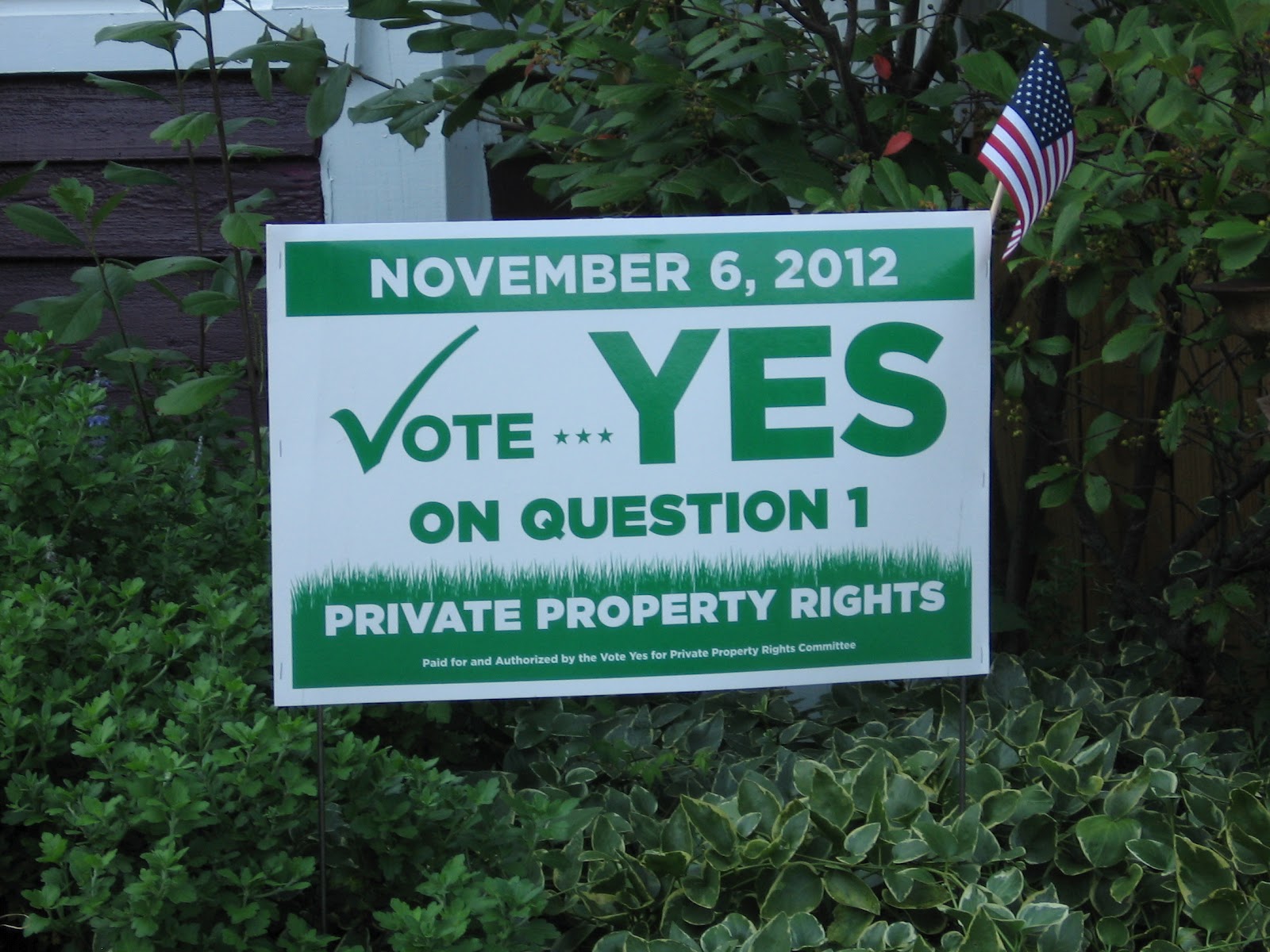
Virginia Farm Bureau’s campaign in support of a constitutional amendment on eminent domain is in full swing mode. Farm Bureau staff and volunteers have been using every opportunity available to inform members, the agriculture community, and general public about the eminent domain constitutional amendment and the importance of voting yes on question 1 on the Nov. 6 ballot. Things really picked up the first of August. The volunteers are pumped up about promoting this.

The Field Services and Governmental Relations staff have been promoting all of the available promotional and educational tools available to county Farm Bureaus, and the county Farm Bureaus have acted quickly in ordering supplies. There are a lot of events happening around the state now, and even more will be taking place going into the fall season. Farm Bureau is utilizing all of these venues to get the message out to the public.

Just to give you an idea of how many people we have reached from August 1-20; I surveyed our Field Staff about events and meetings were the campaign has been presented. The message has reached approximately 5,405 people at events such as county Farm Bureau annual meetings, county fairs, Virginia Ag Expo, field days, and meetings with county supervisors. This is only in three weeks. The message will reach even more people as we approach Election Day.

We have had a clear and concise message that is resonating with people. I am sure that those that have heard about the campaign will tell their friends and neighbors to support it with a Yes vote. The campaign signs arrived in county Farm Bureau offices this month. In some counties, signs have already been distributed to members.

So plan to hear and see more about the eminent domain constitutional amendment, and don’t be shy about spreading the message to your circle of friends and family. Also, don’t hesitate to ask them to join Farm Bureau, an organization that has done a tremendous amount on protecting private property rights.

Until next time,

Mark

Video: Ag and Forestry U.S. Senate Candidates Forum Wrap-Up

In case you missed the Agriculture and Forestry U.S. Senate Candidates Forum last month in Lynchburg with George Allen and Tim Kaine and hosted by the Virginia Farm Bureau Young Farmers Committee, watch the video below.  Thanks to Farm Bureau’s Communications Department for the great footage!

http://c.brightcove.com/services/viewer/federated_f9?isVid=1

New VDIF hearings on feral hogs added

The Virginia Department of Game and Inland Fisheries has added two more dates for their public discussions on feral hogs in Virginia, their impacts, and what other states are now doing to control them in August. They will be held:

Wise County
6:00-7:30 p.m. Wednesday, August 22
US Forest Service office
9416 Coeburn Mountain Road, Wise, VA 24293

Bland County
6:00-7:30 p.m. on Thursday, August 23nd
Bland County Public Library
697 Main Street, Bland, VA 24315

As previously reported, VDGIF is holding another public hearing:

Halifax County
6:30 p.m. Monday, August 20
Scottsburg Vol. Fire Dept.
For more information, contact VDGIF at 434-525-7522

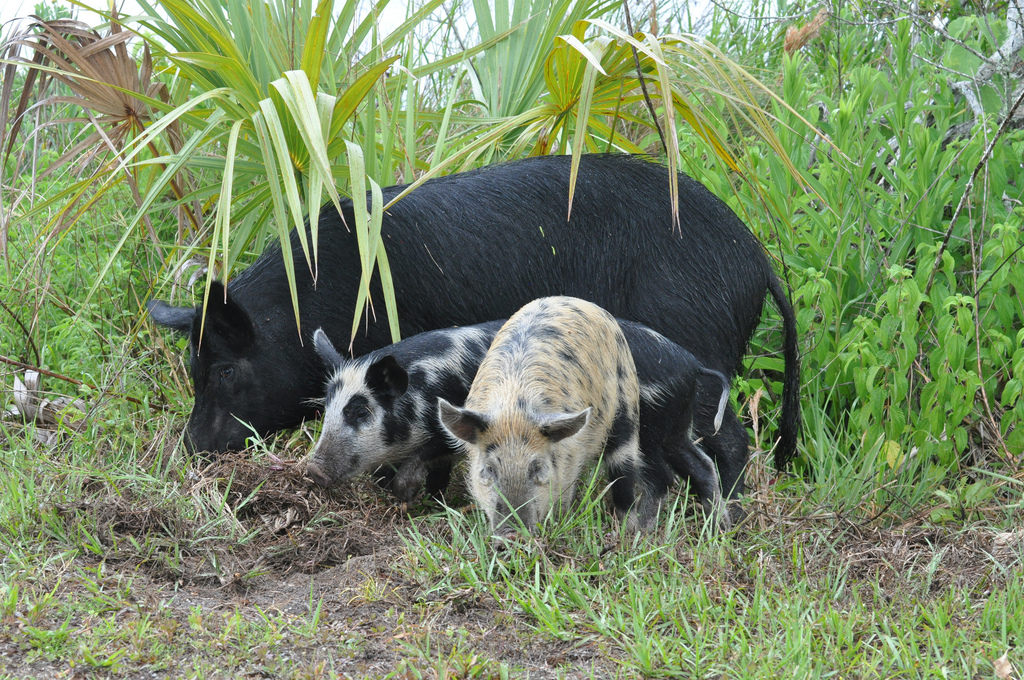
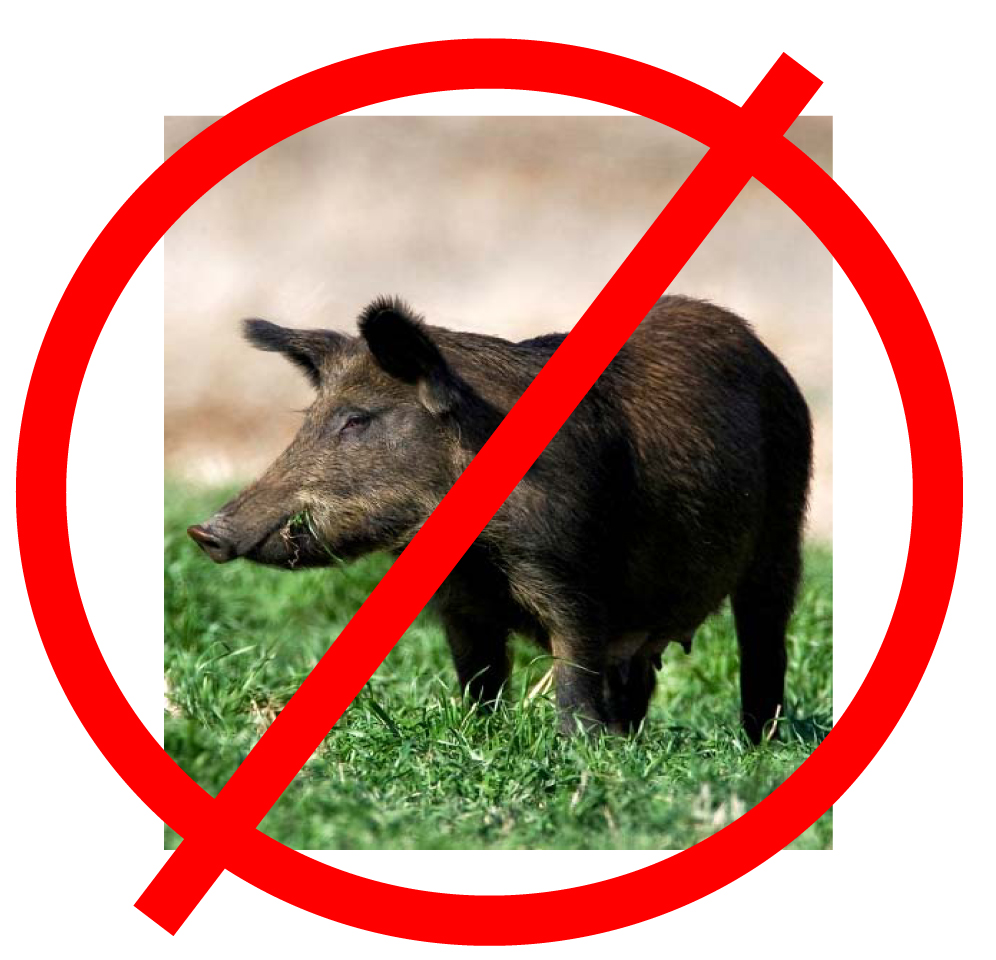
Feral hogs (also called wild hogs) are classified as a nuisance species in Virginia. Any pig that is outside of the property of its owner and cannot be claimed by its owner will be classified as a feral hog. They are an extremely invasive animal and cause damage to habitat wherever they exist. Feral hogs have been found to destroy turkey, grouse, and quail nests. They can also prey on deer fawns, destroy sensitive wetland habitat, and compete with our native wildlife for food resources. Feral hogs carry numerous diseases that can affect wildlife, domestic animals, and humans. The transmission of swine brucellosis and pseudorabies is a major concern to the commercial swine industry domestic animals, and humans. The transmission of swine brucellosis and pseudorabies is a major concern to the commercial swine industry.

Young Farmers and VDACS unveil Farm Seekers program

Have you ever wanted to break into farming, but didn’t have the resources to begin? Or maybe you already have farming experience, but are looking for land to expand your operation? Agriculture remains a diverse and challenging industry, and farmers exist at all different experience levels. As older farmers retire and look to transition their farms, steps must to be taken in order to preserve Virginia’s number one industry. This principle paved the way for the Certified Farm Seekers program.

The Certified Farm Seekers program is a collaboration between Virginia Farm Bureau Young Farmers and Virginia Department of Agriculture and Consumer Services, funded by the Virginia Beginning Farmers and Ranchers Coalition Project. It is a self-guided program that strives to provide individuals seeking farming opportunities with the tools needed to successfully demonstrate their farming commitment and vision to interested landowners. After completion, participants will be expected to produce a resume, business plan, and demonstrate on-farm experience. Five modules are available as resources to assist in accomplishing these goals: Introduction to Whole Farm Planning, Business Management, Land Acquisition and Tenure, Marketing, and On-Farm Experience. This is NOT a course to teach people how to farm, but is designed for all farmers, including beginning, transitioning, and established.

The benefits for beginning farmers are apparent, but as a transitioning or established farmer, you may wonder if you have any need for this program. The answer is a resounding “Yes.” One of the most exciting incentives is elevation in the Virginia Farm Link Database. Farm Link is an online database designed to bring those landowners interested in passing land on to the next generation together with those interested in gaining access to farmland and farming operations in Virginia. Those who are dubbed “certified” will receive special designation in the database, thereby increasing their chances of being contacted by a landowner. Other incentives include a one- time professional business plan review, social/networking opportunities with other farmers/landowners, and possibly cost-share in time with a transition mediator or attorney.

For more information, visit http://www.vdacs.virginia.gov/preservation/seeker.shtml or contact:

Stefanie Kitchen
certifiedfarmseekers@gmail.com
(804) 290-1030

Ron Saacke
ron.saacke@vafb.com
(804) 514-4202

Kevin Schmidt
kevin.schmidt@vdacs.virginia.gov
(804) 786-1346

State Veterinarian Announces Implementation Of New Requirements For Livestock Entering Virginia

According to Dr. Richard Wilkes, State Veterinarian with the Virginia Department of Agriculture and Consumer Services (VDACS), effective August 15, 2012, breeding-age cattle coming into Virginia from other states must be tuberculosis (TB) test negative and properly identified. Imported cattle over 18 months of age without negative TB test results and proper identification will be quarantined until negative TB tests are conducted and official identification have been applied to each animal and submitted to the VDACS’ regional Office of Veterinary Services (OVS). Acceptable TB tests include individual animal testing within 60 days prior to entering Virginia, or an annual whole herd test for cattle originating from TB accredited herds.

On January 18, 2012, updated regulations regarding the health requirements for importing animals into Virginia became effective. Bovine tuberculosis (TB) testing on cattle that do not originate from a TB accredited free herd, as well as official individual identification, are now required on all cattle greater than 18 months of age coming into Virginia. Between January and now, VDACS has been educating cattle producers who import breeding-age cattle of the requirement for a TB test and official identification.

Once the most prevalent infectious disease of cattle and swine in the United States, bovine TB caused more losses among U.S. farm animals in the early part of the 20th century than all other infectious diseases combined. Since 1917, cooperative efforts of the states and USDA have nearly eradicated bovine TB from the nation’s livestock population. This disease’s presence in humans has been reduced as a result of the eradication program, advances in sanitation and hygiene, the discovery of effective drugs and pasteurization of milk.

Although bovine TB has been nearly eradicated, it is at this stage that surveillance and identification of infected cattle becomes most difficult. Within the last several years, TB has been newly diagnosed in at least ten states that were previously considered to be free. In order to continue to keep the disease out of Virginia’s livestock, reliable identification and assurance that imported cattle are TB-negative are essential. It is critical that potentially infected animals from out-of-state be permanently identified so that they will not jeopardize Virginia’s ability to market animals as coming from a TB-free state.
For additional information on the animal import regulations, see vdacs.virginia.gov/animals/adm-cattle.shtml

Got Feral Hogs? VDGIF Sets Public Discussions for August

The Virginia Department of Game and Inland Fisheries is holding public discussions on feral hogs in Virginia, their impacts, and what other states are now doing to control them in August. They will be held:

August 15, 6:30 PM
Germanna Community College,
Locust Grove Campus
For more information, contact VDGIF at 540-295-7590

August 20, 6:30 PM
Halifax County – Scottsburg Vol. Fire Dept.
For more information, contact VDGIF at 434-525-7522

A third meeting is planned in the Southwest region of the state. Date and location to be determined.

Feral hogs (also called wild hogs) are classified as a nuisance species in Virginia. Any pig that is outside of the property of its owner and cannot be claimed by its owner will be classified as a feral hog. They are an extremely invasive animal and cause damage to habitat wherever they exist. Feral hogs have been found to destroy turkey, grouse, and quail nests. They can also prey on deer fawns, destroy sensitive wetland habitat, and compete with our native wildlife for food resources. Feral hogs carry numerous diseases that can affect wildlife, domestic animals, and humans. The transmission of swine brucellosis and pseudorabies is a major concern to the commercial swine industry domestic animals, and humans. The transmission of swine brucellosis and pseudorabies is a major concern to the commercial swine industry.

From the Field: Stepping Up to the Gate

From the Field is a bi-monthly column written by Mark Campbell, Farm Bureau Field Services Director for the Central District. He writes about Farm Bureau member benefits and County Farm Bureau activities.

I recently attended the Young Farmer Summer Expo in Lynchburg during the last weekend in July. The Young Farmer Expos are always filled with great learning and networking opportunities. The Expos are family oriented, and there are usually several small children in attendance.

Seeing the young farmers, ages 18-35, and the young kids, most at age 7 and under, keeps me optimistic about the future of agriculture. This scene that I snapped a picture of really got me thinking about how each generation faces different opportunities and challenges, and what kindles that passion for farming in the youngest among us.

I think all of us in agriculture will admit that there is a passion within us for agriculture. A driving force that is part of who we are. Many people develop that passion for farming early in life. Some have found that love for farming later in life. I think that passion for agriculture is contagious and is modeled to others in our work ethic on the farm and through our caretaking responsibilities over the resources that we manage during our lifetime. I think this is especially true with kids, and this is how they catch the passion for agriculture. The parents love it, so it is interwoven in their lives. Their kids see that they enjoy farming even though there are sometimes challenges and hard times. It usually involves outside activities with nature, which kids love.

Agriculture is a great family business in that all of the family members can be involved. Parents can take their kids to work. There are probably other small businesses where this occurs; but I think it is more predominant in agriculture. This passion for agriculture helps those entering into the agriculture field seek opportunities and tackle challenges.

I am not too far out of the age range of official young farmer status. However, when I give it a little more thought, some of the young farmers are 20 years younger than me. Each generation has opportunities and challenges that are different than the previous generation. Some things stay the same. Agriculture is always a blend of tried and true practices and traditions and new technologies, practices, and methods. Maybe it’s my age, but change seems to be occurring at a more rapid pace than it did several years ago.

Adaptability to change and flexibility in their enterprise are going to be key factors for young farmers’ success. From what I have seen, young farmers are up to the challenge. They can multi task with the best of them. Technology has obviously made that more possible. A big challenge will continue to be the large amount of capital involved in farming, whether you own your farm or rent. When tractors cost over $50,000 and a pot load of steers is $70,000; there is a lot of risk involved.

So what about the young farmers that were at the Expo? Will they be farming the same as my generation? As history shows; it will probably be a blend of the old mixed with the new. What about the boy in the picture? What will his agriculture industry look like? I don’t know. But I am sure that he will step up to the gate and be successful in an industry and lifestyle that he loves.

New Farm Vehicle Exemptions take effect Oct. 1

On July 6, President Obama signed into law H.R. 4348, the Moving Ahead for Progress in the 21st Century Act (MAP-21). Included in the law were several exemptions relating to farm vehicles for farmers and ranchers.

The following regulations and exemptions take effect Oct. 1:

A covered farm vehicle, including the individual operating that vehicle, shall be exempt from the following federal requirements:

• Any requirement related to commercial driver’s licenses;

• Any requirement related to drug testing;

• Any requirement related to medical certificates;

• Any requirement related to hours of service; and

• Any requirement related to vehicle inspection, repair and maintenance.

In addition, federal transportation funding to a state may not be terminated, limited or otherwise interfered with as a result of the state exempting a covered farm vehicle, including the individual operating that vehicle, from any state requirement relating to the operation of that vehicle.

Exemptions do not apply to a covered farm vehicle transporting hazardous materials that require a placard.

A “covered farm vehicle” means a motor vehicle (including an articulated motor vehicle) that is traveling in the state in which it is registered or another state and is operated by:

• A farm owner or operator;

• A ranch owner or operator; or

• And employee or family member of an individual farmer or rancher.

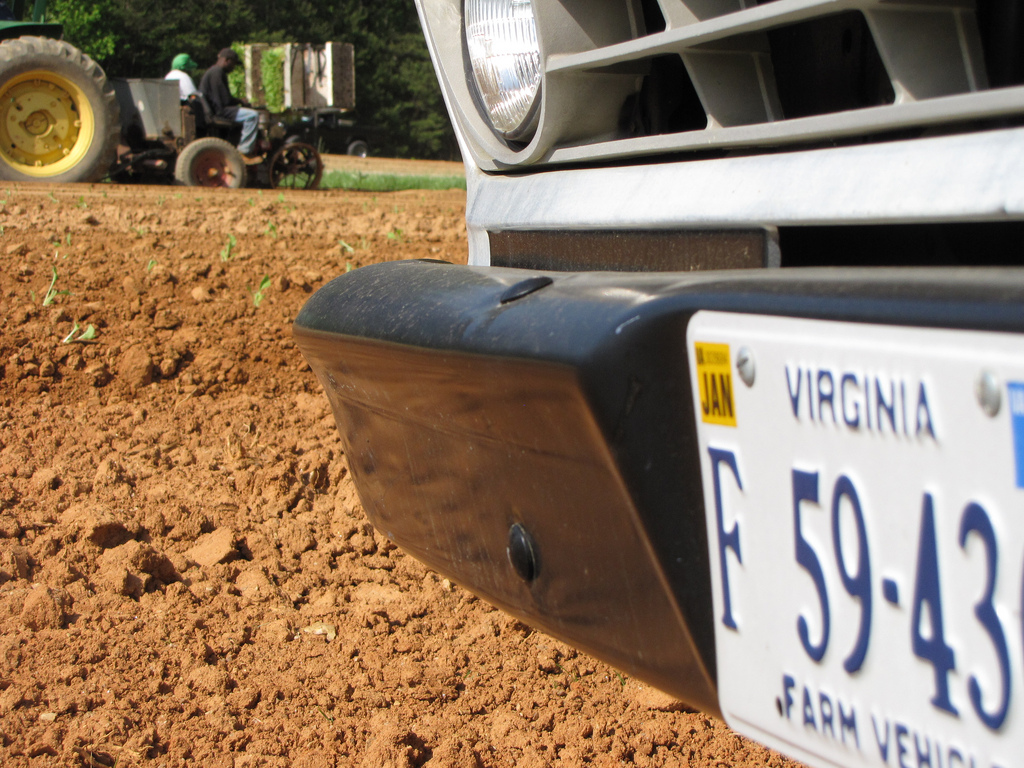
The covered farm vehicle must be equipped with a special license plate or other designation by the state in which the vehicle is registered to allow for identification of the vehicle as a farm vehicle by law enforcement personnel.

The farm vehicle and the individual operating that vehicle are exempt from the above-mentioned requirements if the vehicle is less than 26,001 pounds. If the vehicle is greater than 26,001 pounds, the exemptions apply within the state or within 150 air miles of the farm or ranch.

It should be noted that this legislation does not specifically exempt a farmer or rancher from any state requirements. There are no longer federal requirements relating to the above-mentioned regulations. Additionally, funding from the federal government to a state cannot be withheld if a state chooses to allow exemptions for agriculture.

Included with the farm vehicle exemptions language was a directive to the secretary of transportation to conduct a safety study of the exemptions. Farm Bureau plans to work closely with the Department of Transportation as it conducts the study.

Child Labor Update: Farm Groups Urge House to Preserve Family Farms

The American Farm Bureau Federation and a number of other farm groups have urged the House to vote yes for farm kids and farm families across America by supporting H.R. 4157, the Preserving America’s Family Farms Act. The House will debate and vote on the legislation later today. In a letter to House members, the organizations said that while the safety of all workers remains their number one priority, regulations introduced last year by the Labor Department “took caution beyond recognition.” According to the letter, “The proposed regulations were overly burdensome to agriculture producers and would have limited, if not eliminated, training opportunities for youth in rural America. Fortunately, the administration listened to the concerns of farmers and ranchers by withdrawing the regulation in April. However, the threat to family farms still exists. While we all respect the obligations and responsibilities of DOL to ensure the safety of youth working on farms, we believe that the approaches taken need to be well reasoned and not detrimental to the family farm or the youth participating in farm work,” continued the letter.  H.R. 4157 would protect against these threats by preserving the ability of youth to gain training and education by working on the farm. It also protects an agricultural way of life from future child labor regulations that could limit the ability of youth to learn valuable skills by working on the farm. AFBF continues to work with USDA and other agricultural organizations on agricultural safety programs.

Joining AFBF on the letter were the American Feed Industry Association; the American Horse Council; the American Seed Trade Association; the American Soybean Association; the Florida Fruit & Vegetable Association; the International Association of Fairs and Expositions; the National Association of State Departments of Agriculture; the National Cattlemen’s Beef Association; the National Council of Agricultural Employers; the National Cotton Council; the National FFA Organization; the National Milk Producers Federation; the National Pork Producers Council; the United Fresh Produce Association; and the U.S. Apple Association.