The Department of Conservation and Recreation will convene a Technical Advisory Committee (TAC) again this year to consider and recommend changes to the Virginia Agricultural Cost-Share Program (VACS). Farm Bureau is a member of the full TAC and several of the subcommittees to advocate for changes on behalf of farmers. Please share any suggested changes for the VACS program that we can submit to DCR for consideration using the form below or email Jake Tabor, Virginia Farm Bureau legislative specialist, (jake.tabor@vafb.com) by Wednesday, April 29th.
Governor Abigail Spanberger has announced a $113.9 million investment by the Virginia Poultry Growers Cooperative, Inc. (VPGC) to expand operations in Rockingham County—a project expected to create 146 new jobs and strengthen Virginia’s agricultural economy.
At the center of the multi‑phase expansion is the construction of a state‑of‑the‑art feed mill and grain processing facility, featuring nearly two million cubic feet of storage—the largest feed mill capacity on the East Coast. The investment will allow VPGC to process 4.5 million additional turkeys and purchase 2.4 million more bushels of corn and wheat from Virginia farmers over the next three years.
Additional project components include a new rail spur at the Linville facility, water treatment upgrades at the Hinton facility, increased turkey processing capacity, and expanded opportunities for family farms across the region.
Founded and fully owned by its growers, VPGC returns 100% of its profits to Virginia farmers, keeping agricultural dollars working locally. Since 2004, the cooperative has grown into one of the nation’s leading commercial turkey processors, known for antibiotic‑free and organic products supplied to domestic and global markets.
The project was supported through a public‑private partnership involving state, regional, and local organizations. Governor Spanberger approved $2.25 million in grants, including performance‑based and agriculture‑focused funding, as well as rail infrastructure support.
This historic investment underscores agriculture’s role as a powerful economic driver—creating jobs, strengthening farm viability, and supporting long‑term growth in rural Virginia.
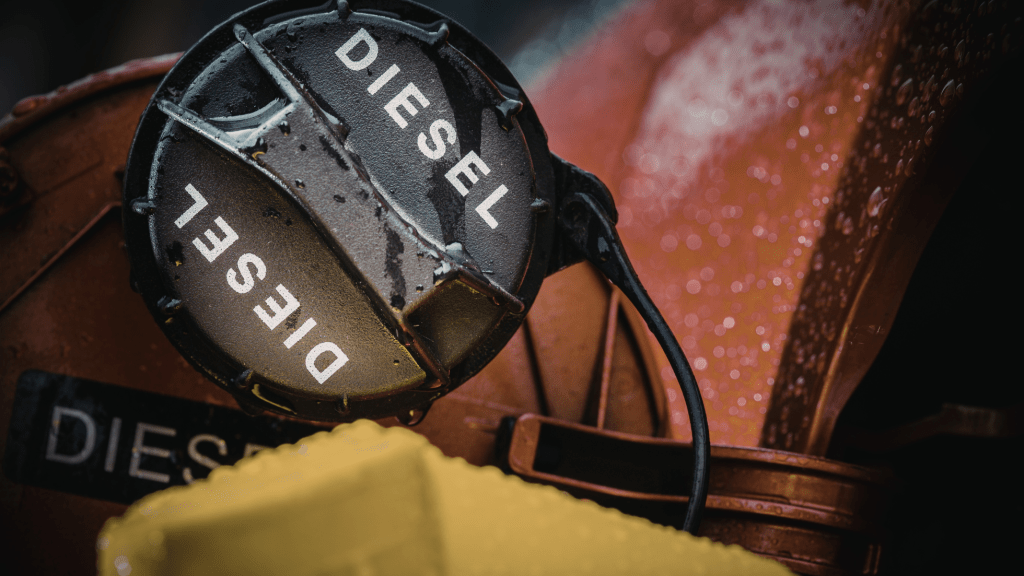
On March 27, 2026, the U.S. Environmental Protection Agency (EPA) announced new federal guidance aimed at addressing widespread Diesel Exhaust Fluid (DEF) system failures impacting farmers, truckers, and other diesel equipment operators across the country. The announcement was made during the White House Great American Agriculture Celebration and represents the latest step by the EPA to respond to long‑standing operational and safety concerns tied to DEF systems.
What Are DEF Systems—and Why Have They Been a Problem?
Diesel Exhaust Fluid systems are a core component of modern diesel engines, designed to reduce nitrogen oxide (NOx) emissions through selective catalytic reduction. While effective for emissions compliance, DEF systems—particularly DEF quality sensors—have been linked to frequent malfunctions.
Operators have reported that faulty sensors can cause unexpected power reductions, speed limitations, or complete shutdowns, even when the engine is otherwise functional. These failures have led to safety risks, lost productivity, missed planting or harvest windows, and costly repairs for farmers and transportation operators nationwide.
What the New EPA Guidance Does
Under the new guidance, the EPA removes the federal requirement for DEF quality sensors on diesel equipment. Manufacturers may now rely on NOx sensors as an alternative compliance pathway for meeting emissions standards.
According to the EPA, eliminating the DEF sensor requirement provides immediate flexibility to manufacturers and relief to equipment operators, while still maintaining emissions compliance through other monitoring systems.
Economic Impact and Industry Relief
The EPA estimates substantial cost savings as a result of the updated guidance:
$4.4 billion annually in savings for farmers, according to the U.S. Small Business Administration
$13.79 billion in total annual savings nationwide, driven by reduced repair costs and less downtime from equipment failures
Industry groups and equipment operators have welcomed the change, noting that DEF sensor failures represented a major source of warranty claims and operational interruptions, particularly during critical work periods.
Additional Actions Underway
The March 27 guidance follows earlier EPA actions to address DEF-related problems:
In August 2025, EPA encouraged manufacturers to revise DEF software to reduce sudden derating events.
In February 2026, EPA demanded detailed failure data from 14 major manufacturers representing more than 80% of DEF system components on the market.
The agency has also reaffirmed equipment operators’ Right to Repair, including repairs related to DEF systems.
The EPA has indicated that further regulatory proposals may follow, including potential rulemaking to address DEF-related deratements in newly manufactured engines.
What This Means for Farmers and Diesel Operators
For producers, truckers, and equipment owners, this guidance may:
Reduce unexpected equipment shutdowns
Lower repair and maintenance costs
Increase operational reliability during peak seasons
Offer manufacturers greater flexibility in compliance design
Operators should note that this guidance applies to federal emissions requirements and does not eliminate all emissions controls—rather, it allows alternate compliance mechanisms that may be more reliable in real‑world conditions.
Looking Ahead
The EPA’s action signals a shift toward balancing emissions compliance with practical reliability concerns raised by the agricultural and transportation communities. As additional data is reviewed and further rulemaking is considered, equipment owners and manufacturers are encouraged to stay informed of ongoing regulatory updates.


 Plows and Politics