Authored by Dr. Frank Mitloehner, professor and air-quality specialist at the University of California-Davis, the paper identifies energy production and cars, not cows, as the largest U.S. contributors of greenhouse gases that are believed to drive climate change.
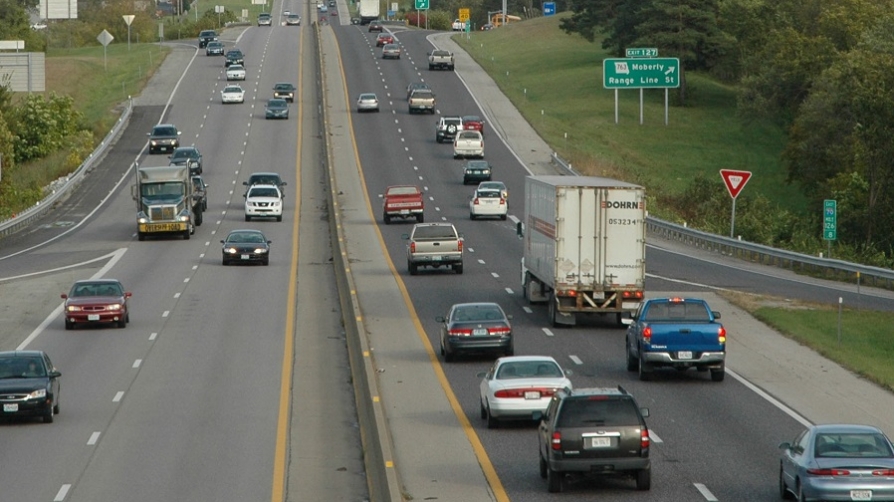
Mitloehner’s paper is a response to claims that livestock production is to blame for the lion’s share of U.S. contributions to total GHG emissions. The paper reveals that the U.S. livestock sector contributes 4 percent of greenhouse gas emissions, compared to 27 percent from the transportation sector and 31 percent from the energy sector.
Mitloehner does not underestimate the need to control livestock emissions, but he does point out that, in the past six decades, “the U.S. livestock sector has shown considerable progress to continually reduce its environmental footprint.”
In fact, since the 1950s the carbon footprint of the U.S. beef and dairy sector has continued to shrink as production increased or stayed the same.
A progress report comparing beef production from 1977 to 2007 found that industry’s carbon footprint was reduced by 16 percent over the past 30 years.
“The U.S. livestock farms have the lowest carbon footprint per unit of livestock product produced compared to livestock farms in other countries,” Banks said. “U.S. livestock farms employ technology and improved genetics and management that improve the production efficiency; in turn that reduces environmental impacts for air, soil and water.”
It is time, Mitloehner wrote, “to end the rhetoric and separate facts from fiction around the numerous sectors that contribute emissions and to identify solutions for the global food supply.”
The full white paper is available at afia.org/rc_files/801/livestocks_contribution_to_climate_change_facts_and_fiction.pdf.
 Plows and Politics