Drought drought warning advisory expanded to 60 counties and cities
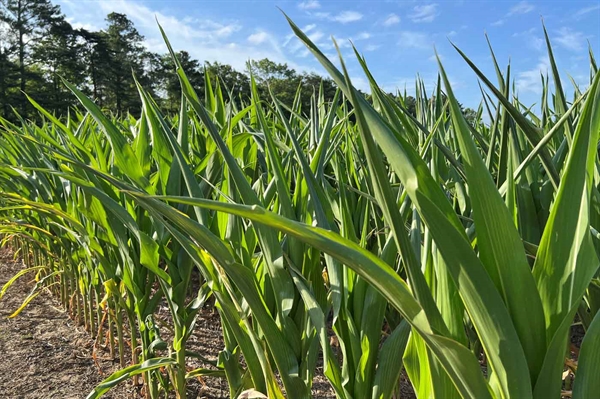
The Virginia Department of Environmental Quality (DEQ), in coordination with the Virginia Drought Monitoring Task Force, has expanded the drought warning advisory to now include 60 counties and cities, and has maintained a drought watch advisory for 32 counties and cities. Due to improving conditions related to recent precipitation, the drought watch advisory previously issued for the Chowan and Southeast Virginia drought evaluation regions has been lifted. All other regions within the Commonwealth remain affected by drought. Continued precipitation deficits in combination with sustained increased temperatures have resulted in rapid intensification of drought throughout the majority of the Commonwealth.
The following regions have been lifted from a drought watch advisory:
- Chowan: Lunenburg, Nottoway, Brunswick, Dinwiddie, Greensville, Sussex, Prince George, Southampton and Surry counties
- Southeast Virginia: Suffolk, Isle of Wight, Chesapeake, Virginia Beach, Portsmouth and Norfolk
A drought warning advisory indicates a significant drought is imminent and is in effect for the following areas:
- Big Sandy: Lee, Wise, Buchanan, Dickenson, Scott, Russell, Tazewell, Washington and Smyth counties
- Middle James: Albemarle, Amherst, Appomattox, Buckingham, and Nelson counties and the cities of Charlottesville and Lynchburg
- New River: Grayson, Wythe, Bland, Carroll, Floyd, Pulaski, Giles, and Montgomery counties
- Northern Piedmont: Greene, Madison, Rappahannock, Orange, Culpeper, Louisa, Spotsylvania, and Stafford counties
- Northern Virginia: Fauquier, Loudoun, Prince William, Arlington, and Fairfax counties
- Roanoke River: Patrick, Franklin, Roanoke, Henry, Bedford, Pittsylvania, Campbell, Halifax, Charlotte, and Mecklenburg counties
- Shenandoah: Augusta, Rockingham, Shenandoah, Frederick, Page, Warren, and Clarke counties
- Upper James: Craig, Alleghany, Bath, Highland, Botetourt, and Rockbridge counties
A drought watch advisory is intended to help Virginians prepare for a potential drought and remains in effect for the following areas:
- Eastern Shore: Accomack and Northampton counties
- Middle James: Fluvanna, Prince Edward, Cumberland, Goochland, Amelia, Powhatan, Chesterfield, Henrico and Hanover counties and the cities of Petersburg, Hopewell and Colonial Heights.
- Northern Coastal Plain: Caroline, King George, King William, King and Queen, Essex, Richmond, Westmoreland, Gloucester, Mathews, Middlesex, Lancaster and Northumberland counties
- York-James: Hampton, Newport News, James City, York, Charles City and New Kent counties
Several factors have contributed to the lifting of advisories, maintenance of drought watch advisories and the expansion of warning advisories in the affected regions. Precipitation over the past 7–14-day period showed localized heavy rainfall (1.5 – 4.0 inches) along the southeastern portion of the state resulted in improvements in soil moisture, stream flow and groundwater levels. Conversely, precipitation over the central and western part of the Commonwealth has been sparse leading to exceptional dryness within large portions of the Shenandoah, Upper James, New River, Roanoke and Big Sandy drought evaluation regions. Stream flows are currently below the 25th percentile of normal values for seven of the 13 drought evaluation regions with three of these regions currently below the fifth percentile (Big Sandy, Roanoke River and Shenandoah). Groundwater levels for monitoring wells in the Climate Response Network have shown continued declines within the central and western portion of the Commonwealth with nine regions currently below the 25th percentile. Of these, groundwater levels within six drought monitoring regions are currently below the fifth percentile including the Big Sandy, New River, Upper James, Shenandoah, Northern Virginia and York-James.
DEQ is working with local governments, public water works and water users in the affected areas to ensure that conservation and drought response plans and ordinances are followed. Localities and Virginians that are supplied water from the Potomac River should consult the Metropolitan Washington Water Supply and Drought Awareness Response Plan for specific triggers and actions to be taken. All Virginians are encouraged to protect water supplies by minimizing water use, monitor drought conditions and detect and repair leaks.
 Plows and Politics