Virginia Farmers to Serve on New Chesapeake Bay Agricultural Advisory Committee

Gov. Glenn Youngkin has appointed two farmers to represent the state on a newly established Chesapeake Bay Program Agricultural Advisory Committee. The committee aims to incorporate agricultural expertise into conservation efforts across the Chesapeake Bay watershed as officials work to accelerate progress toward water quality goals.

Kevin Craun and Robert “Bob” Waring will serve as Virginia’s representatives on the committee. Each jurisdiction in the watershed will appoint two representatives.

The committee’s formation follows a December 10 meeting of the Chesapeake Executive Council, where members formally approved its establishment. The initiative came at the request of agriculture secretaries from states within the Bay watershed and aligns with plans to revise the existing Chesapeake Bay Watershed Agreement by the end of 2025.

“Since day one, I have consistently said that we must work with Virginia’s farmers, not against them, in order to achieve our goals,” Youngkin said in a statement. “Under my administration, we have fully funded the Virginia Agricultural-Cost Share Program for the first time ever.”

Agriculture Secretary Matthew Lohr called the committee’s creation “a game-changer for ensuring that farmers’ voices are front and center in shaping the future of the Chesapeake Bay.”

Craun co-owns a 900-acre operation in the Shenandoah Valley, managing 190 dairy cows and 100 cow/calf pairs. He serves on multiple agricultural boards, including as chairman of the Shenandoah Valley Soil and Water Conservation District and as a commissioner of the Virginia State Milk Commission.

Waring co-manages Brandon Farms, a third-generation row crop farm in Essex County recognized by the American Farmland Trust for its conservation practices. He serves on the executive board of the Southern Cover Crops Council and works at Colonial Soil and Water Conservation District.

The Chesapeake Executive Council includes governors from Delaware, Maryland, New York, Pennsylvania, Virginia and West Virginia, along with the mayor of Washington, D.C., the chair of the Chesapeake Bay Commission and the EPA administrator.

Agriculture is the largest non-forest land use in the watershed and will play a critical role in creating solutions for a healthier Chesapeake Bay, officials said.

Is a Forest Carbon Program Right for You?

Forests play a critical role in the global carbon cycle, absorbing and storing vast amounts of carbon dioxide from the atmosphere. In Virginia, over 16 million acres (62%) of the state is forested, with the majority owned by nonindustrial private landowners. These forests sequester approximately 40% of the state’s annual carbon emissions under standard management practices.

Is a Forest Carbon Program Right for You?

A number of forest carbon project developers are operating in Virginia. As opportunities to take part in forest carbon markets increase, woodland owners are faced with many questions.

Click the button below to learn more about forest carbon credit opportunities in Virginia.

Commitment to Practicing Sustainable Forestry

Information provided by the Virginia Forest Landowner Education Program.

Before you can practice sustainable forestry, you must commit to doing it. What this commitment entails will vary depending on you and your land. But most natural resource professionals agree that a key component to making this commitment is obtaining a written forest management plan for your land.

What exactly is a forest management plan? A forest management plan states your goals for the future of your forest, describes the current conditions of your forest, and includes a list of activities to help you achieve your goals. The complexity of your plan will depend on the size of your land and the intensity of your management. Plans can be simple, including only a list of your goals, a collection of maps, a description of your trees (age, species, condition), and a list of activities; or they can be more in-depth, like a Forest Stewardship Plan, suitable for those of you who are doing a lot of active management (like timber harvesting).

The first step in the development of a forest management plan is to determine your land ownership goals. Goals are general statements about how you want your land to be in the future and do not include a timeline or any specifics of how or when you are going to reach them. Examples of common forest owner goals include:

  1. I want to have a healthy forest.
  2. I want to see lots of wildlife.
  3. I want a peaceful place to retire.

For more information on determining your goals, with real life examples, watch this short video: Management Goals and Objectives. Once your goals are set, you should work with a forester and/or wildlife biologist who can help assess the current condition of your forest and develop a list of activities to help you achieve your goals. You can find your local forester here: https://dof.virginia.gov/ and your local wildlife biologist here: https://dwr.virginia.gov/wp-content/uploads/media/dmap-map.pdf.

You may also want to check these upcoming and recurring educational opportunities for Virginia forest landowners:

Featured Events

Fifteen Minutes in the Forest

Fifteen Minutes in the Forest videos are shown every other Friday at 12:15 on Facebook and YouTube Premiere.

2024 Landowner Woods & Wildlife Conferences

These long-running full-day conferences provide information, tools, and personal contacts to help private woodland owners keep their woods, and the wildlife that live in them, healthy and productive. A variety of topics are offered to appeal to owners of both small and large tracts, and both new and experienced owners.

2024 Woodland Steward Webinar Series: Focus on Silvopasture

This free webinar series will teach you how to establish, manage, and fund silvopasture systems. Established producers will share their experiences.

Legacy Planning Workshops

Learn about the conservation tools available to help you pass your land and your legacy on to the next generation while keeping it intact, in forest and in family ownership.

Landowner Retreats

Landowner Retreats are co-hosted by the Virginia Department of Forestry and Virginia Cooperative Extension. Retreats provide information on hardwood and pine forest management, legacy planning, management planning, and more. They combine classroom, field trip and hands-on activities to teach concepts of sustainable woodland and wildlife management.

Visit the Blue Ridge PRISM website for programs on nonative invasives

New Funding Opportunity for Climate-Smart Agriculture Practices

The Alliance to Advance Climate-Smart Agriculture is a pilot program that will incentivize farmers and ranchers to adopt climate-smart agriculture practices that will maintain and improve agricultural productivity, benefit the producer, and improve climate resilience. 

Under the three-year pilot program, The Alliance and its partners will help producers in Virginia prove the value of paying farmers and ranchers $100 per acre or animal unit for stewardship practices that deliver public value through carbon sequestration, greenhouse gas reduction, improved soil health, water quality, water conservation, and other environmental services. Direct payments will be issued by Virginia Tech.

Participating Districts: 

  • Colonial Soil and Water Conservation District (757) 645-4895 OR samantha.pereira@colonialswcd.org: Charles City, James City, New Kent, York and City of Williamsburg. For the Alliance grant, Colonial has an expanded service area of: Caroline, Chesterfield, Essex, Gloucester, Hanover, Henrico, Isle of Wight, King & Queen, King William, Mathews, Middlesex, Prince George, Surry and City of Suffolk
  • Thomas Jefferson Soil and Water Conservation District (434) 975-0224 ext 112 OR agriculture@tjswcd.org: Louisa, Fluvanna, Nelson, Albemarle and City of
    Charlottesville

Eligibility:

  • Farm located within an eligible county shown above
  • Verified Farm Service Agency (FSA) Number
  • Two-acre minimum
  • Land can not be enrolled in another state or federal conservation program in the same practice on the same acres

Applications opening on February 15-March 15. Looking for more information?
Join in to our Alliance Virtual Information Session on Monday, February 5 at 5:30pm! Register HERE!

National Survey, Virginia Program Noting Farms’ Conservation Efforts

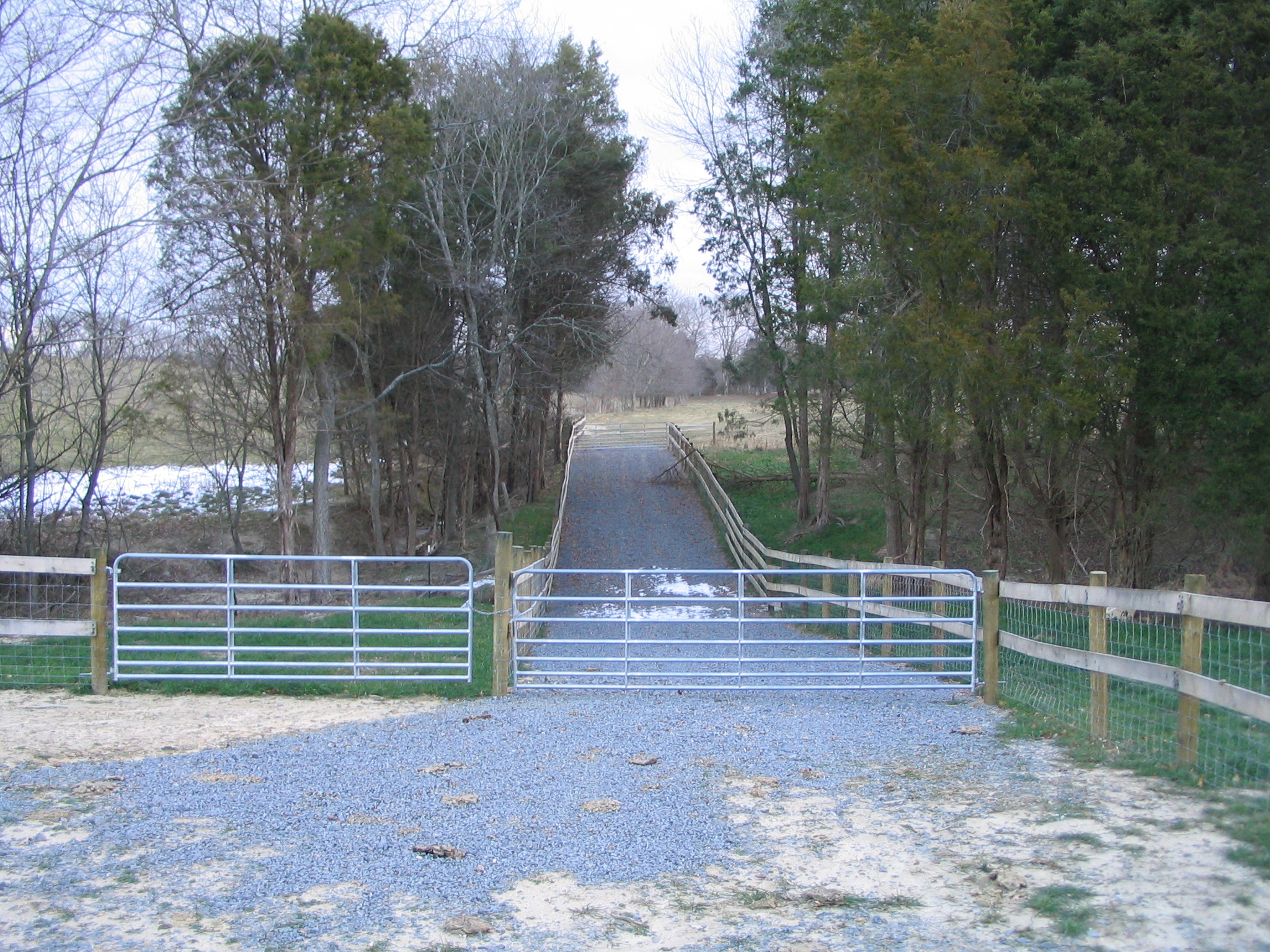
creek crossover for cattle (2)

Creek crossover for cattle

The National Agricultural Statistics Service is conducting its second annual survey to measure the environmental benefits associated with conservation practices on agricultural land.

Virginia’s Resource Management Plan program, which just entered its third year, is also noting efforts by farmers to protect the environment.

Since Virginia launched its RMP program in July 2014, 320 plans have been developed for farms in the commonwealth’s portion of the Chesapeake Bay watershed. Created in the interest of meeting bay cleanup goals, the program encourages farmers to voluntarily increase their use of agricultural best management practices and documents their current practices.
Continue reading