
Ben Rowe, right, with Nottoway County Young Farmer John Shepherd
With the 2019 Virginia General Assembly session adjourned, I have turned my full attention from the state capital back to our nation’s capital, and the federal issues that impact your farm. Since the 116th Congress convened in January, we have seen more than 2,900 bills introduced, as well as the Administration’s FY2020 budget proposal. As we move into another year of low commodity prices and farm income, the federal agriculture budget is more important than ever. Let’s dive into the federal agriculture budget and how it would impact your operation, both positively and negatively.
On March 11th, the President released the administration’s federal budget for FY2020. The $4.75 trillion budget is the largest in federal history, yet calls for a 15 percent reduction in funding for the USDA. The total budget request for USDA amounts to $20.8 billion, which is $3.6 billion below current levels. The proposed cuts affect both discretionary funding (set through the annual budget and appropriations processes) and proposed legislative changes to programs authorized and funded in the 2018 Farm Bill.
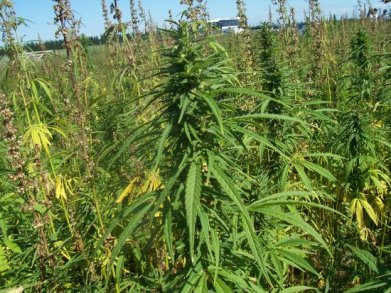 The second Industrial Hemp Summit took place Feb. 25 and 26, on the heels of the 2018 Farm Bill’s passage in December. That legislation lifted restrictions on growing hemp in the U.S.
 A judgment stemming from a $50 million verdict must be overturned, farm groups told a federal appeals court in Richmond, Virginia, yesterday.
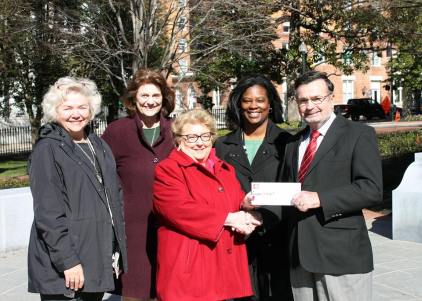 The state’s largest agricultural organization has made a significant donation to honor an ag entrepreneur in the Virginia Women’s Monument.
 Speakers’ remarks evoked a mix of hope and frustration at the 11th annual Virginia Governor’s Conference on Agricultural Trade. The event was held March 5 in Richmond and drew more than 300 participants, including representatives from 15 foreign embassies.
 Horse and dog enthusiasts can save money by purchasing advance online tickets to the annual
  The ability to safely and efficiently haul livestock is critical not only for animal welfare but also for the viability of Virginia’s livestock operations. Farm Bureau recognizes that livestock haulers need flexibility in the hours they are permitted to be on the road so they can address the unique challenges of hauling live animals. Farm Bureau has been working towards hours of service reform in recent years and continues to push for reasonable and workable reforms.
 Plows and Politics