 The American Farm Bureau Women’s Leadership Program has launched “Women in Ag,” an online survey that aims to gauge the goals, aspirations, achievements and needs of women in American agriculture in a variety of areas.
All women who are farmers, ranchers, farm/ranch employees, employed in agricultural businesses, pursuing ag-related higher education or supportive of agriculture in other ways are invited to participate in the survey at fb.org/women. Respondents must reside in the United States. Farm Bureau membership is not required to participate.
“This comprehensive survey asks women in-depth questions about how they are connected to agriculture and what leadership skills they think are most important today, as well as the top business challenges they’re facing,” said Sherry Saylor, an Arizona farmer and chair of the American Farm Bureau Women’s Leadership Committee. “We are seeking input from all women involved in agriculture – not just Farm Bureau members – for this survey,” Saylor emphasized.
Data collected from respondents will be used to gauge trends related to the achievements of women in agriculture, including leadership positions, business successes and election to public office. Results from the survey are slated for release in the fall and will add to findings gleaned from a similar survey conducted in 2014.
The AFB Women’s Leadership Committee is sponsoring the survey and is working with other farm and agriculture organizations to encourage participation. Participants will be entered to receive one of five $100 gift cards after the survey closes on June 21.
 Virginia First Lady Pamela Northam, Secretary of Education Atif Qarni, and Secretary of Agriculture and Forestry Bettina Ring are calling on the Commonwealth’s school nutrition programs to increase annual statewide local food purchases to at least $22 million by 2022. Mrs. Northam announced the goal last month in Hampton during the annual Virginia Farm-to-School Conference.
 Virginia Farm Bureau Federation
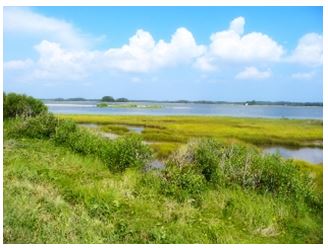 The Chesapeake Bay Program announced March 26 that water quality in the bay met its highest level since monitoring began in 1985, besting its previous record reported in 2017.
 If you have been following our federal outreach and advocacy related to livestock hauler Hours of Service and Electronic Logging Devices, you know this is a priority issue for Farm Bureau and our members. The ability to safely and efficiently haul livestock is critical not only for animal welfare, but for the viability of Virginia’s livestock operations. Farm Bureau recognizes that livestock haulers need flexibility in the hours they are permitted to be on the road so they can address the unique challenges of hauling livestock. Farm Bureau has been working towards hours of service reform in recent years and continues to push for reasonable and workable reforms.
 The Board of Game and Inland Fisheries passed the Virginia Elk Management Plan 2019-2028 at their meeting on March 21, 2019. This 10-year plan will guide the Department of Game and Inland Fisheries’ management of the elk population in Virginia through 2028. The goals set forth by the plan were developed by a 17-member stakeholder advisory committee, representing a variety of interests, including farmers, hunters, homeowners, forest landowners, animal and ecological health interests, business and tourism industries, motorists, and government agencies.
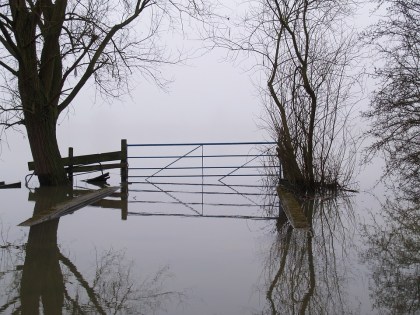 Record flooding devastates Nebraska, ag damage could top $1 billion
 Plows and Politics