 American Farm Bureau has released its first assessment of the impact on farmers and ranchers in the wake of the national mitigation efforts to combat COVID-19.
In a letter to Secretary of Agriculture Sonny Perdue, AFBF President Zippy Duvall pledged that “America’s farmers and ranchers will be with you every step of the way, doing all that we can to help you win this fight and to ensure the health, safety and prosperity of all America.” USDA invited Farm Bureau to convey agricultural issues or concerns arising as the pandemic mitigation efforts and impact advance. Duvall said labor, supply chain issues and possible price manipulation topped the list of immediate issues farmers are raising with the national organization.
 On March 16, 2020, the U.S. Embassy and Consulates in Mexico
 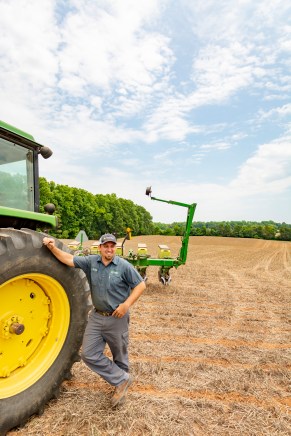 The U.S. Department of Agriculture (USDA) is standing up a new team of U.S. Department of Agriculture (USDA) staff that will lead a department-wide effort focused on serving beginning farmers and ranchers.
 Farmers and farmers markets trying to come up with solutions to continue to serve their customers while practicing social distancing,
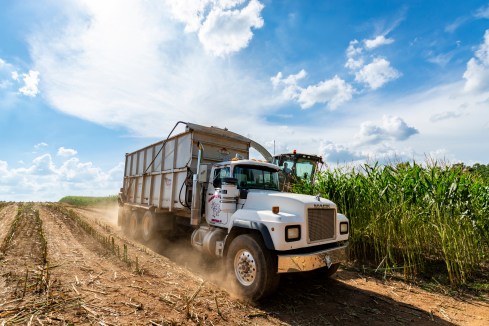 The Virginia Department of Motor Vehicles has authorized a temporary waiver of registration and licensing requirements for carrier, and the Commissioner of Highways authorizes a temporary waiver of normal weight and width restrictions on roads controlled by the Virginia Department of Transportation, for the
 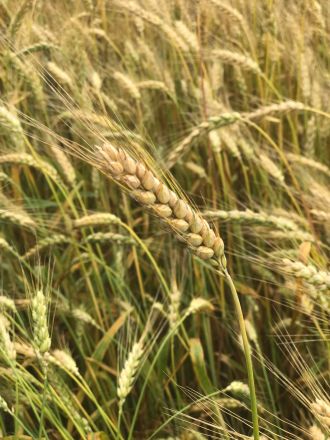 Future farm planning and strategy were themes of the Virginia Grain and Soybean Annual Conference earlier this year.
 Ticks are a nuisance to many, but they can pose a threat to farmers whose livestock are at risk for disease spread by the pests.
 Veterans and active military personnel interested in post-military careers in farming can learn about available resources during a two-day conference in mid-March.
 The U.S. Department of Agriculture can’t predict the future, but it can make an educated guess with data from prospective planting surveys submitted by the nation’s farmers.
 Plows and Politics