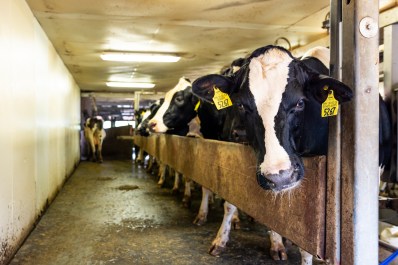
 U.S. dairy farmers are facing more than $17 billion in losses tied to the COVID-19 pandemic, but an uptick in prices and flow of federal assistance might offer relief in upcoming months.
Virginia’s dairy industry has suffered financial stress for years—now worsened as school closures have decimated demand for dairy products. The Virginia Farm Bureau Federation Dairy Advisory Committee held a webinar in May to discuss current market conditions and supply chain disruptions.
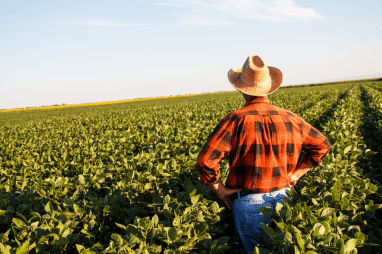 Stressful times can take emotional, mental and physical tolls on farmers.
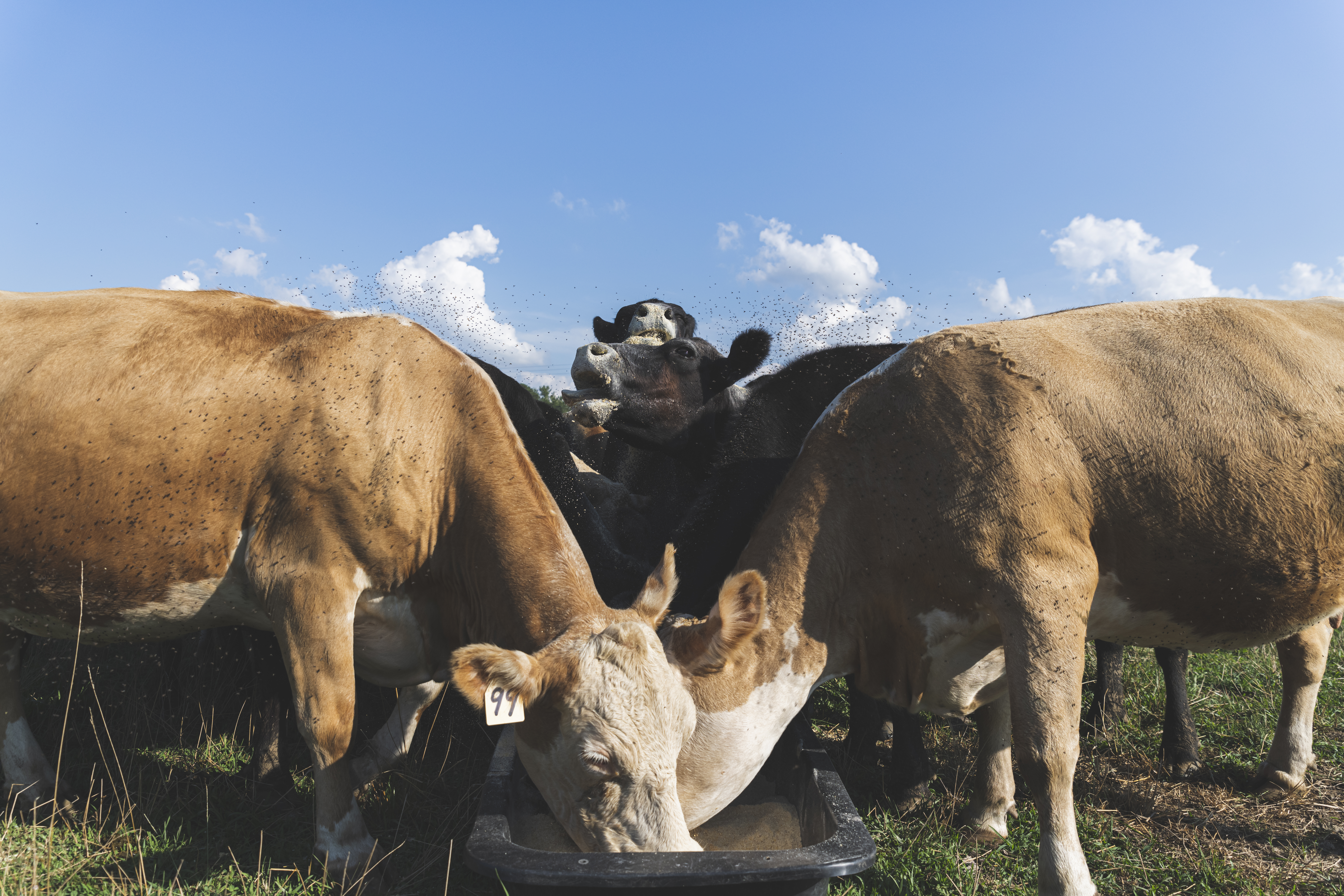 Mitigation measures to control the spread of COVID-19 have disrupted normal livestock marketing channels and supply chains, and economists say it will get worse before it gets better.
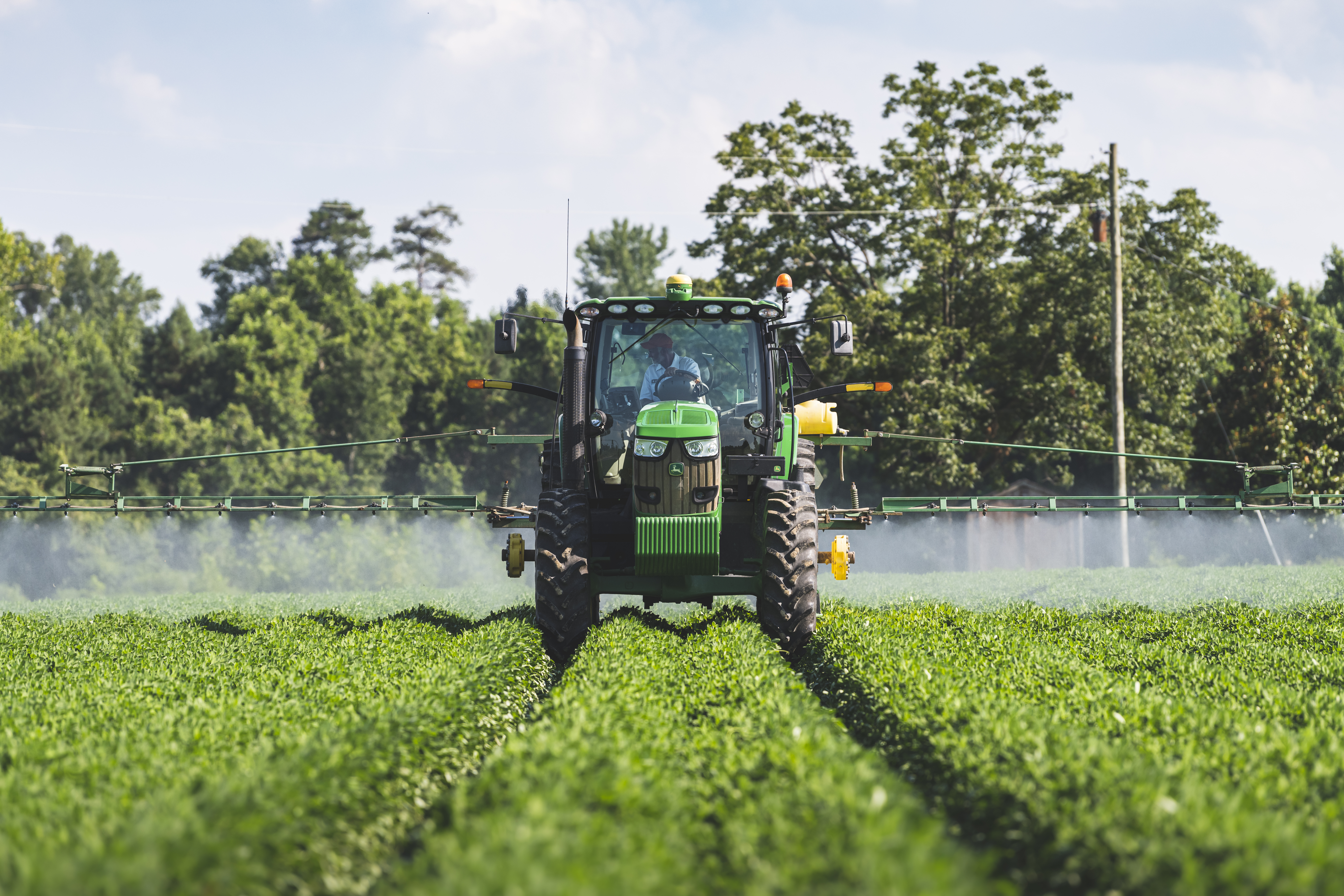 After an unusually cool, wet spring, this week’s summer heat was a welcome change for Southeast Virginia farmers, whose small grains need warmer weather to thrive.
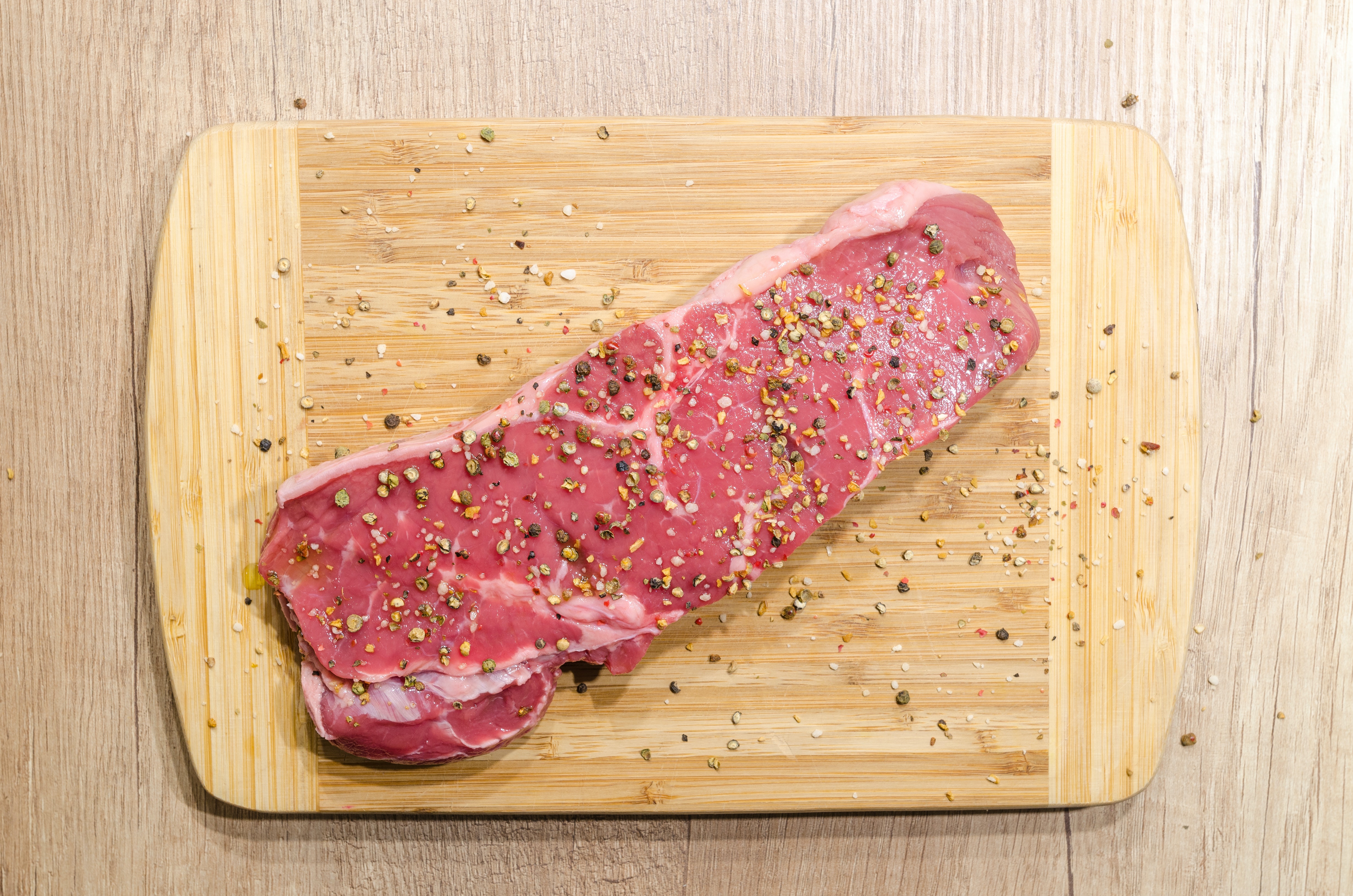 Jay Yankey typically advertises when he has half and whole beef cattle for sale, but this year he didn’t have to.
 FSA will host CFAP webinars addressing program basics and resources available for producers.
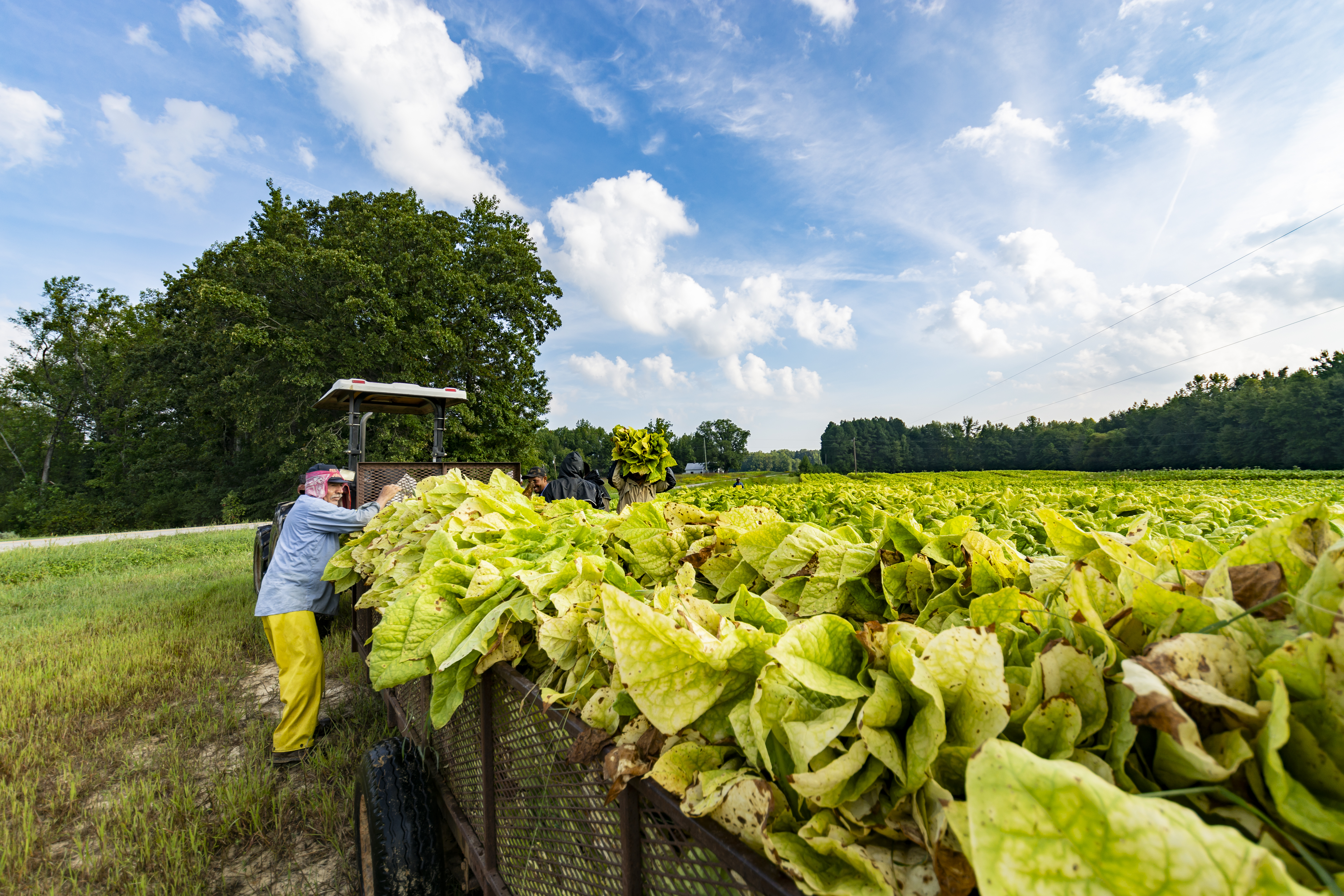 In response to ongoing challenges from COVID-19, CDC & USDA have issued interim guidance for agriculture workers and employers. The newly released guidance states that workers on farms, ranches, and other production agriculture work sites are considered critical infrastructure workers within the food and agriculture sector. The guidance urges all agriculture work sites to follow to the extent feasible, relevant aspects of CDC guidance. Key points are listed below,
 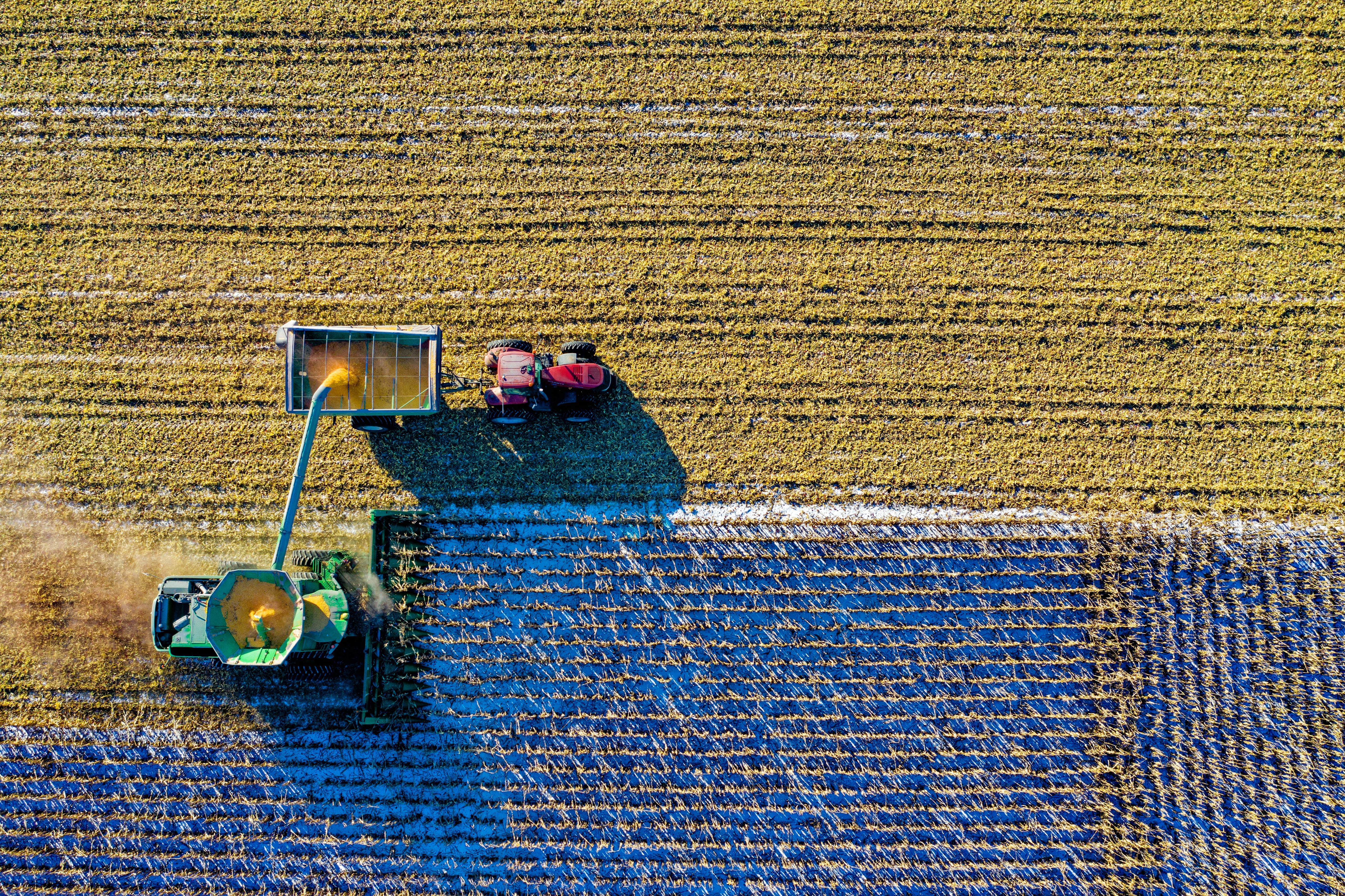 A battle over a farmer’s right to use and care for his own land is one step closer to being resolved. A determination by the director of USDA’s National Appeals Division admonishes the Natural Resources Conservation Service for failing to obey its own rules, favoring a farmer who battled NRCS for more than a decade. The decision is a welcome signal that concerns from across the countryside about NRCS conservation compliance are being heard.
