 Company will make a total payment of $10.1 billion to $10.9 billion (€9.1 billion to €9.8 billion) to resolve current and address potential future Roundup™ litigation
- Company also resolves dicamba drift litigation for payment of up to $400 million and most PCB water litigation exposure for payment of approximately $820 million
- Funding sourced from free cash flow and Animal Health divestment
- Bayer is well positioned to deliver science-based solutions to meet global health, nutrition needs
Bayer announced today a series of agreements that will substantially resolve major outstanding Monsanto litigation, including U.S. Roundup™ product liability litigation, dicamba drift litigation and PCB water litigation. The main feature is the U.S. Roundup™ resolution that will bring closure to approximately 75% of the current Roundup™ litigation involving approximately 125,000 filed and unfiled claims overall. The resolved claims include all plaintiff law firms leading the Roundup™ federal multi-district litigation (MDL) or the California bellwether cases, and those representing approximately 95% of the cases currently set for trial, and establish key values and parameters to guide the resolution of the remainder of the claims as negotiations advance. The resolution also puts in place a mechanism to resolve potential future claims efficiently. The company will make a payment of $8.8 billion to $9.6 billion to resolve the current Roundup™ litigation, including an allowance expected to cover unresolved claims, and $1.25 billion to support a separate class agreement to address potential future litigation. The Roundup™ class agreement will be subject to approval by Judge Vince Chhabria of the U.S. District Court for the Northern District of California. The resolutions were approved unanimously by Bayer’s Board of Management and Supervisory Board with input from its Special Litigation Committee. The agreements contain no admission of liability or wrongdoing.
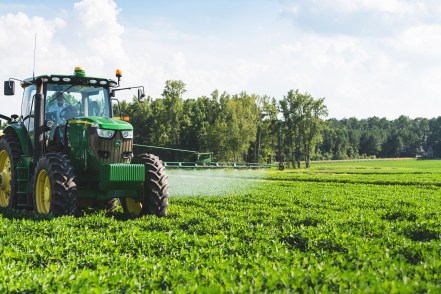 In 2019, a petition was filed in the U.S. Court of Appeals for the Ninth Circuit against the EPA for its decision in 2018 to extend the registration of low-volatility dicamba products, including XtendiMax. The petition was filed by the National Family Farm Coalition, Center for Food Safety, Center for Biological Diversity, and Pesticide Action Network North America. The petitioners requested the court to vacate the current U.S. registrations of certain low-volatility dicamba products, including XtendiMax. The petitioners claim the EPA’s 2018 registration decision was based on insufficient evidence and therefore violated the Federal Insecticide, Fungicide, and Rodenticide Act (FIFRA). In April 2020, the court heard oral arguments on the petition. The EPA defended its science-based registration decision.
 On Thursday, June 25, Virginia Cooperative Extension is hosting a webinar featuring 5 speakers from USDA Farm Service Agency (FSA) in Richmond. The speakers will provide an overview of the Coronavirus Food Assistance Program (CFAP), information on eligibility and aid available for producers of various crops, and the importance of record keeping.
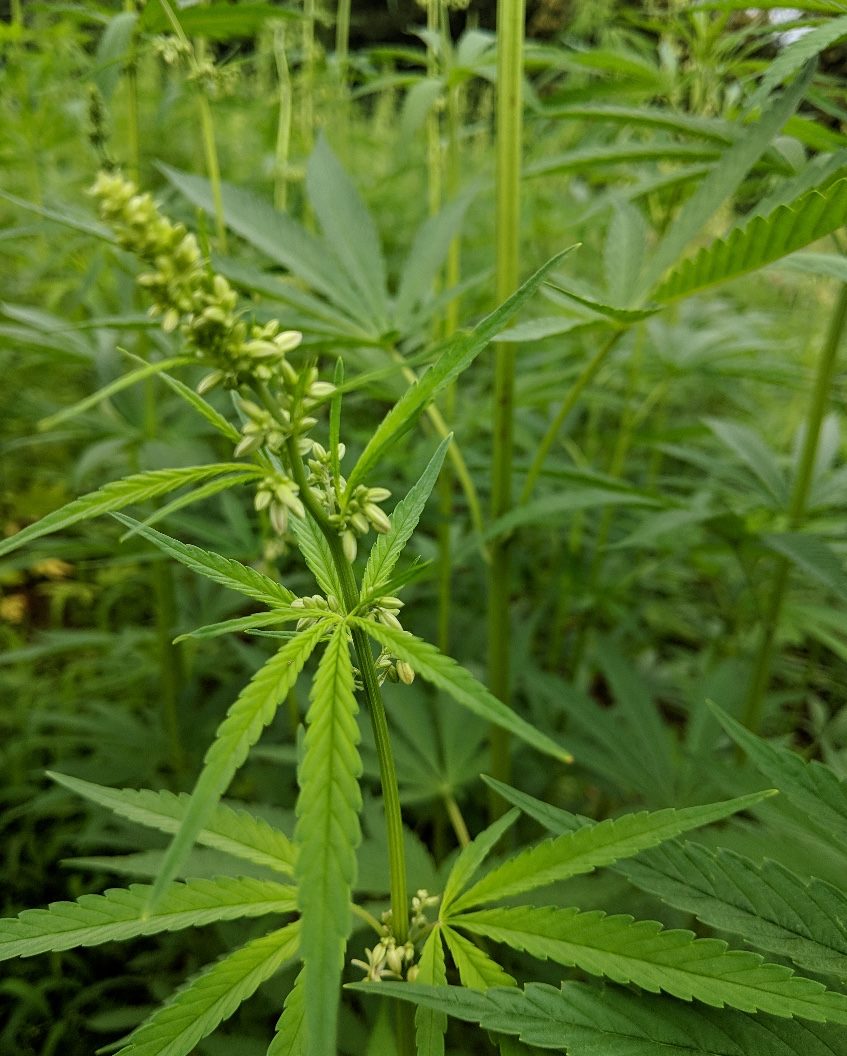 BRD Extraction, LLC, doing business as Blue Ribbon Extraction, will invest $3.26 million to establish Virginia’s first large-scale industrial hemp processing and cannabidiol (CBD) oil extraction facility in the Town of South Boston. The project will create 22 new jobs and the company has committed to sourcing over 90 percent of hemp purchases from Virginia growers, resulting in more than $70 million in payments to Virginia farmers over the next three years. Using state-of-the-art equipment, the company expects to be able to process up to 5,000 pounds of industrial hemp per day, primarily grown by local farmers, most of whom are current or former tobacco farmers.
 Trust in America’s farmers and ranchers remains high amid the devastating blow delivered by the COVID-19 pandemic. A new American Farm Bureau Federation poll shows 84% of Americans trust the nation’s farmers and the same overwhelming majority support financial assistance from the government for farmers struggling to keep from going under because of the pandemic.
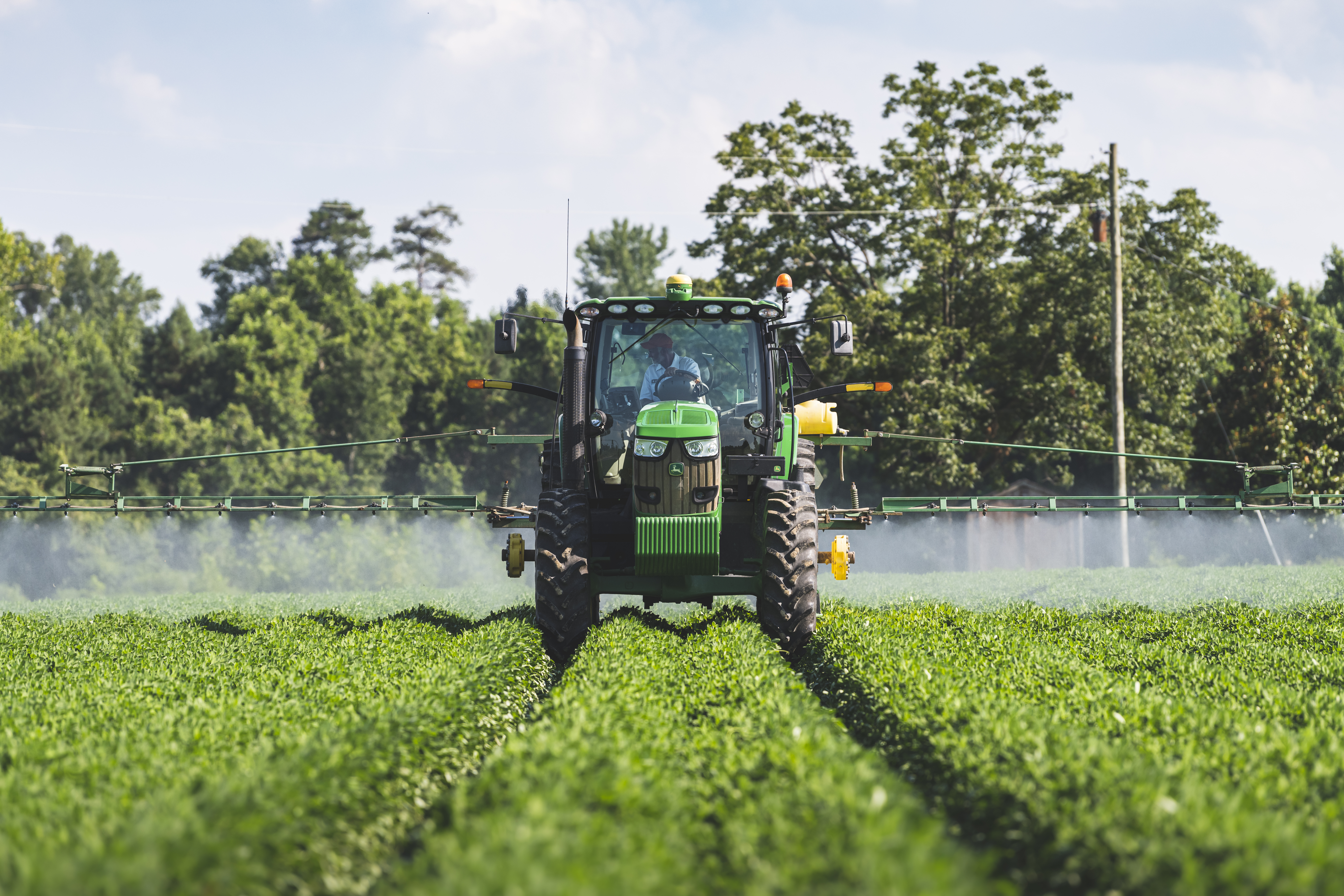 On June 3, the 9th U.S. Circuit Court of Appeals vacated the registrations of three dicamba herbicides—Bayer’s Xtendimax, BASF’s Engenia and Corteva’s FeXapan. The court found that EPA violated FIFRA in its conditional approvals by, among other things, not adequately estimating dicamba damage. The court’s decision does not address Tavium, Syngenta’s dicamba herbicide. In response to the court’s decision, AFBF sent a
 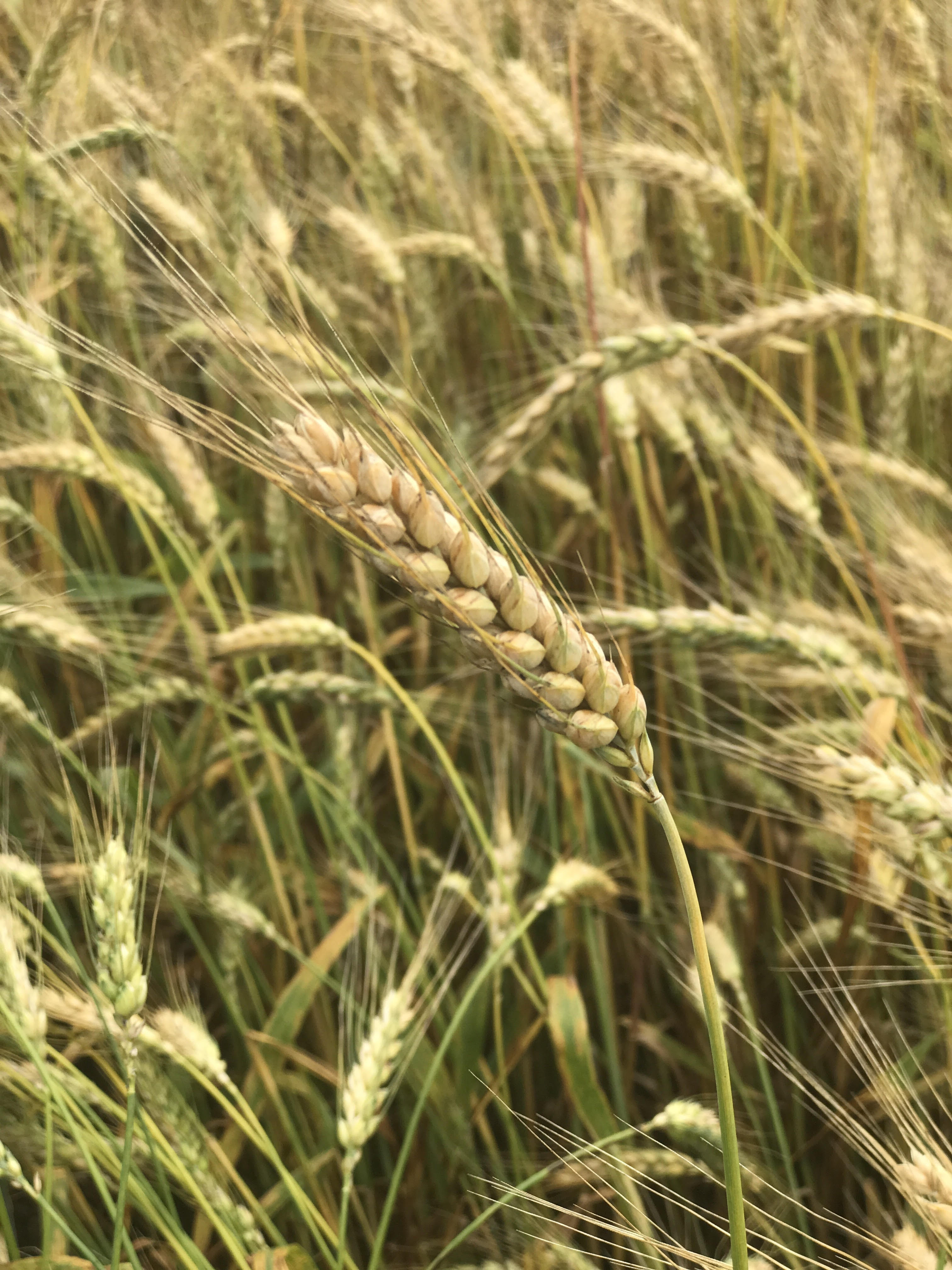 Virginia farmers expect to harvest 11.0 million bushels of winter wheat during 2020 according to the Virginia field office of USDA’s National Agricultural Statistics Service. The expected crop for 2020 would be up 69% from the previous year. The forecast was based on crop conditions as of June 1 and decreased 6% from the May forecast. Growers expect a yield of 61.0 bushels per acre, down 1.0 bushels from 2019 and down 4.0 bushels from May. Farmers seeded 260,000 acres last fall with 180,000 acres to be harvested for grain. Acres for other uses totaled 80,000 acres and will be used as cover crop for tobacco or cut as silage or hay.
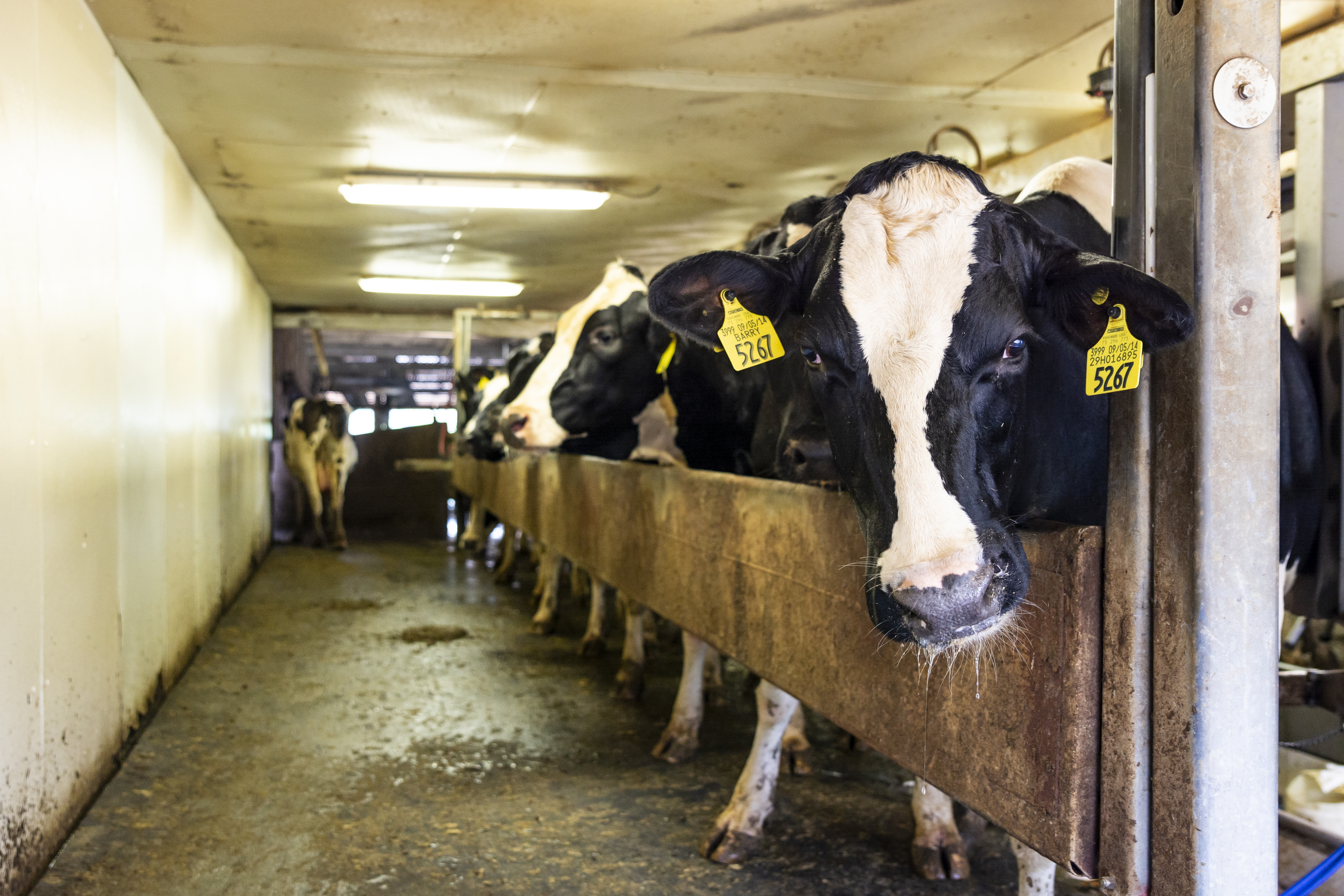 U.S. dairy farmers are facing more than $17 billion in losses tied to the COVID-19 pandemic, but an uptick in prices and flow of federal assistance might offer relief in upcoming months.
 Plows and Politics