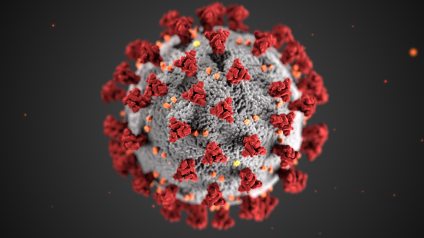
 The USDA announced it will extend the application deadline for the Coronavirus Food Assistance Program (CFAP) to September 11, 2020. The American Farm Bureau Federation, along with 27 other agriculture organizations, sent a letter to USDA Secretary Sonny Perdue last week requesting the deadline be extended beyond August 28, 2020.
Dozens of commodities will also now be eligible for CFAP funding, including additional specialty crops, aquaculture, nursery crops and cut flowers.
“We thank USDA for responding quickly to our letter and addressing the needs of America’s farmers and ranchers as they fight to stay afloat during the coronavirus pandemic. COVID-19 has taken its toll on farmers across the country, regardless of what they grow or raise. No one can tell when this pandemic will end, and extending the deadline and expanding eligibility will provide a lifeline at a time it’s needed most,” said AFBF President Zippy Duvall. “Many hard-working farm families have not gone through federal programs before and need help navigating their way through the process. We’re working to ensure farmers who now qualify for aid are made aware that it is available to them, and we encourage the USDA to expand its outreach efforts to do the same.”
USDA collected comments and supporting data for consideration of additional commodities through June 22, 2020. The following additional commodities are now eligible for CFAP:
- Specialty Crops – aloe leaves, bananas, batatas, bok choy, carambola (star fruit), cherimoya, chervil (french parsley), citron, curry leaves, daikon, dates, dill, donqua (winter melon), dragon fruit (red pitaya), endive, escarole, filberts, frisee, horseradish, kohlrabi, kumquats, leeks, mamey sapote, maple sap (for maple syrup), mesculin mix, microgreens, nectarines, parsley, persimmons, plantains, pomegranates, pummelos, pumpkins, rutabagas, shallots, tangelos, turnips/celeriac, turmeric, upland/winter cress, water cress, yautia/malanga, and yuca/cassava.
- Non-Specialty Crops and Livestock – liquid eggs, frozen eggs and all sheep. Only lambs and yearlings (sheep less than two years old) were previously eligible.
- Aquaculture – catfish, crawfish, largemouth bass and carp sold live as foodfish, hybrid striped bass, red drum, salmon, sturgeon, tilapia, trout, ornamental/tropical fish, and recreational sportfish.
- Nursery Crops and Flowers – nursery crops and cut flowers.
Other changes to CFAP include:
- Seven commodities – onions (green), pistachios, peppermint, spearmint, walnuts and watermelons – are now eligible for Coronavirus Aid, Relief, and Economic Stability (CARES) Act funding for sales losses. Originally, these commodities were only eligible for payments on marketing adjustments.
- Correcting payment rates for onions (green), pistachios, peppermint, spearmint, walnuts, and watermelons.
Additional details can be found in the Federal Register in the Notice of Funding Availability and Final Rule Correction and at www.farmers.gov/cfap.
Producers Who Have Applied:
To ensure availability of funding, producers with approved applications initially received 80 percent of their payments. The Farm Service Agency (FSA) will automatically issue the remaining 20 percent of the calculated payment to eligible producers. Going forward, producers who apply for CFAP will receive 100 percent of their total payment, not to exceed the payment limit, when their applications are approved.
Applying for CFAP:
Producers, especially those who have not worked with FSA previously, are recommended to call 877-508-8364 to begin the application process. An FSA staff member can help producers start their application during the phone call.
On farmers.gov/cfap, producers can:
- Download the AD-3114 application form and manually complete the form to submit to their local USDA Service Center by mail, electronically or by hand delivery to their local office or office drop box.
- Complete the application form using the CFAP Application Generator and Payment Calculator. This Excel workbook allows customers to input information specific to their operation to determine estimated payments and populate the application form, which can be printed, then signed and submitted to their local USDA Service Center.
- If producers have login credentials known as eAuthentication, they can use the online CFAP Application Portal to certify eligible commodities online, digitally sign applications and submit directly to the local USDA Service Center.
All other eligibility forms, such as those related to adjusted gross income and payment information, can be downloaded from farmers.gov/cfap. For existing FSA customers, these documents are likely already on file.
All USDA Service Centers are open for business, including some that are open to visitors to conduct business in person by appointment only. All Service Center visitors wishing to conduct business with FSA, Natural Resources Conservation Service or any other Service Center agency should call ahead and schedule an appointment. Service Centers that are open for appointments will pre-screen visitors based on health concerns or recent travel, and visitors must adhere to social distancing guidelines. Visitors are also required to wear a face covering during their appointment. Our program delivery staff will be in the office, and they will be working with our producers in the office, by phone and using online tools. More information can be found at farmers.gov/coronavirus.
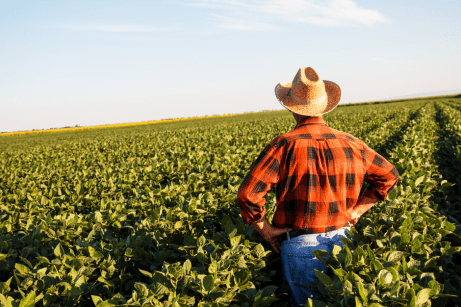 Farmers and other rural residents could soon benefit from the addition of federal mental health resources with the passage of the Seeding Rural Resilience Act.
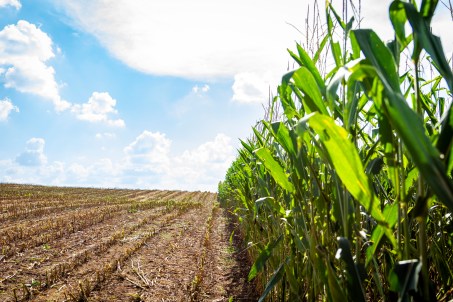 Corn production in Virginia was forecast at 49.5 million bushels, down 10% from the previous crop. Yield was estimated at 132 bushels per acre, down 12 bushels from the 2019 level. Acres for harvest as grain were estimated at 375,000 acres, down 5,000 acres from 2019. The U.S. corn production was forecast at 15.3 billion bushels, up 12% from 2019. Based on conditions as of August 1, yields are expected to average 181.8 bushels per acre, up 14.4 bushels from 2019. Area harvested for grain is forecast at 84.0 million acres, unchanged from the June forecast but up 3% from 2019.
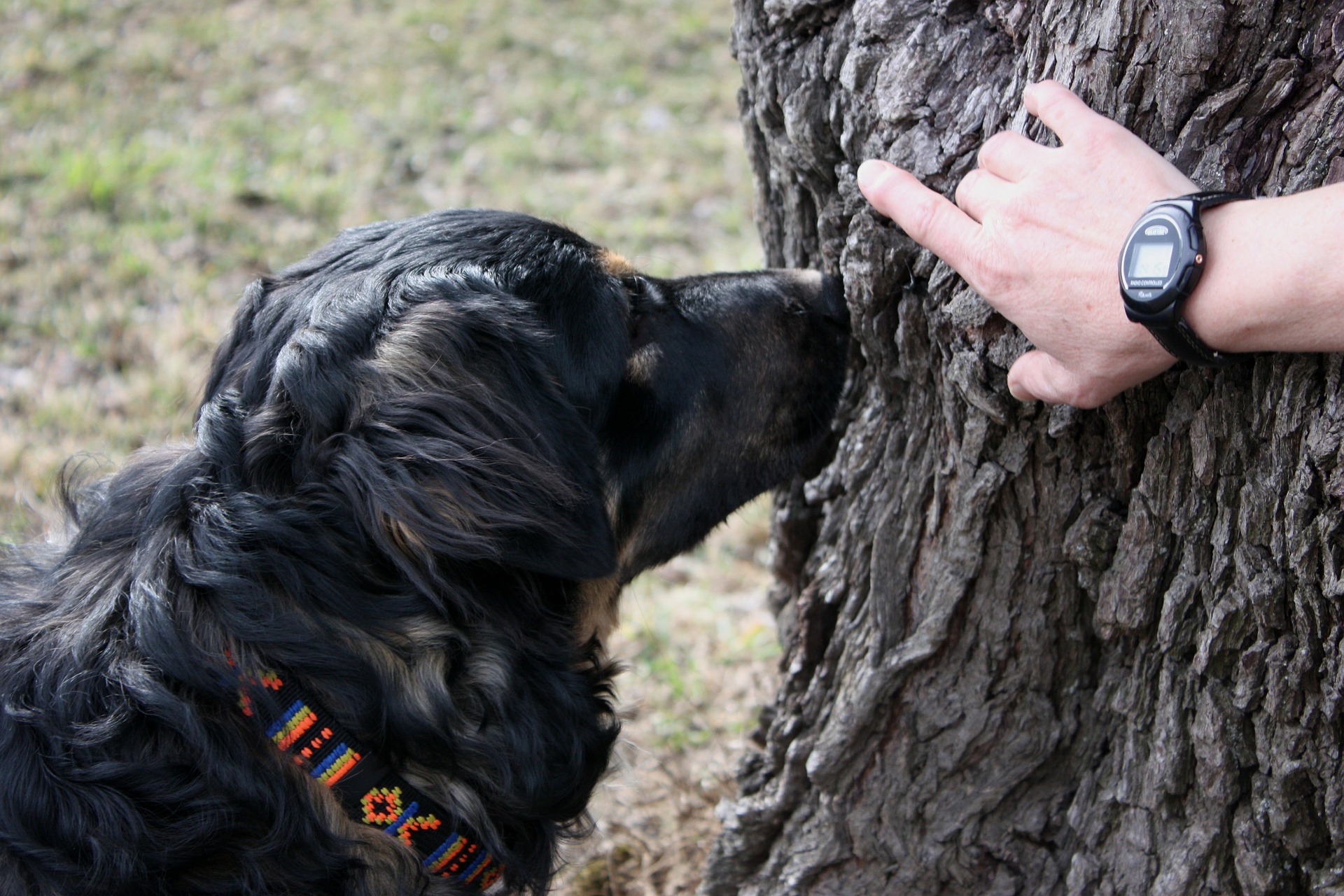 Dogs are known for their incredible noses. They can detect illness, sniff out bedbugs and even help with conservation efforts like locating sea turtle nests.
 Senate leadership has introduced the Health Economic Assistance Liability Protection and Schools (HEALS) Act. The HEALS Act is the latest in response to the COVID-19 national emergency and would provide an additional $20 billion to the U.S. Department of Agriculture to help farmers and ranchers.
 Plows and Politics