Check out this week’s Merchandiser Minute.
US Department Of Labor Launches Initiative Focused on Education, Outreach, Enforcement in Nation’s Agricultural Industry

Throughout the pandemic, farmworkers have remained on the job throughout the nation despite potential exposures to feed Americans and support U.S. exports. As the U.S. Department of Labor recognizes National Farmworker Awareness Week March 25-31, the department’s Wage and Hour Division has launched a nationwide education, outreach and enforcement initiative to ensure workplace protections for these frontline, low-wage workers.
The initiative includes targeted outreach and education efforts to ensure that farmworkers and their advocates understand their rights and that they should contact the division to file a complaint if violations occur. The effort also focuses on educating growers, farm labor contractors, other agricultural employers and industry stakeholders to ensure that they understand their responsibilities, and that the division is available to answer their questions.
“The pandemic has had disproportionate impact on low-wage, essential workers, including the agricultural workers whose work feeds all of us,” said Wage and Hour Division Principal Deputy Administrator Jessica Looman. “National Farmworker Awareness Week honors the vital contributions these workers make and reminds us of the issues they face. The U.S. Department of Labor is committed to ensuring industry employers comply with federal labor laws and that they pay farmworkers all of their hard-earned wages.”
In addition to education and outreach, the initiative’s compliance component seeks to reduce agricultural industry violations through enforcement. In fiscal year 2020, the Wage and Hour Division conducted more than 1,000 investigations in agriculture and found more than $7 million in back wages owed to more than 11,000 workers. In its investigations, the division assessed employers with more than $6 million in civil money penalties.
Continue readingThe Rowe Report: Federal Funding Announcements: PPP Extension, COVID Vaccine Support, Cattle & Row Crop Assistance

This week we have seen a flurry of activity from the federal government to address both the cause of, and the negative impacts from, the COVID-19 pandemic in the agricultural economy. To address the spread of COVID-19, the Department of Health and Human Services plans to invest nearly $10 billion to expand access to COVID-19 vaccines. To address the ill economic effects of COVID, USDA plans to invest more than $12 billion for the “Pandemic Assistance for Producers” program, which will help farmers who previously did not qualify for COVID-19 aid and expand assistance to farmers who have already received help. Further, Congress has passed legislation to extend the Paycheck Protection Program (PPP) deadline for two months.
Investment to Expand Access to COVID-19 Vaccines
As part of continued efforts to ensure COVID-19 vaccines reach all people and all communities, the U.S. Department of Health and Human Services has planned series of actions to expand access to COVID-19 vaccines to the hardest-hit and highest-risk communities across the country, including rural America. Portions of the $10 billion in funding, will impact rural areas and the agriculture industry in the following ways:
- $6 Billion Investment in Community Health Centers to Expand Access to Vaccines in Underserved Communities.
- HHS will invest more than $6 billion to expand COVID-19 vaccinations, testing, and treatment for vulnerable populations; deliver preventive and primary health care services to people at higher risk for COVID-19; and expand health centers’ operational capacity during the pandemic and beyond, including modifying and improving physical infrastructure and adding mobile units.
- The Health Resources and Services Administration (HRSA), will provide funding starting in April to nearly 1,400 centers across the country. Community Health Centers serve 1 in 5 people living in rural communities.
First Responders Train for Life-Saving Grain Bin Extrication
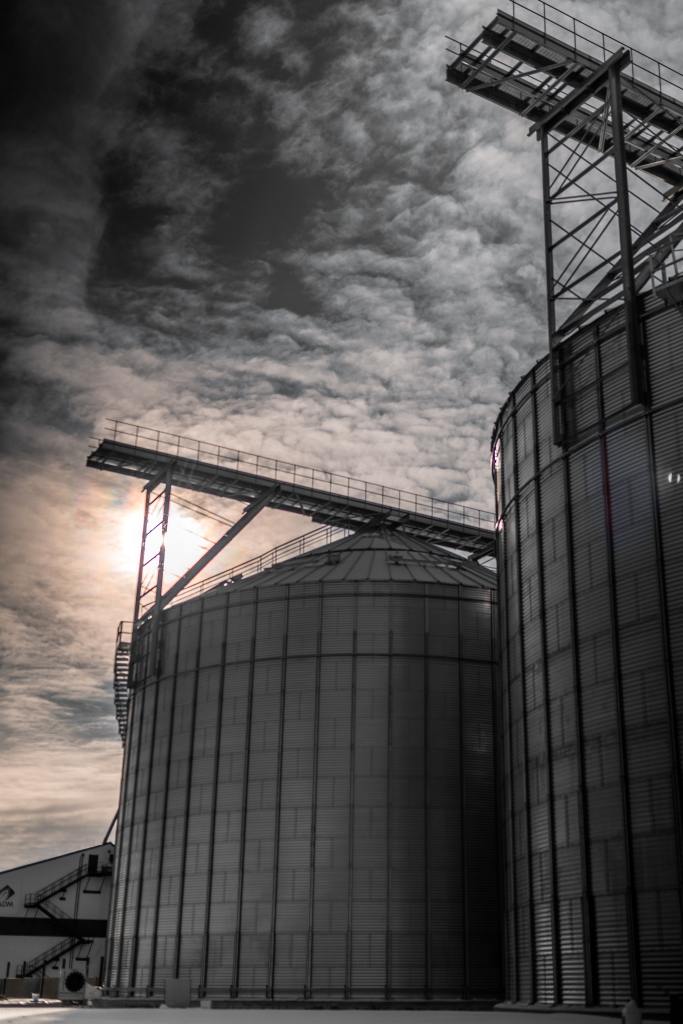
Grain bins that store loose, dry bulk material like corn can enhance profitability on farms, but they pose a grave danger to farmworkers who access them.
While grain bin entrapments are infrequent, engulfment can happen quickly, requiring emergency rescue. An entrapment occurs when a victim becomes covered in grain beyond the point of self-extrication, while an engulfment is when a person is completely submerged beneath the surface of the grain. Approximately half of grain entrapments lead to engulfment, which is almost always fatal.
In 2019, 38 reported entrapments resulted in 23 deaths in the U.S.—almost twice as many as in 2017, according to Purdue University.
The Henrico Technical Rescue Team and neighboring rescue workers are prepared to respond to these types of emergencies after recent trainings at the Engel Family Farms in Hanover County. Rescue squad members were instructed on how to use an extrication apparatus provided by Virginia Farm Bureau Federation’s Farm Safety Advisory Committee.
This was a rare opportunity for Henrico County’s specialty unit, which is trained for unusual rescue situations like extrications or incidents involving confined spaces. At the farm training, the team entered a grain bin partially filled with dry corn. Once inside, they assembled the Great Wall of Rescue—lightweight panels that aligned to form a tube-shaped wall around an entrapped mannequin. Because it can take up to 900 pounds of force to rescue an engulfed 165-pound victim, a drill-powered auger removes grain from the tube prior to extrication.
The training was led by Lt. Charles Smith of Henrico County Division of Fire, Station 1, who grew up on a farm in Hanover and previously worked for the Engel family.
Continue readingMerchandiser Minute- March 19, 2021
Check out this week’s Merchandiser Minute.
Governor Northam Announces $20.1 Million to Strengthen Broadband Infrastructure in 17 Localities
Governor Ralph Northam has announced the award of $20.1 million in Virginia Telecommunication Initiative (VATI) grants to improve broadband infrastructure in 17 localities. The funding will support 11 projects, connecting more than 13,400 households, businesses, and anchor institutions to high-speed internet, and leveraging $18.8 million in private and local investments. Since 2018, Virginia has invested more than $73.1 million through VATI to connect a total of 76,351 Virginians to broadband service.
“Quality broadband service is key to growing our economy, and learning, competing, and succeeding in today’s digital world,” said Governor Northam. “This funding will have an enormous impact on thousands on unserved Virginians and bring us closer to our goal of every community in our Commonwealth having access to high-speed internet.”
Administered by the Department of Housing and Community Development (DHCD), VATI provides targeted financial assistance to extend broadband service to areas that are unserved by an internet service provider. This is the second round of funding for the VATI 2021 program year, and in total, more than $49.8 million has been awarded for 28 localities, connecting over 25,000 households, businesses, and anchor institutions. Governor Northam and the General Assembly made an historic investment of nearly $50 million in VATI funding during the November 2020 legislative session that enabled this significant increase in Virginians served. The Governor and General Assembly maintained this historic funding in the recent budget for next fiscal year.
Continue readingFarmers Markets Positioned for Post-Pandemic Success
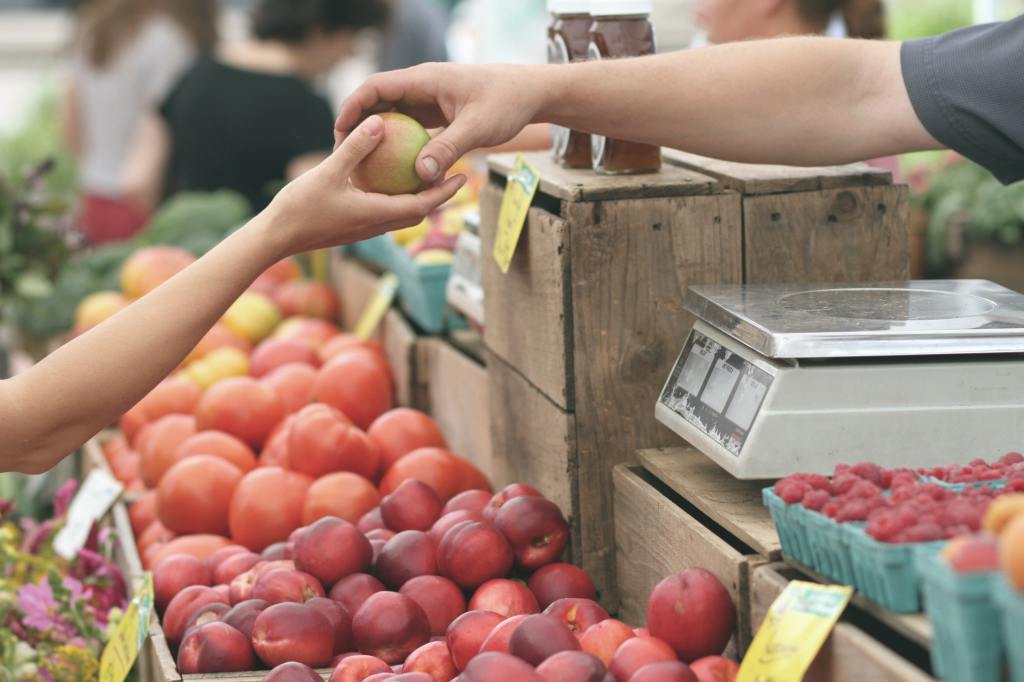
The COVID-19 pandemic left supermarkets reeling from undersupply and supply chain breakdowns, causing consumers to explore new markets and develop new food-purchasing habits.
A survey from the U.S. Department of Agriculture, Colorado State University, Pennsylvania State University and the University of Kentucky found farmers markets and direct-from-producer sales will likely benefit from the shift in consumer behavior.
Thirty-five percent of survey respondents said they had purchased food from at least one new food outlet during the pandemic. Of those, 6% purchased from farmers markets, direct-from-producer and community-supported agriculture businesses.
An additional 17% of respondents purchased food from a combination of farmers markets, CSAs, direct sales, artisan markets, local restaurants and food boxes.
The study also revealed 31% of consumers who began purchasing food from farmers markets during the pandemic have continued to do so, as well as 34% of consumers who purchased from CSAs and direct sales.
Continue readingFrontline Farmers are Eligible for COVID-19 Vaccine

Agricultural groups know farmers are essential workers, and they are supporting efforts to get them vaccinated against COVID-19.
“Our nation’s food supply depends on farmers’ and frontline agricultural workers’ ability to work safely,” said Ben Rowe, national affairs coordinator for Virginia Farm Bureau Federation. “The work of planting, cultivating, harvesting, packaging and processing crops and livestock cannot be conducted remotely or accomplished without contact. Despite swift implementation of best practices and state and federal guidance in the fields and processing facilities, the agricultural workforce remains at heightened risk of infection, as do the frontline critical-risk workers.”
Food and agriculture workers and veterinarians are eligible under the Virginia Department of Health COVID-19 Vaccine Phase 1b. Every health district in Virginia has moved into Phase 1b, which means these workers are eligible regardless of their home county.
Continue readingFarm Bureau Farm Dog of the Year Nominations Now Open

Farmers are invited to submit nominations for the 2022 Farm Bureau Farm Dog of the Year contest, supported by Purina. This is the fourth year of the contest, which celebrates farm dogs and the many ways they support farmers in producing nutritious food for families and their pets across America.
The grand prize winner – Farm Bureau Farm Dog of the Year – will win a year’s worth of Purina dog food and $5,000 in prize money. The winner will be recognized at a Farm Dog of the Year award ceremony at the American Farm Bureau Federation Convention in January 2022. Up to four regional runners-up* will each win $1,000 in prize money.
“We’re excited to host this popular contest again and provide the general public with another glimpse into daily life on the farm,” said AFBF President Zippy Duvall. “Farm dogs often play a dual role as both working dogs and companions to farm families, which is especially important because farming and ranching can be stressful, even on the best days.”
Scientific research insights provided by our partner Purina reveal that interacting with pets can provide health benefits. For example, after spending just 20 minutes with a dog, people experienced a significant increase in levels of oxytocin, a hormone that plays a role in moderating stress. This was also associated with a decrease in heart rate and an increase in self-reported sense of well-being. Following the interaction with the dog, people were in a more positive emotional state.
Desired attributes for the Farm Dog of the Year include helpfulness to the farmer and his/her family, playfulness and obedience. The 2022 Farm Dog of the Year will also be featured in a professionally produced video. The profile of 2021 Farm Dog of the Year Bindi can be viewed at https://www.fb.org/land/fdoty.
Continue readingMerchandiser Minute- March 12, 2021
Check out this week’s Merchandiser Minute!
 Plows and Politics