The 2026 General Assembly session is underway! Virginia Farm Bureau’s Government Relations team is tracking the top issues that matter most to our members, and we’ll be bringing you weekly updates right here. 👉 Tune in each week to stay informed on the top priorities we’re working on for Virginia agriculture.
Farmer Bridge Assistance Payment Rates Announced
The USDA has released per-acre payment rates for the Farmer Bridge Assistance (FBA) Program. Eligible producers will receive pre-filled applications and payments by February 28, 2026.
Payment Rates by Commodity
| Commodity | Rate per Acre |
|---|---|
| Rice | $132.89 |
| Cotton | $117.35 |
| Oats | $81.75 |
| Peanuts | $55.65 |
| Sorghum | $48.11 |
| Corn | $44.36 |
| Wheat | $39.35 |
| Chickpeas (Small) | $33.36 |
| Soybeans | $30.88 |
| Chickpeas (Large) | $26.46 |
| Safflower | $24.86 |
| Lentils | $23.98 |
| Canola | $23.57 |
| Mustard | $23.21 |
| Barley | $20.51 |
| Peas | $19.60 |
| Sunflower | $17.32 |
| Sesame | $13.68 |
| Flax | $8.05 |
Key Eligibility Information
Eligible Acres:
- Based on 2025 planted acres
- Double crop acres qualify (both initial and subsequent plantings)
- Prevent plant acres are NOT eligible
Eligible Uses:
- All intended row crop uses EXCEPT: grazing, volunteer stands, experimental, green manure, crops left standing and abandoned, or cover crops
Crop Insurance:
- NOT required for FBA payments
- USDA strongly recommends utilizing new risk management tools from the One Big Beautiful Bill Act
Specialty Crops and Sugar
The remaining $1 billion is reserved for specialty crops and sugar producers. Payment timelines are still under development.
Important Resources
📧 Questions: farmerbridge@usda.gov
🌐 Program Information: https://www.fsa.usda.gov/fba
📍 Local Support: Contact your USDA FSA county office
Merchandiser Minute: Brazil’s Beans 97% Planted

Robert Harper with Virginia Farm Bureau’s grain division provides this week’s market updates.
#merchandiserminute #grainfuture #virginiafarmbureau
USDA $12 Billion in Bridge Payments for American Farmers
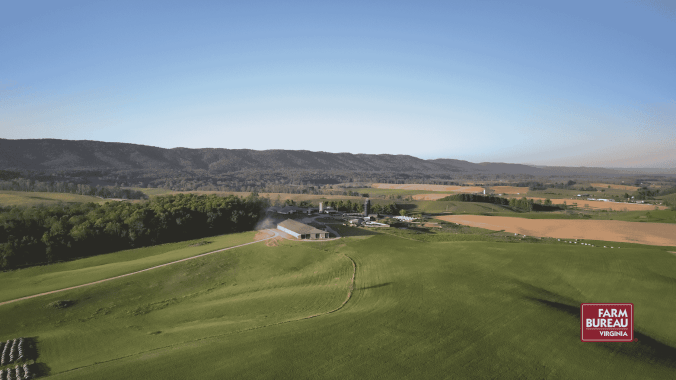
The USDA will provide $12 billion in one-time bridge payments to American farmers facing market disruptions and elevated production costs.
What Farmers Need to Know
The Farmer Bridge Assistance (FBA) Program will distribute up to $11 billion to row crop producers of barley, chickpeas, corn, cotton, lentils, oats, peanuts, rice, soybeans, wheat, and other covered commodities. Payments are expected by February 28, 2026.
Action Required: Farmers must ensure their 2025 acreage reporting is accurate by 5 p.m. ET on December 19, 2025. Commodity-specific payment rates will be released by month’s end.
The remaining $1 billion is reserved for specialty crops and sugar, with details still under development.
Building on Historic Farm Support
This bridge program comes on top of over $30 billion in disaster and economic assistance already delivered in 2025, including:
- $9.3 billion through the Emergency Commodity Assistance Program
- $6 billion in supplemental disaster relief
- $1.8 billion for specialty crop producers
These payments are designed to support farmers until the benefits of the One Big Beautiful Bill Act take effect in October 2026, which raises reference prices for major commodities by 10-21%.
Trade Wins and Market Access
The administration has secured trade agreements with more than 15 countries, opening new markets for American agricultural products:
- Japan committed to $8 billion in agricultural purchases
- China resumed large purchases of soybeans and sorghum
- The EU agreed to purchase $750 billion in American energy while addressing barriers for pork and dairy
- Thailand eliminated tariffs on 99% of U.S. goods, including most agricultural products
Additional Actions for Farmers
The Trump Administration has also:
- Reduced H-2A farm labor costs, saving at least $2 billion initially
- Provided nearly $1 billion in Section 32 commodity purchases for food assistance
- Signed an executive order targeting price fixing and anti-competitive behavior in agricultural markets
- Expanded crop insurance support, saving farmers over $400 million annually
Questions?
Producers can submit questions or request meetings by emailing farmerbridge@usda.gov.
Merchandiser Minute: China Buys U.S. Soybeans
Robert Harper with Virginia Farm Bureau’s grain division provides this week’s market updates.
#merchandiserminute #grainfuture #virginiafarmbureau
Action Alert: EPA Proposes New WOTUS Rule. Your Comments are Needed!

EPA and the Army Corps have released a new proposed rule defining “waters of the United States” in response to the Supreme Court’s Sackett v. EPA decision. The rule was officially published in the Federal Register on Nov. 20, 2025, and the agencies are now accepting public comments.
This proposal begins to align the federal definition of WOTUS with the clarity that the Supreme Court required. It provides meaning to key terms like “relatively permanent” and “continuous surface connection,” which dictate the scope of the federal government’s jurisdictional reach under WOTUS. These changes matter. Farmers and ranchers need a clear, workable rule that protects clean water and respects private property and state authority.
We need your help: EPA and the Corps will only take comments for 45 days, and it is important that farmers and ranchers are heard. Sharing your story and asking the agencies to finalize a clear and durable rule will make a difference.
Take action: Use the link below to submit your comment. A draft comment is provided on the action page, and you can personalize it if you choose.
Deadline: Comments must be submitted by Jan. 5, 2026.
Thank you for speaking up and helping ensure these agencies adopt a rule that provides the clarity you need to protect your land and water.
Merchandiser Minute: Soybean Flash Sale
Robert Harper with Virginia Farm Bureau’s grain division provides this week’s market updates.
#merchandiserminute #grainfuture #virginiafarmbureau
Merchandiser Minute: Massive Corn Shipments
Robert Harper with Virginia Farm Bureau’s grain division provides this week’s market updates.
#merchandiserminute #grainfuture #virginiafarmbureau
Merchandiser Minute: November Crop Report and WASDE
Robert Harper with Virginia Farm Bureau’s grain division provides this week’s market updates.
#merchandiserminute #grainfuture #virginiafarmbureau
Virginia Invests $890K in Rural Large Animal Veterinary Services
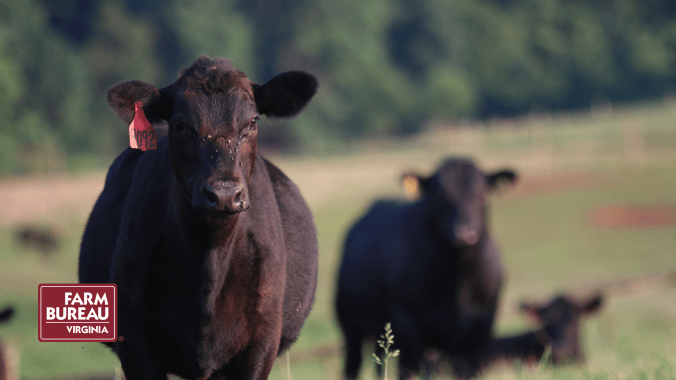
Rural communities across Virginia are about to see a boost in veterinary availability for their livestock, poultry and horses. Seven veterinarians have been awarded grants totaling $890,000 to expand critical services that keep farms running and rural economies thriving.
Addressing a Critical Shortage
The shortage of large animal veterinarians isn’t just a Virginia problem—it’s a nationwide crisis affecting animal health, farm operations, food safety and agricultural economies from coast to coast, and Virginia is taking decisive action.
Through a newly launched partnership between the Virginia Department of Agriculture and Consumer Services (VDACS) and the Virginia Tobacco Region Revitalization Commission (TRRC), the commonwealth is making a strategic investment in the veterinary professionals who serve its agricultural backbone.
The Large Animal Veterinary Grant Program, which opened on July 1, 2025, attracted 43 applications from veterinarians across the state—clear evidence of both the demand for support and the commitment of practitioners to serve rural areas.
Making a Real Difference
VDACS awarded four grants of up to $110,000 each, while TRRC provided three grants of $150,000 to veterinarians serving Southern and Southwest Virginia. The funds will support everything from opening standalone clinics and haul-in facilities to purchasing equipment, hiring technicians and even paying down student loans.
“We are committed in the commonwealth to helping large animal veterinarians succeed, so they can continue providing such vital services to our farmers and rural communities,” said Dr. Charlie Broaddus, VDACS State Veterinarian.
The 2025 Grant Recipients
VDACS Large Animal Veterinary Grant Recipients:
- Dr. Nathaniel Burke, Luray
- Dr. James Cassell, Galax
- Dr. Keagan Clevenger, Rockbridge Baths
- Dr. Sherri Gard, Suffolk
TRRC Large Animal Veterinary Incentive Program Recipients:
- Dr. Travis Gilmer, Scott County
- Dr. Mary Tomlinson, Galax
- Dr. Suzanne Newcombe, Gretna
Why This Matters
For farmers who depend on healthy livestock for their livelihoods, access to veterinary care isn’t a luxury—it’s essential. When animals get sick or injured, quick access to skilled veterinary care can mean the difference between a minor setback and a devastating loss.
TRRC Chairman Delegate Will Morefield emphasized the economic importance of this initiative: “Livestock, especially cattle, are the primary drivers of the agricultural economy of Southern and Southwest Virginia. This is a prime example of the Commission listening to our producers and the communities we serve and utilizing our unique flexibility to generate solutions that will make a real difference.”
A Collaborative Effort
The program reflects a truly collaborative approach to solving agricultural challenges. Recipients were selected by a diverse panel including representatives from TRRC, Virginia Farm Bureau, Virginia Board of Veterinary Medicine, Virginia Cooperative Extension, Virginia Academy of Food Animal Practitioners and the Virginia Veterinary Medical Association.
Virginia Farm Bureau President Scott Sink noted the organization’s role in bringing the program to life: “Farmers have long struggled with a shortage of large animal vets—and we’ve been working hard to change that. Partnering with Senator Travis Hackworth and Delegate Alfonso Lopez, we helped create a grant program to support these vital professionals.”
Looking Ahead
The grants will be distributed over multiple years, ensuring veterinarians can build sustainable practices and remain committed to their communities for the long term. This strategic approach recognizes that solving the rural veterinary shortage requires more than one-time funding—it requires creating conditions where practices can thrive.
As Virginia continues to support its agricultural sector, this investment in large animal veterinary services represents a crucial step toward ensuring farmers have the resources they need to keep their operations healthy and productive for generations to come.
 Plows and Politics