![]() |
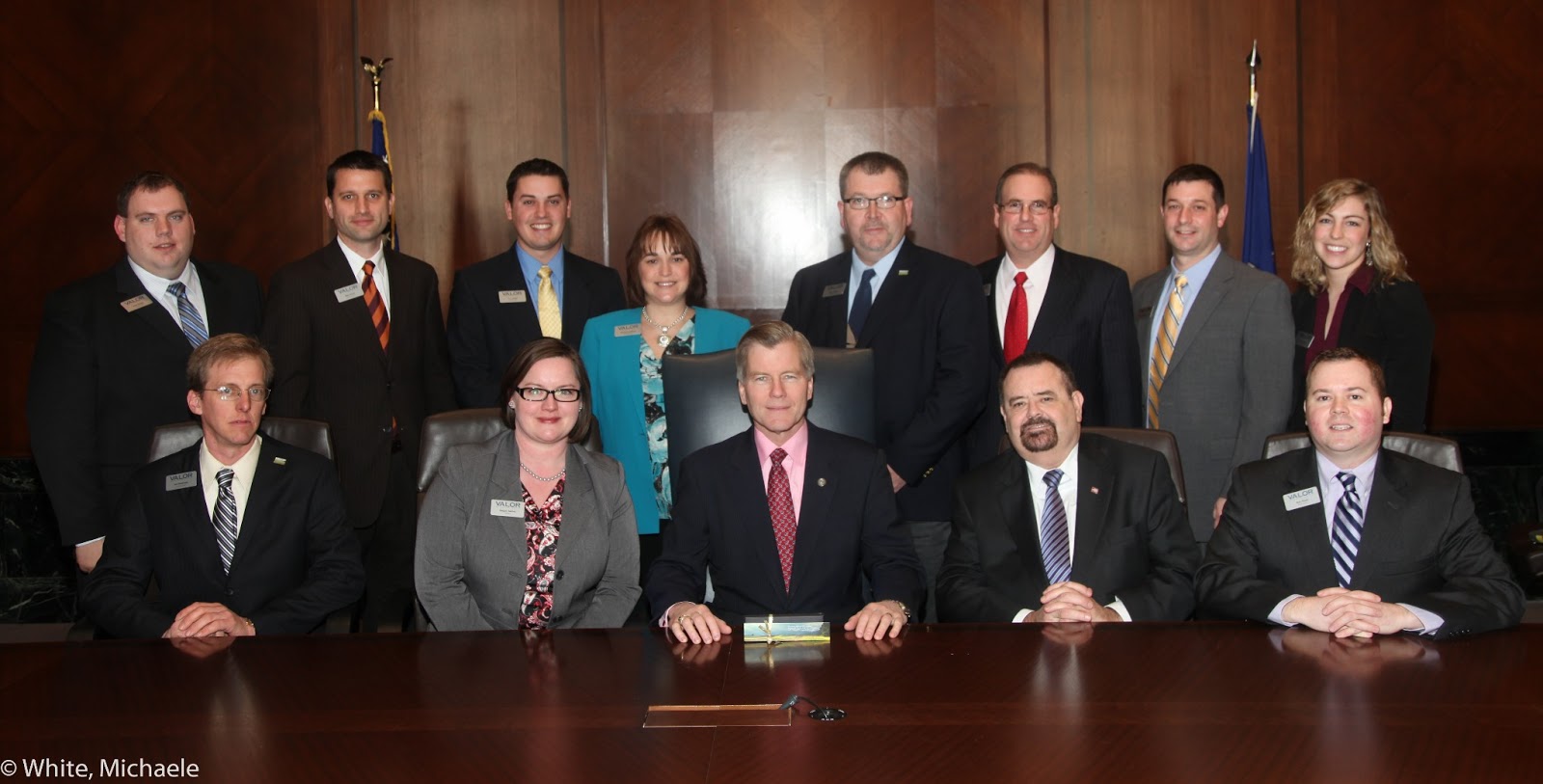
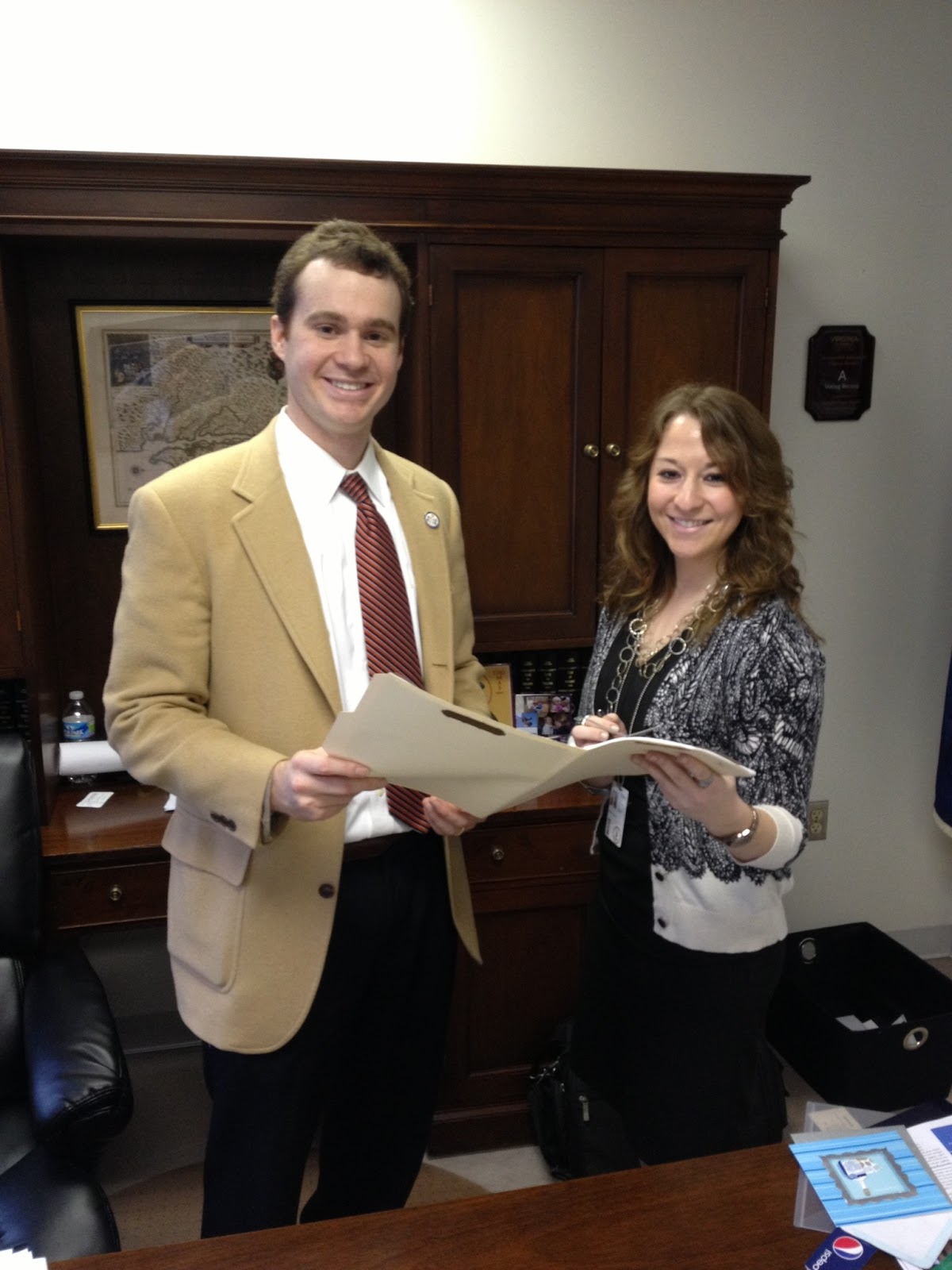
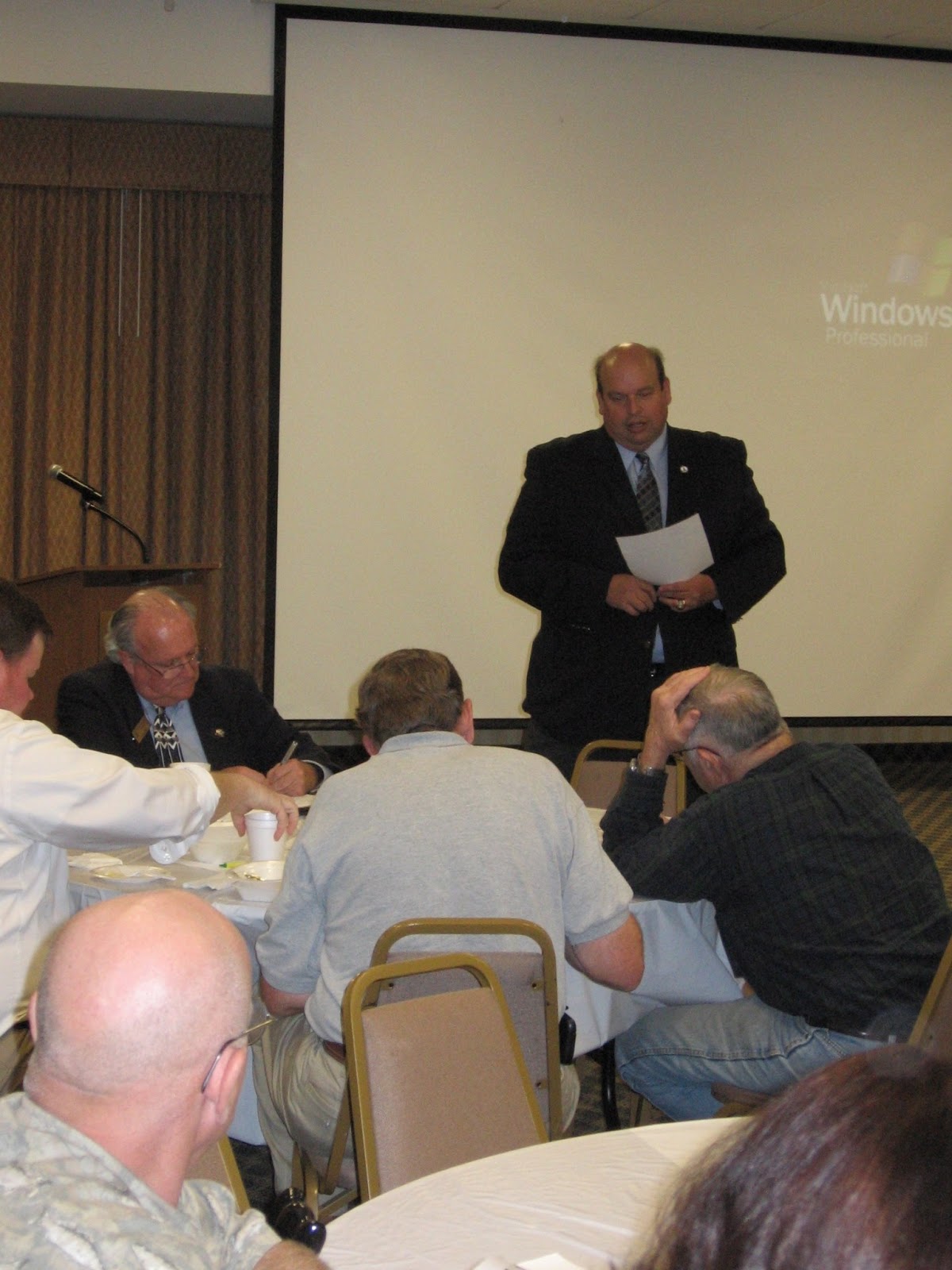
| Stefanie Kitchen is the legislative aide for Del. Peter Farrell (R-56th) |
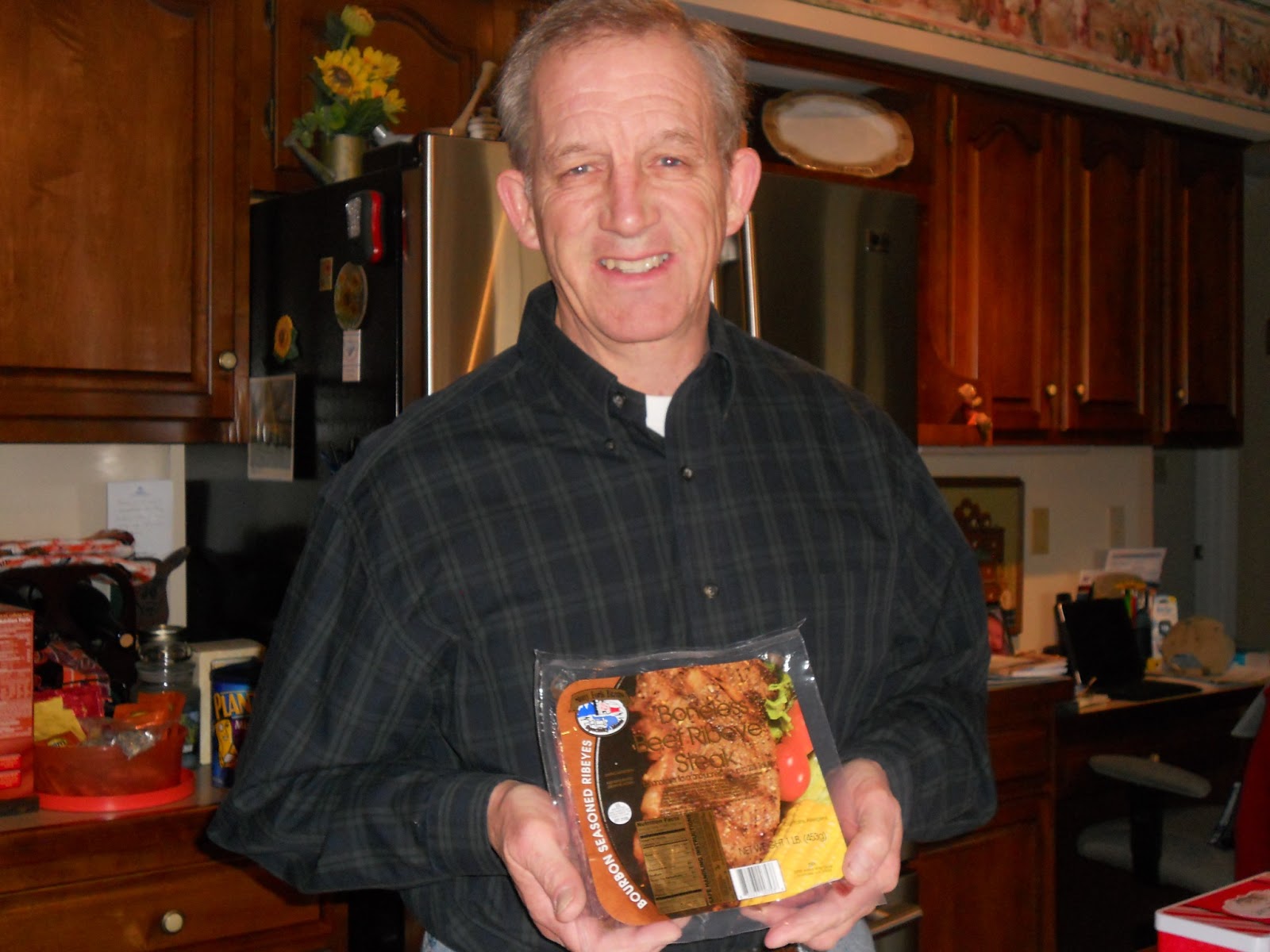
From the Field: Celebrate National Heart Month with Beef
From the Field is a bi-monthly column written by Mark Campbell, Farm Bureau Field Services Director for the Central District. He writes about Farm Bureau member benefits and County Farm Bureau activities.
February is National Heart Month and people are urged to be more conscious of a heart healthy lifestyle. The American Heart Association cites seven steps to have a healthy heart. They are:
1) Engage in regular physical activity,
2) Eat a healthy diet,
3) Maintain a healthy weight,
4) Don’t smoke,
5) Control cholesterol,
6) Manage blood pressure, and
7) Keep blood sugar at healthy levels.
The good news is that lean proteins such as beef, pork, and poultry can be a part of this.
I want to share with you exciting news about the benefits of beef in a heart healthy diet. It used to be that medical professionals and nutritionists discouraged consumption of red meat. But a study published in the American Journal of Clinical Nutrition called “Beef in an Optimal Lean Diet” or “BOLD” showed beef’s role in a heart healthy diet. The biggest take away from this study is that adding lean beef to a heart healthy diet reduces LDL “bad” cholesterol by 10 percent.
The BOLD diet includes 4 ounces of lean beef daily. New research and data are leading to more physicians and nutritionists recognizing that lean beef does play a role in a healthy balanced diet. The BOLD study also demonstrated that a diet including lean beef every day was as effective at lowering total and LDL “bad” cholesterol as the gold standard heart healthy diet DASH (Dietary Approaches to Stop Hypertension). The BOLD diet is similar to DASH in that it includes vegetables, fruits, whole grains, nuts, and beans. But the BOLD diet uses lean beef as the primary protein source.
What about the fat? Half of the fat in a cut of beef is monounsaturated, the same type found in salmon and olive oil. The other half that is saturated, 1/3 of that is stearic acid, which has a neutral effect on blood cholesterol levels. The beef community has made great strides in providing leaner products for the consumer. There are now more than 29 beef cuts that meet the government guidelines for lean. Some of those include the t-bone steak, tenderloin, new york strip, and 95 percent lean ground beef. Beef is also nutrient dense, specifically in protein, zinc, iron, and B vitamins.
The website www.beefnutrition.org has lots of information. There are also some downloadable fact sheets that you could hand out to your friends and neighbors. That can be another way to be an advocate for agriculture. Production practices and humane treatment aren’t the only areas that we agriculturalists need to promote. We also need to promote the nutritious and healthy aspects of our food products–whether you sell wholesale or retail; you are a food producer. Therefore, nutrition has to be a component of your promotion. What better way to promote National Heart Month than to share the good news about the healthy and nutritious benefits of beef.
So be BOLD by including beef in your diet and sharing the information with your friends and family.
Until next time,
Mark
Farm Bureau’s Martha Moore appointed to Rural Jobs Council
· David Brash, Senior Vice President of Business Development and Rural Strategy, Wellmont Health
· Elizabeth Crowther, President, Rappahannock Community College, Saluda
· Katie Frazier, President, Virginia Agribusiness Council, Richmond
· Timothy Heydon, CEO, Shenandoah Growers, Harrisonburg
· Rebecca Hough, Co-Founder and CEO, Evatran, Wytheville
· Thomas Hudson, President, Virginia Coal Association, Richmond
· Delegate Danny Marshall, Danville
· Ned Massee, Chairman, Virginia Chamber of Commerce, Richmond
· Delegate Don Merricks, Martinsville
· Martha Moore, Vice President for Government Affairs, Virginia Farm Bureau Federation, Richmond
· Delegate Israel O’Quinn, Abingdon
· Bill Parr, Parr Properties, Cape Charles
· Senator Phil Puckett, Tazewell
· Delegate Margaret Ransone, Kinsale
· Nicole Riley, State Director, National Federation of Independent Business, Richmond
· Senator Frank Ruff, Clarksville
· Brett Vassey, President and CEO, Virginia Manufacturers Association, Richmond
· William Wampler, Executive Director, New College Institute, Martinsville
· Delegate Onzlee Ware, Roanoke
What is Hydraulic Fracturing?
Hydraulic Fracturing is another issue Virginians have turned their attention to.
Virginia Farm Bureau members have been invited to watch a 30-minute free webinar to learn the basics of what hydraulic fracturing. Rayola Dougher, a senior advisor at American Petroleum Institute (API), will describe the process and talk about many myths and truths you have been hearing about. And she promises to only use terms that we can all understand. Questions will be answered at the end.
The webinar will cover these frequently asked questions: What is hydraulic fracturing? What are the facts and myths behind this 60-year old drilling process that has been used in over 1 million wells? What role is hydraulic fracturing playing in the country’s new energy boom that is creating so many new jobs, government revenues, and economic growth?
Pre-registration is required and viewers will be limited.
Title: What is Hydraulic Fracturing
Date: Wednesday, Feb. 6
Time: 1 p.m.-1:45 p.m.
Go here to register: https://www1.gotomeeting.com/register/682924673
After registering, you will receive a confirmation email containing information about joining the webinar
Writing Effective Messages to your Legislators
Farmers have until May to implement SPCC Plan
From the Field: Legislative Day at the Capitol
![]() |
| Pittsylvania County Farm Bureau member Tommy Motley and Andrew Smith from Governmental Relations meet with Delegate Rick Morris at the Farm Bureau Legislative Reception. |
Shenandoah County man wins national Farm Bureau honor
![]() |
| Dana Fisher Photo by Sara Owens |
Dana Allen Fisher of Shenandoah County was named the winner of this year’s American Farm Bureau Federation Young Farmers and Ranchers Excellence in Agriculture Award. He was recognized Jan. 14 at the AFBF Annual Convention in Nashville, Tenn.
“We couldn’t be more proud of Dana and all of our Young Farmers Program participants. It’s great to see that they are receiving national recognition for all of their hard work and accomplishments,” said Virginia Farm Bureau Federation President Wayne F. Pryor. “Young farmers and other young ag professionals are the key to agriculture’s future, and Dana is working hard to make sure agriculture prospers.”
Fisher is an agriculture instructor who teaches classes in leadership, horticulture and natural resources. He also is an FFA advisor and has served on the FFA Foundation board in several roles. He chairs his county Farm Bureau’s Young Farmers Committee and has served on the VFBF Young Farmers Committee for the past three years.
The Excellence in Agriculture Award recognizes young adults who do not derive the majority of their income from an agricultural operation but actively contribute and grow through their involvement in agriculture, their leadership abilities and participation in Farm Bureau and other organizations.
Fisher will receive his choice of a 2013 Chevrolet Silverado or a 2013 GMC Sierra, courtesy of GM, and registration for this year’s AFBF Young Farmers and Ranchers Leadership Conference.
Virginia Farm Bureau supports current provisions of Right to Farm Act
Many of you have heard through the media or seen through e-mails information on HB1430 (Lingamfelter) which amends the Right to Farm Act.
Virginia Farm Bureau is opposed to HB1430 based on policy voted on by our farmer members through our grassroots process. While the bill may seem appealing in sound bytes, it drastically expands the Right-to-Farm beyond its original purpose of protecting bona fide agricultural operations. The Right-to-Farm Act is an agreement between local governments and the agricultural community; by expanding these protections without buy-in from all stakeholders, it increases the chances of losing the current protections that the Code section provides.
The provisions of HB1430 would allow:
-art, literature, artifacts, and any other items to be deemed part of an agricultural operation if they make up 50% or less of the gross sales. This opens the Right to Farm act to allow stores, restaurants, museums, and other buildings to be built by-right on agricultural land;
-the bill would undermine current zoning laws in localities where the county government has passed ordinances to promote agriculture and agritourism in the locality;
-citizen suits to be brought against county officials or employees where they would be held personally liable for enforcement of county ordinances; and,
-expand the Right to Farm beyond the intent of bona fide production of agricultural products. This is the intent of the agreement between the agriculture community and the localities to ensure that true agricultural production practices not be hindered by the locality. Since HB1430 allows essentially anything to be built on agriculturally zoned land, it would increase the chances of losing the protections we already have with the Right to Farm in the future.
We are working with the patron and representatives of local government to see if there is some common ground that can be found on language to amend this specific Code section. If not, we are committed to working throughout the year with all stakeholders involved to find compromise language that protects legitimate production agriculture and value-added operations that may occur on agriculturally-zoned land.
Vilsack Sounds off on Short-Term Farm Bill
![]() |
| Vilsack |