 From American Farm Bureau:
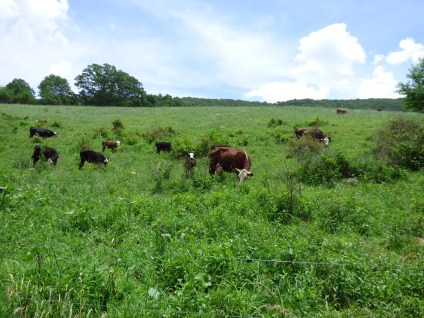
On June 12, 2017, the final protocols were released for shipping U.S. beef to China. Of the requirements listed, a few highlights include:
- Beef and beef products must be derived from cattle that were born, raised, and slaughtered in the U.S., cattle that were imported from Canada or Mexico and subsequently raised and slaughtered in the U.S., or cattle that were imported from Canada or Mexico for direct slaughter;
- Cattle must be traceable to the U.S. birth farm using a unique identifier, or if imported to the first place of residence or port of entry;
- Beef and beef products must be derived from cattle less than 30 months of age;
China also bans the use of growth promotants, feed additives, and chemical compounds; and will conduct residue testing at port of entry on shipments of beef. This is one more important step forward to market access that could have a lot of potential for U.S. beef producers. Continue reading
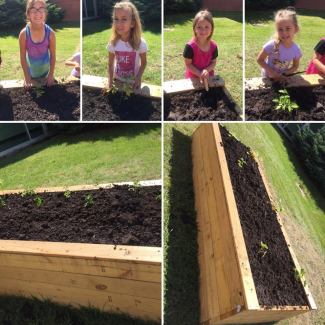 Craig County Farm Bureau has won a $500 American Farm Bureau Women’s Leadership Program “Our Food Link” grant to fund a school garden project in their county.
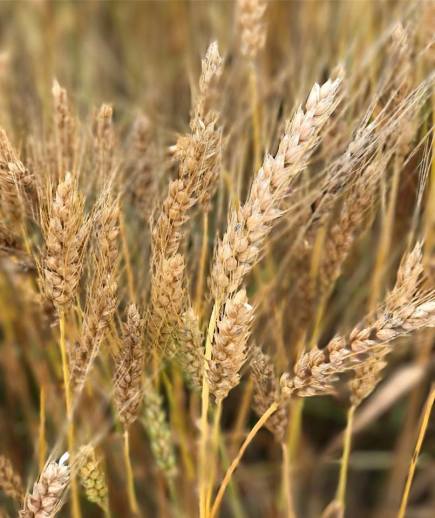 Assessments of the state’s current wheat crop left participants in the second annual Virginia Wheat Tour optimistic last week.
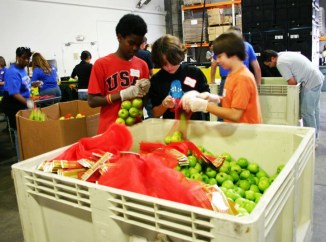 Virginia farmers have an incentive to donate excess product to nonprofit food banks thanks to the Food Crop Donation Tax Credit. Approved by the Virginia General Assembly during the 2016 Session, farmers who donate edible food crops to a nonprofit food bank can receive up to a 30 percent tax credit for their donation.
 From Herman Ellison, State Statistician, National Agricultural Statistics Service:
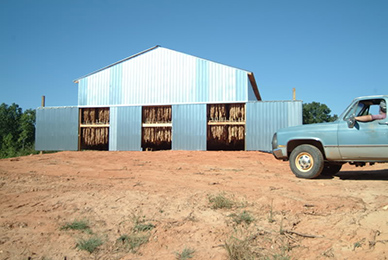 The Food and Drug Administration (FDA) is proposing to limit the content of N-Nitrosonornicotine (NNN) in finished smokeless tobacco products (STP) in order to reduce the risk of cancer associated with STP use. The proposed standard would limit NNN levels to 1.0 mg/g (1 ppm) or less in moist smokeless tobacco, chewing tobacco, dry snuff and other STP throughout the finished product’s labeled expiration date. According to FDA and other data most STP sold in the U.S. do not meet this standard.
 Lindsay P. Reames has been appointed to the position of Assistant Secretary of Agriculture and Forestry. Lindsay most recently served as Manager of Animal Care & Sustainability for Maryland & Virginia Milk Producers Cooperative Association, leading their animal care and sustainability initiatives. Previously she served as Assistant Director of Governmental Relations for Virginia Farm Bureau Federation. Lindsay earned her Master of Public Administration and her Bachelor of Science in Agricultural and Applied Economics from Virginia Tech. Lindsay and her family operate their Amelia County farm, which raises beef cattle, corn, soybeans and hay.
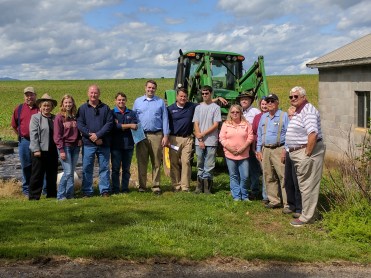 Mark Campbell: Bedford County Farm Bureau and the Young Farmers hosted a “Meet Virginia Agriculture” event on May 13th. The event was originally initiated by an idea from Delegate Scott Garrett for legislators to learn first-hand about farms and the business of farming along with challenges and opportunities.

 Plows and Politics