 A new national report found that Virginia agriculture could grow by 18% if broadband technology is extended to underserved communities.
“In the western part of the state and elsewhere you have huge spots where they not only don’t have high-speed internet, where they can’t upload the quantity of data, they also don’t have access in general,” said Ben Rowe, national affairs coordinator for the Virginia Farm Bureau Federation.
The U.S. Department of Agriculture report A Case for Rural Broadband argues that farmers in rural America need access to broadband for high-speed uploads and downloads. The Federal Communications Commission defines broadband as 25 megabits per second download speed and 3 megabits per second upload speed. Even a farmer with that level of broadband would spend significant time waiting to upload photos.
In Virginia, 28.9% of rural residents do not have broadband access, according to the FCC.
 Governor Ralph Northam today announced the availability of $73 million to protect water and soil health through the

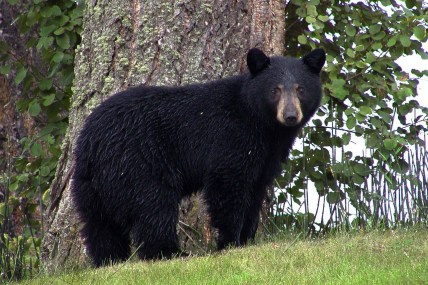 A workshop on integrated predator management will be held June 4 from 8 a.m. to 12:30 p.m. at Randolph Farm Pavilion, 4415 River Road, Petersburg, Va. A diverse panel of speakers from the Virginia Department of Game and Inland Fisheries and the USDA Wildlife Services Program will discuss the biology and management practices for wildlife species that affect agriculture in central Virginia. Presentations will include information on geese, vultures, and feral swine; coyote and furbearer biology; bear management in Virginia; and livestock protection methods.
 First responders will soon get the chance to learn about handling livestock during natural or man-made disasters.
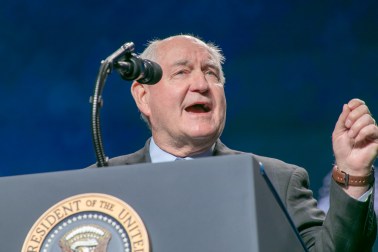 U.S. Secretary of Agriculture Sonny Perdue has announced that USDA will take several actions to assist farmers in response to trade damage from retaliation and trade disruptions. Up to $16 billion will be available for direct payments to farmers, commodity purchases and promotion programs. $14.5 billion will be spent on direct payments, with $1.4 billion being used for food purchase programs and $100 million for new export market promotion programs. Foreign donations of commodities are not part of this effort. Funds for this program will come from the Commodity Credit Corporation (CCC).
 During the next several weeks, the U.S. Department of Agriculture’s National Agricultural Statistics Service will conduct two major mid-year surveys, the June Agricultural Survey and the June Area Survey. The agency will survey 2,000 farms across Virginia to determine crop production and supplies levels in 2019.
 Virginia farmers earned $4 billion from the sale of all agriculture products in 2017, and half of that income was generated in the state’s top 10 ag counties, according to recently released findings from the 2017 Census of Agriculture.
