Check out this week’s Merchandiser Minute!
Uncategorized
General Assembly Update- Week 3
It was another busy week at the General Assembly for Farm Bureau! Andrew and Stefanie break it all down for you below.
Survey Will Document Farmers’ Conservation Measures
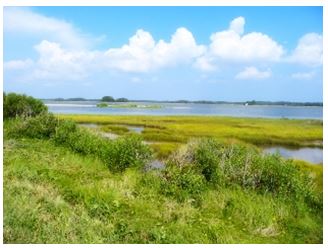
Data from a new agricultural best management practices survey will help document Virginia farmers’ voluntary soil and water conservation efforts. Virginia Farm Bureau Federation is sending its producer members in the Chesapeake Bay watershed a link to the online survey; producers are asked to complete the survey by March 12.
Farmers in the bay watershed must meet certain nutrient reduction goals by 2025 to avoid mandatory conservation practices. The “Voluntary Agricultural Best Management Practices Inventory” will collect details about voluntary farm practices like planting cover crops, installing stream fencing for livestock, and applying nutrient management plans.
The confidential survey was designed by members of Virginia’s Voluntary Agricultural Best Management Practices Task Force. Virginia Cooperative Extension will integrate verified survey results into the state’s reports to the Environmental Protection Agency for documenting nutrition reduction loads required under Virginia’s Phase III Watershed Implementation Plan.
For more information about the survey, frequently asked questions, or to access the survey link online, please visit https://vaswcd.org/virginia-farm-voluntary-agricultural-bmp-inventory. Participants are asked to submit their responses by March 12, 2021.
Experts Predict a Bright Outlook for Va. Beef Cattle Market This Year

Cattlemen and beef consumers went on a roller-coaster ride in 2020, but the outlook for beef cattle production and consumption is looking brighter this year.
Industry experts at a Jan. 12 workshop during the 2021 American Farm Bureau Federation Virtual Convention discussed how the COVID-19 pandemic sent consumer prices skyrocketing last spring as farm prices plummeted. But both prices returned to near previous-year levels quicker than expected.
By the end of 2020, “we were able adjust and get back over” the pace set the year before for processing cattle and hogs, shared Michael Nepveux, an AFBF economist. He noted that in early May, American beef production dropped 34% below the same time in 2019 due to panic food buying in supermarkets and health concerns in processing plants. In November 2020, away-from-home food sales totaled $50 billion, a 20% decline from 2019. Grocery store sales totaled $63 billion in the same period, well above pre-pandemic levels.
Continue readingRockingham County educator named AITC Teacher of the Year
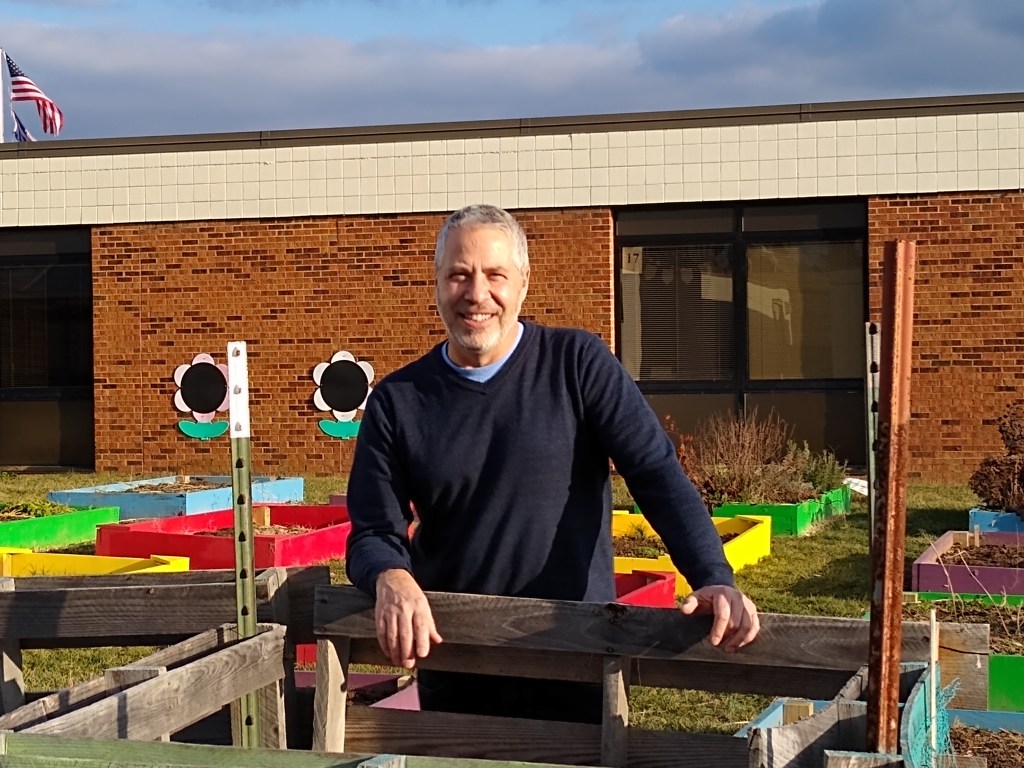
Phil Satolli, a first grade teacher at Lacey Spring Elementary School in Rockingham County, has been named Virginia Agriculture in the Classroom 2021 Teacher of the Year.
The award recognizes a Virginia educator for incorporating agriculture into his or her core curriculum.
Satolli integrates agricultural topics into his teaching, and his passion for gardening has led him to create real-life learning opportunities for his students. He established a school-wide composting project and raised-bed garden, which help teach his students about amending garden soil, cultivating their own food, and harvesting and cooking the foods they grow.
Satolli’s first graders help educate other students and staff on the benefits of composting, and the project has converted nearly 2 tons of the school cafeteria’s food waste into usable compost. Students in all grades have opportunities to work in the school garden, planting a variety of vegetables, herbs and flowers.
Continue readingGovernor Northam Announces More Than $29.6 Million to Expand Broadband Access

Governor Ralph Northam has announced that Virginians living and working in 11 localities will gain access high-speed internet thanks to more than $29.6 million in grants awarded through the Virginia Telecommunication Initiative (VATI). The funding will support five projects, connecting more than 11,700 households, businesses, and anchor institutions to broadband service, and leveraging over $34 million in private and local investments.
Administered by the Department of Housing and Community Development (DHCD), VATI provides targeted financial assistance to extend broadband service to areas that are currently unserved by a provider. In his 2020 budget, Governor Northam made an historic investment of nearly $50 million in VATI funding. His proposed budget invests an additional $15 million in fiscal year 2022 to maintain this significant level of funding.
Continue readingVirginia Farm Bureau 2021 General Assembly Update: Week 2
Week 2 of the Virginia General Assembly is in the books! Get an update on the bills the GR Team worked on this week from Stefanie and Andrew below.
Merchandiser Minute- Jan. 22, 2021
Check out this week’s Merchandiser Minute.
Livestock and Poultry By Contract Growers Now Eligible for CFAP2

USDA has announced additional assistance for agricultural producers who continue to face market disruptions and associated costs because of COVID-19. Signup for the Coronavirus Food Assistance Program (CFAP2) – Additional Assistance began January 19 and will run through February 26, 2021.
The additional assistance will be used to update payments to accurately compensate producers who already applied for earlier assistance and to expand CFAP eligibility to producers and commodities. Details are located at https://www.farmers.gov/cfap. Producers can modify applications or apply for CFAP2 at USDA’s Farm Service Agency (FSA) county offices. For details on how to modify or submit a new CFAP2 applications, visit www.farmers.gov/cfap/apply.
Updated Payment Calculations
CFAP additional assistance includes changes to more accurately compensate producers who already applied for the program. Producers of certain commodities may be eligible for higher payments.
Continue readingU.S. Paycheck Protection Program – Farms are Eligible
The Paycheck Protection Program (PPP) is a guaranteed loan program for small businesses to keep their employees on the payroll. Eligible businesses include nonprofits, veterans, organizations, tribal business concerns, sole proprietorships, self-employed individuals and independent contractors with 500 or fewer employees. It is our understanding that this help does not apply to foreign workers under the visa programs like H-2A.
The Paycheck Protection Program (PPP) now allows certain eligible borrowers that previously received a PPP loan to apply for a Second Draw PPP Loan with the same general loan terms as their First Draw PPP Loan. New borrowers to the program may also be eligible.
This second round of PPP loans includes improvements that can benefit farmers:
- Allowable expenses that had been paid for with forgiven PPP loans may be taken as a business deduction for income tax purposes without limitation.
- The qualifying reduction in gross revenue was reduced from 50% to 25% between comparable quarters in 2019 and 2020. This much-needed change for producers who suffered multiple years of losses expands the number of farms that can qualify to participate.
- Gross income, instead of net farm income, will now be used for the loan requirement calculation for farmers who file as sole proprietors will allow many more producers to participate.
 Plows and Politics