Pittsylvania County Farm Bureau Member Graduates From AFBF Boot Camp

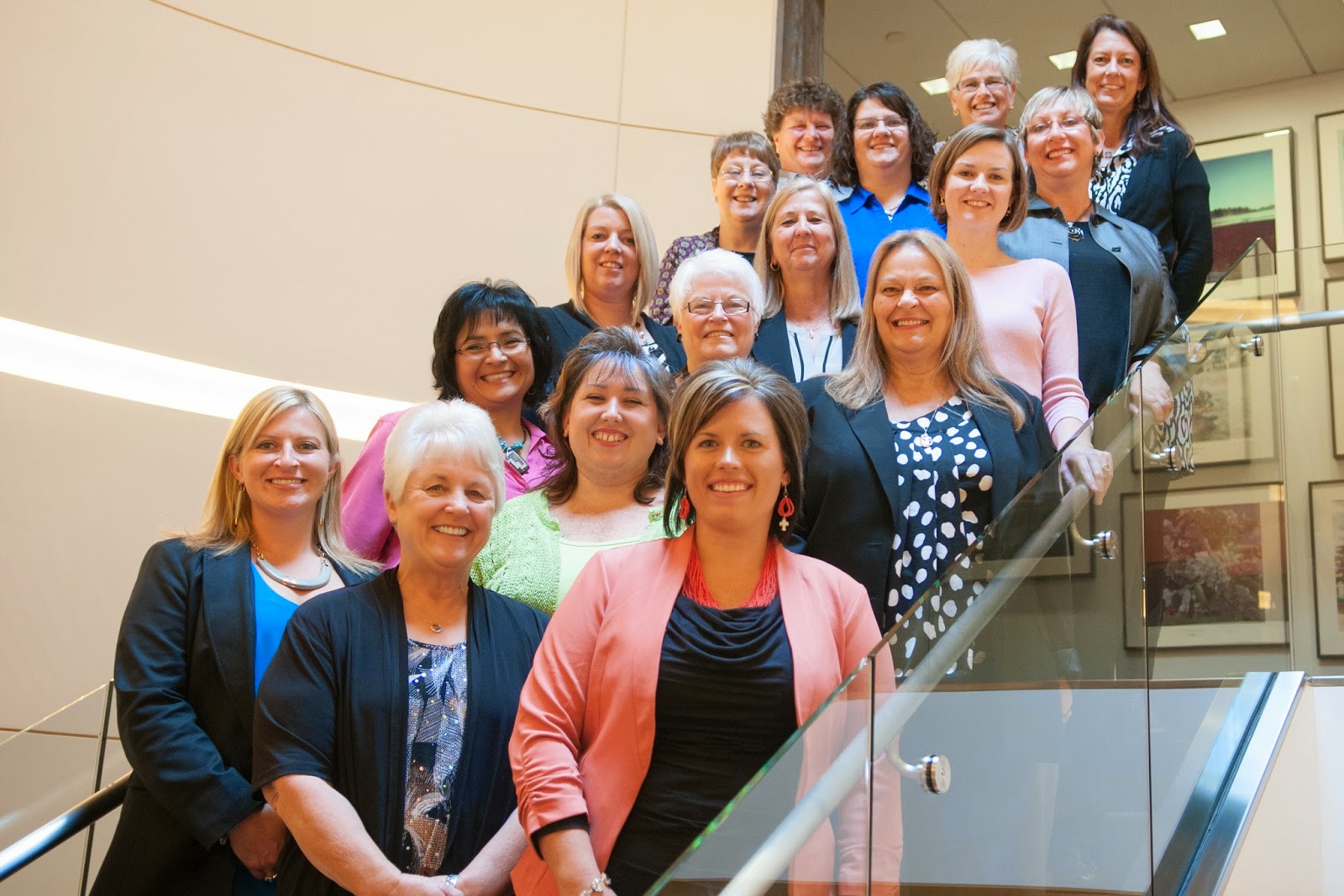
Vertical row left (top to bottom): Beth Blevins, DVM, Montana; Kaye Peterson, Kentucky; Rebecca Smith, Tennessee; Anita Hand, New Mexico; Amelia Kent, Louisiana. Vertical row middle (top to bottom): Debra Walsh, Indiana; Kristal Harris, Virginia; Linda Fawn Courville, Louisiana; Joan Myers, Pennsylvania; Elaine Avery, Georgia; Nancy Caywood, Arizona. Vertical row right (top to bottom): Valerie Ansell, Florida; Susan May, Kansas; Jamie Tiralla, Maryland;  Judy Bare, North Carolina; Raenell Edsall-Taylor, Wyoming.
The American Farm Bureau Federation honored a group of 16 farm leaders as graduates of the organization’s eighth annual Women’s Communications Boot Camp. The agricultural leaders were recognized after completing an intensive three-day course featuring sessions on working with the media, public speaking, testifying, messaging and seeking elected office.

“It’s more important than ever that farmers and ranchers make connections with consumers as they’re having conversations about how food is grown,” said Terry Gilbert, a Kentucky farmer and chair of the American Farm Bureau Women’s Leadership Committee. In Farm Bureau, Gilbert explained, it’s often women members who step up as communicators, “serving the critical function of representing their farms and agriculture in speaking with the public and reaching out through social media.”

This year’s Boot Camp graduates are: Valerie Ansell, Florida; Elaine Avery, Georgia; Judy Bare, North Carolina; Beth Blevins, DVM, Montana; Nancy Caywood, Arizona; Linda Fawn Courville, Louisiana; Anita Hand, New Mexico; Kristal Harris, Virginia; Amelia Kent, Louisiana; Susan May, Kansas; Joan Myers, Pennsylvania; Kaye Peterson, Kentucky; Rebecca Smith, Tennessee; Raenell Edsall-Taylor, Wyoming; Jamie Tiralla, Maryland; and Debra Walsh, Indiana.

The AFBWLC, under the leadership of Gilbert, sponsors the Women’s Communications Boot Camp. The program is open to all women involved in Farm Bureau.

Governor McAuliffe Announces Actions on the FY2015 Budget

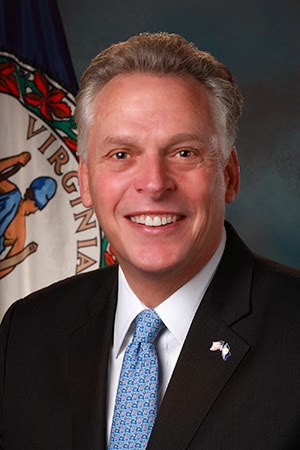
Governor Terry McAuliffe has announced the savings actions he will execute to eliminate the revenue shortfall in the Virginia budget for Fiscal Year 2015.
Due to revenue collections that came in under the budget projection set in 2013, the Governor asked executive branch agencies to submit budget reduction plans of 5% for Fiscal Year 2015 and 7% for Fiscal Year 2016 in order to close an $882 million budget deficit. Today’s announcement focused on the Governor’s budget reduction strategies for FY2015. 
“Making these budget reductions has been the most difficult experience of my term so far,” said Governor McAuliffe.  “In a government as lean and well-run as ours, there are few spending cuts you can make without impacting the lives of Virginians. The goal was to keep lay-offs to a minimum and protect our core services. The budget I present in December will be a sound and balanced approach to navigating the challenges we face and building a foundation for a stronger economic future.”
Below are a copy of the Governor’s prepared remarks.

 Governor’s Remarks – Budget Savings Plan Announcement

Good Morning.  Thank you for being with me here today.
Today, I am here to announce my actions on the budget for fiscal year 2015.  After much deliberation, discussions and hard decisions, I am presenting today the approved budget savings plan. 
Before I begin, I want to discuss the process, which is almost as important as the outcome. 
When I came into office in January, I promised to work together with the General Assembly to find common ground on issues of importance to all citizens of the Commonwealth.    From SOL reform to transportation prioritization to job creation, we came together to make Virginia a better place to live, work and prosper. 
Toward the end of the fiscal year, we started to see revenues not meet the forecast set out in 2013, before I took office.  This would create a shortfall for fiscal year 2014. 
I took immediate action.
First, I notified the leadership of the money committees and promised to work with them every step of the way to fill this shortfall.
Second, I directed all agencies to be prudent and curb any excess spending.
The General Assembly created budgetary reserves totaling $846 million in the current Appropriations Act.  In addition, $705 million could be withdrawn from the Revenue Stabilization Fund during the two year period.  These two items provide a “cushion” of $1.55 billion to address the revenue shortfall.   
Unfortunately, this wasn’t enough. 
The total shortfall in the new interim forecast is projected to be $2.4 billion. This means the problem remaining is $882 million.   Of this amount, $346 million will have to be found in this fiscal year, while $536 will be needed in fiscal year 2016. 
On August 15th, I asked all agencies to submit budget reduction plans of five percent in fiscal year 2015 and seven percent in fiscal year 2016.  These plans were due on September 19th to my office. 
During this time, I worked closely with the leadership of the General Assembly to set out the parameters for the cuts.  The outcome was HB 5010, a supplemental appropriations bill that outlined the process and the amount of cuts from four areas:
  • From executive branch agencies, $92.4 million in FY15 and $100 million in FY16
  • $45 million each year from higher education
  • $30 million each year from local governments
  • $102 million in unobligated balances in FY15 and $262 million in FY16

 In addition, the bill authorized use of the Revenue Stabilization Fund for both fiscal years 2015 and 2016. 
I asked for three things to be a part of HB 5010, and I am glad to see they were all included in that legislation. 
The first request was that there would be no cuts to K-12 education in the first year.  We need to protect our core services including K-12.  All school divisions have already started the school year with a set budget adopted last spring. 
It would be irresponsible to make changes now.
Second, I asked that the money designated for “A Healthy Virginia”, my healthcare access plan, be preserved.  This bill gives me flexibility to utilize the remaining balance in the Health Care Fund to move forward with these much needed initiatives.
Finally, this budget bill allows me to reallocate $5 million for economic development and workforce training – both top priorities of mine.   
Making these decisions today has been an exhaustive process.  We have worked hard over the past few weeks to get to where we are today.  Some initial options were unacceptable, and we had to ask for a different strategy. 
My goal was to keep lay-offs to a minimum and protect our core services.  The 565 lay-offs that will result from these actions comprise just half a percent of our state workforce of 120,000 full time equivalents, both wage and salary. Ninety percent of these lay-offs are from the Department of Corrections alone. 
I have been working with the Department of Human Resource Management and have put a plan in place to give these individuals the resources they need to find future employment.  Had we not prioritized state employee jobs, this situation could have been far worse. 
In addition to our efforts limiting layoffs, these are some of the other themes that define the actions we are announcing today:
  • We are improving business practices and efficiencies
  • We are eliminating unneeded contractors, including outside consultants and attorneys. 
  • We are leaving vacant positions unfilled. 
  • We are using nongeneral fund money instead of general funds when feasible and allowed by law or contract. 

 Specifically, we are doing the following:
  • For Department of Corrections, we are closing a correctional facility, a community corrections residential facility, a diversion center and delaying the opening of a women’s correctional facility.   This equates to $4 million in savings for FY 15
  • In the Department of Social Services, we are using one-time child care remaining balance of $2.7 million
  • For state police, we are selling one airplane and only filling 27 out of the 68 vacant trooper positions.  In addition, the state police will find an additional $4 million in operational efficiencies
  • For ABC, we are increasing the product mark-up on distilled spirits resulting in $2.5 million.  

 On December 17th, I will present to the General Assembly the budget for fiscal year 2016. 
We will continue to review the 7% cuts in the second year, and I am not ready to make these decisions at this time. 
I have asked my staff to look at alternatives. Let me be clear – everything is on the table.
If we can preserve core services that Virginians need by adjusting fees or eliminating tax preferences, we should. The budget I present in December will be a sound and balanced approach to navigating the challenges we face and building a foundation for a stronger economic future. I have enjoyed a strong working partnership with the leadership of the General Assembly on these issues so far, and I am looking forward to continuing our collaborative work in the 2015 session.
Making these budget reductions has been the most difficult experience of my term so far. In a government as lean and well-run as ours, there are few spending cuts you can make without impacting the lives of Virginians.
While this budget plan represents a sensible approach, I am cautiously optimistic about the fiscal future ahead. Some areas of the economy are recovering slowly while other areas remain stagnant. It is my hope that we have set our revenue estimate low enough that our slow recovery may boost our budget to the point where we could begin to undo some of these cuts and strengthen the investments our economy needs. But until we actually see that happen, we have a responsibility to remain cautious in the face of an uncertain future.
Later today I will meet with the Joint Advisory Board of Economists (JABE) to seek their council.  I will heed their advice as well as the Governor’s Advisory Council on Revenue Estimates when they meet on November 24th.  
While I believe they too will remain cautious, the news has not been all bad. As we announced yesterday, preliminary total revenues for the month of September were up 5.3 percent and through the first quarter of fiscal year 2015 they are up 6.7 percent, ahead of the annual estimate of 2.9 percent. 
This is the first time revenues have increased three months in a row since the second quarter of calendar year 2013. 
Payroll withholding came in strong with 8.3 percent for the month due to an additional deposit day.  Sales tax collections are up about 3.5 percent for the month and are up 4.6 percent for the quarter.  This is ahead of the projected growth of 4.4 percent.
Recordation taxes finally had a positive month after falling for 13 straight months.  We saw a 1.9 percent growth in the month of September.
Even though this is positive news, we need to be prudent in the fiscal decisions we make. 
As we saw last year, an unexpected revenue decline could be just around the corner. In the midst of uncertainty over sequestration and the federal budget, we have an obligation to prepare Virginia as much as possible for the reduction in federal spending that we know is coming.
The reductions we are announcing today are a short-term response intended to insulate Virginia from the possibility of even further cuts. And in the long-term, as I have said before, we must work together to grow and diversify our state economy so that we are no longer subject to Washington uncertainty.
And so my focus will remain on building a new Virginia economy that is stronger, more independent and more resilient. My administration is hard at work pursuing that goal on all fronts.
We are working to strengthen our education and workforce development system so that we are giving every student the skills he or she needs in a 21st Century economy.
Yesterday, we unveiled the 2014 Virginia Energy Plan, which will help drive our economy into the future by growing key sectors like wind, solar, nuclear technology and natural gas so that we can offer businesses the cheapest, cleanest and most abundant energy in the nation.
We are continuing to grow and strengthen our transportation infrastructure in ways that encourage economic growth and raise Virginia’s quality of life.
Our outstanding quality of life, world class workforce and outstanding infrastructure are real assets.  And so is Virginia’s long-standing reputation for sound management, even in the face of difficult situations.
This budget shortfall is not what I had hoped to be dealing with in my first year as Governor, but I am proud of the manner in which leaders on both sides of the aisle came together to address it.
Thanks to the hard work of Secretary Ric Brown and his team, who worked alongside Chairmen Colgan, Stosch, Jones and their staff, we are meeting these challenges in a way that protects our core assets, minimizes layoffs, and positions our Commonwealth for future growth.

While I know we all hope that the budget news from here forward will be more positive, all Virginians should be encouraged to know that their leaders are capable of coming together to get things done for the good of the Commonwealth. 
Shenandoah County Agriculture Educator Is 2015 Virginia Teacher of the Year

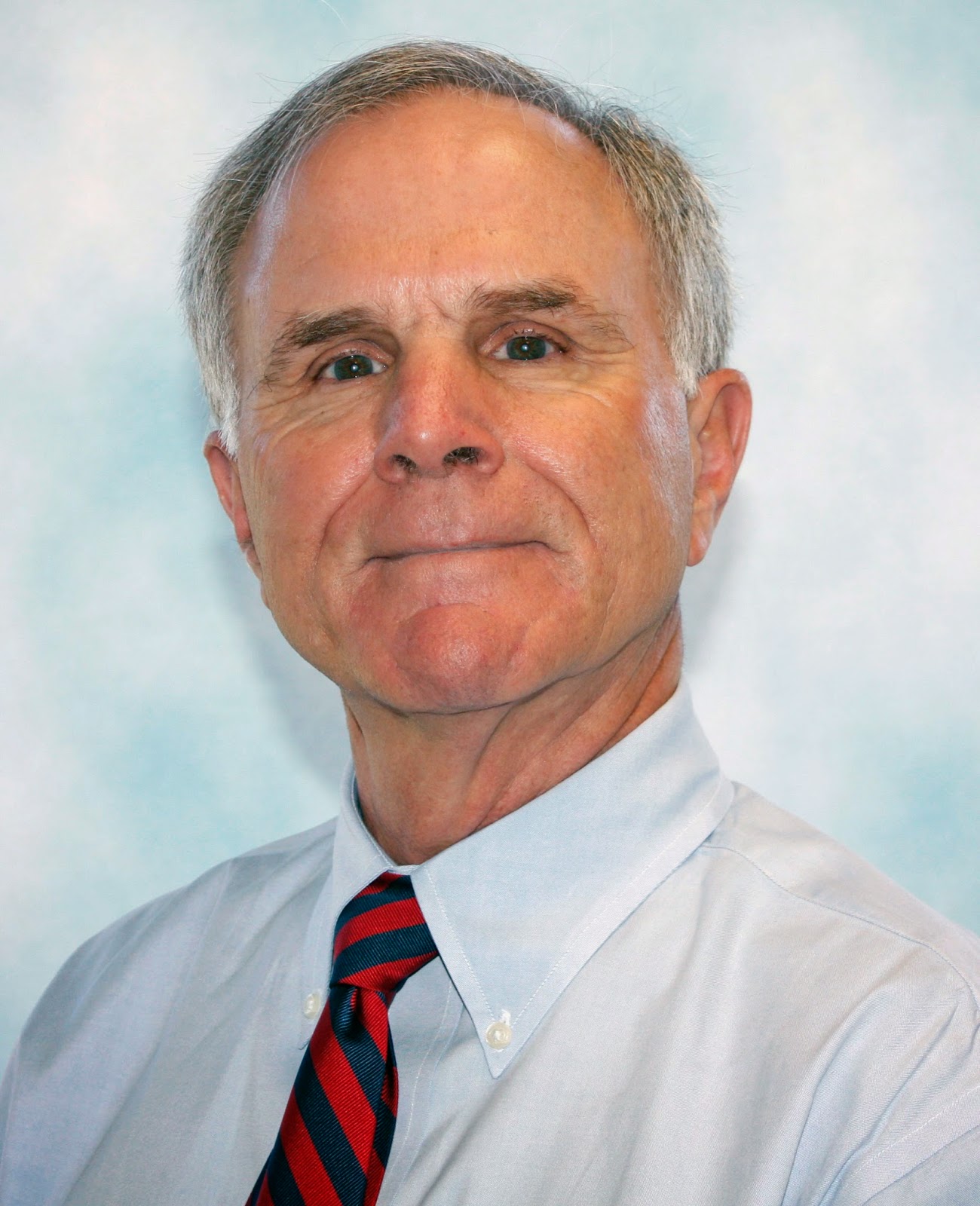
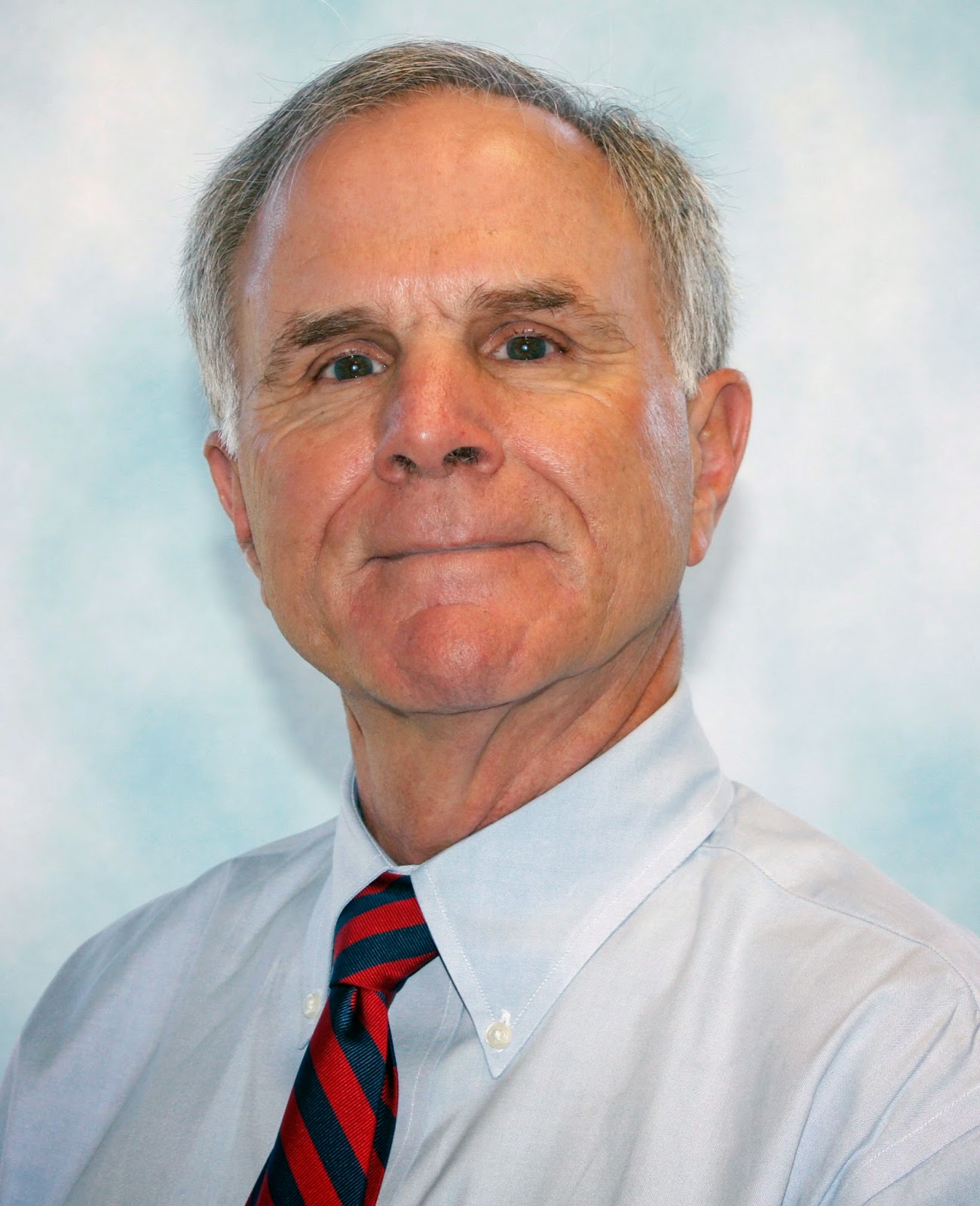
Jaclyn M. Roller Ryan, an agricultural education teacher at Signal Knob Middle School in Shenandoah County was named 2015 Virginia Teacher of the Year Friday evening in Richmond. Ryan was selected from eight Virginia Regional Teachers of the Year announced in September. She will be the commonwealth’s nominee in the Council of Chief State School Officers’ National Teacher of the Year Program.


Ryan, the Region 4 teacher, was selected after being interviewed by a committee that included representatives of professional and educational associations, the business community and 2014 Virginia Teacher of the Year and 2014 National Teacher of the Year finalist Melissa A. Porfirio of Fairfax.

The 2015 National Teacher of the Year will be announced next spring at a White House ceremony. Two previous Virginia teachers – B. Philip Bigler, the 1998 Virginia Teacher of the Year, and Mary V. Bicouvaris, the 1989 Virginia Teacher of the Year – went on to be named as a National Teacher of the Year.

As the 2015 Virginia Teacher of the Year, Roller received a $5,000 award and a commemorative ring from the Apple Federal Credit Union Education Foundation; a $2,500 award from Richmond law firm Allen, Allen, Allen & Allen; a classroom technology package from Smart Technologies ULC; a travel package from EF Education First; educational opportunities from several public and private colleges and universities; flowers from Coleman Brothers Flowers Inc.; an engraved plaque from Bunkie Trinite Trophies Inc.; a gift basket from C.F. Sauer Company; a gift from Blue Bell Creameries; and an engraved crystal apple. 

American Farm Bureau Releases Biotech Toolkit

Lindsay Reames
Assistant Director
Governmental Relations
Despite rapid adoption by farmers and a strong scientific consensus that it does not pose health and environmental risks, biotechnology faces regulatory burdens that can slow investment and innovation of new biotech traits. These regulatory challenges are starting to impact U.S. farmers’ international competitive advantage.  In addition, opponents of biotechnology routinely threaten the availability of new traits by blocking science-based regulatory decisions and advocating for labeling mandates.
Due to the pressure being applied by activist groups, we are continuing to see challenges in developing new technologies for agriculture. These groups are driving the narrative instead of those involved in agriculture.
Farm Bureau has developed the Biotech Grassroots Toolkit to help empower farmers to speak up about the importance of biotechnology and the need for having a choice in what production practices growers employ.  The toolkit will serve as a resource and one-stop shop for issues dealing with biotechnology. 
The toolkit includes resources such as downloads that tout the benefits of biotechnology, an action page which includes a draft civic club speech, and links to partner websites such as GMO Answers, USFRA and the Coalition for Safe and Affordable Food.
This resource will allow farmers to set the record straight. Whether meeting with community leaders or government officials and their staff, farmers will be able to correct misinformation about the impact of biotech crops, or “GMOs,” on agriculture. If preconceived notions about the harms that GMOs have caused growers are not corrected, then any information about their benefits will be weighed against these misconceptions.

The toolkit is found at www.fb.org/biotech. Feel free to use the information to educate folks on this important issue. 

Farm Bureau Urges Senate to Ditch Proposed Water Rule


The American Farm Bureau Federation is urging the Senate to tell the Environmental Protection Agency to withdraw its proposed Waters of the U.S. Rule and restore the integrity of the rulemaking process.
In a letter sent to all members of the Senate, AFBF cited a recent letter sent by the Small Business Administration’s Office of Advocacy to the EPA. After a thorough evaluation, the SBA office’s letter called on the EPA and the Corps of Engineers to withdraw the WOTUS rule.
“The SBA Office of Advocacy found that EPA and the Corps used conflicting and even incorrect data in order to claim minimal impacts on small business and that they cherry-picked the data used in their economic analysis,” AFBF wrote.
Farm Bureau has vigorously articulated its view that the EPA analysis of its proposed rule is flawed and the manner in which it has conducted this rulemaking is broken.
“The SBA Office of Advocacy has now validated our concerns,” Farm Bureau wrote. “Now is the time for all senators to join the bipartisan effort to have this rule withdrawn.”

A copy of the letter can be found here: http://www.fb.org/tmp/uploads/cwa-wotus-senate14-1006.pdf

VCE to Host Farm Succession Workshop Oct. 23 in Staunton

Virginia Cooperative Extension will present “Succession Solutions for Farm Families” on Thursday, Oct. 23 from 9 a.m. to 3 p.m. at the Staunton Holiday Inn – I-81, Exit 225.

Succession is the watershed issue facing America’s family farmers. Planning for a smooth ownership transition and preparing the next generation to lead is tough. Providing financial security and eliminating the estate tax can be complex and confusing. If multigenerational success is your goal, this presentation is for you.

In this session, participants will learn the five keys to preserving the farm, and passing a successful operation to a well-prepared next generation. During the session, you’ll learn about the planning process, good communication strategies, and how to overcome obstacles. Utilizing tips from this workshop will help ensure the farm remains in the family, provides financial security, and offers career opportunities for generations to come.

Workshop participants will gain the confidence and preliminary tools to seek succession solutions for their farm family.

Presenter Kevin Spafford is the founder of Legacy by Design, a firm dedicated to providing succession solutions for farm families. Over the last ten years, he’s spearheaded initiatives to improve the way farmers, ranchers, and agribusiness owners engage in the succession planning process.

In 2013, Legacy by Design introduced eLegacyConnect, an online succession planning community complete with action plans, resource library, forums, a roster of advisors, and many other features to help farm and agribusiness owners plan for the future. As the architect of the Farm Journal Legacy Project, Kevin has facilitated more than 100 live events benefitting thousands of farm families across the U.S. He involves audiences in experiences that encourage action and generate results.

He is proud to share succession planning principles for Virginia Cooperative Extension, with sincere appreciation to the workshop sponsors.

For more information, please call Rockingham County Extension Office: (540) 564-3080 or email: jdaubert@vt.edu

From the Field: Nelson County Farmer Named 2015 National Beef Ambassador

From the Field is a bi-monthly column written by Mark Campbell, Farm Bureau Field Services Director for the Central District. He writes about Farm Bureau member benefits and County Farm Bureau activities.


Below is BEEF Daily article by Amanda Radke on the 2015 National Beef Ambassador program. The National Junior Division winner was Phillip Saunders from Nelson County, who is a neighbor of mine, and I am friends with the Saunders family. Congratulations to him!

It’s hard to believe it’s been eight years since I served as a South Dakota and National Beef Ambassador. Beef Ambassadors is an elite team of young people selected as advocates to travel the country for one year, promoting beef, educating consumers about beef, and addressing misconceptions about beef. The 2015 National Beef Ambassador contest was held last week in Denver, and I’ll admit that the event left me feeling just a little bit nostalgic about my experiences with this great program. 

Thirty of the industry’s best young people competed in the senior and junior divisions this year. The winners in the senior division include: Rachel Purdy (Wyoming), Will Pohlman (Arkansas), Alicia Smith (Texas), Kalyn McKibben (Oklahoma) and Demi Snider (Ohio). In the junior division, the first-place winner was Phillip Saunders (Virginia), while Brett Lee (Louisiana) was second, and Abbey Schiefelbein (Minnesota) was third. The program is funded in part by the beef checkoff and managed by the American National CattleWomen, Inc., a contractor to the beef checkoff. 

When I competed in the contest eight years ago, the competition consisted of a simple speech and interview. Today’s contestants are judged in many areas that prepare them to become outstanding advocates for the beef industry. 

These include how well they can promote beef to consumers,their ability to answer questions from the media,their knowledge of the industry presented in addressing beef misconceptions in a letter-to-the-editor, and their efforts to educate students through ag-in-the-classroom projects. 

Sounds impressive, right? I believe the National Beef Ambassador Program is one of the best investments of our beef checkoff dollars. 

In the next year, these Beef Ambassadors will travel the nation promoting beef, answering consumer questions and serving as a voice for all of us ranchers back home. 

Not only do these young people support beef producers, but the program is a great way to build the future leaders of our industry. I certainly wouldn’t be doing what I’m doing today without the networking, travel experiences and training I received as part of the program. You can bet these rising stars have exciting careers ahead of them after their year is complete. 

You can follow their adventures on Twitter at @beefambassador, or check out the National Beef Ambassador Facebook page. 

Look for these ambassadors in the red shirts to be leaders in how we should respond to industry issues and the best way to reach the millennial audience. Congratulations to all 30 participants in this year’s contest. Thank you for all you do to promote beef! 

Have you seen Beef Ambassadors, past or present, in action? Take a minute to thank them or offer them words of advice in the comments section below, and I’ll be sure to pass your thoughts along. Thanks!