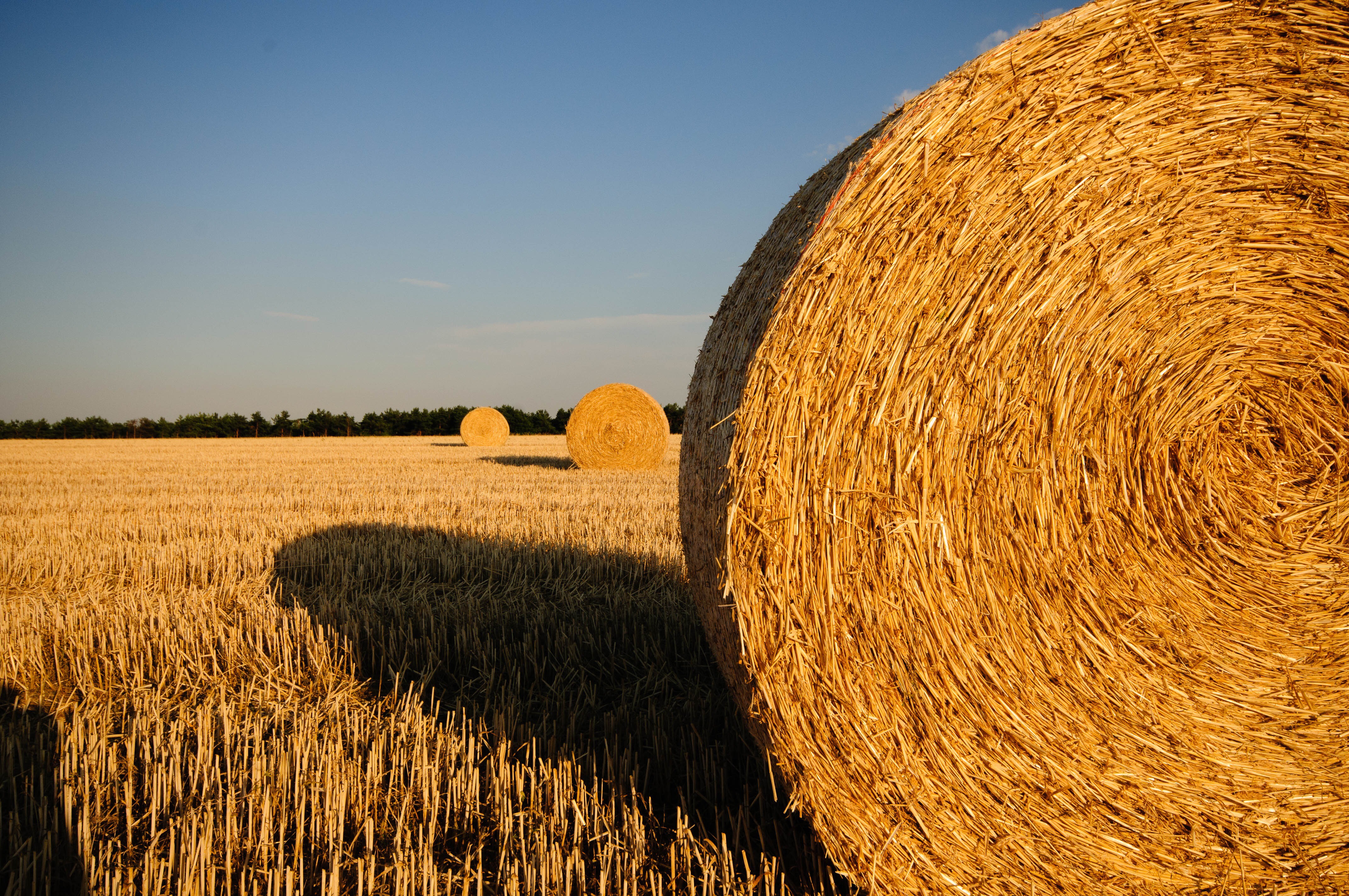
 New farmers, and those not previously contacted by the National Agricultural Statistics Service (NASS), have until the end of June to ensure they are represented in this year’s Census of Agriculture. To receive a census questionnaire this December, these producers are asked to visit the Census of Agriculture website at www.agcensus.usda.gov and click on the ‘Make Sure You Are Counted’ button today.
While on the website, producers can watch the census introduction video, access frequently asked questions, explore past and current data, and try the improved online census questionnaire demo. The updated online questionnaire, which will go live late fall, is now accessible on any electronic device. New features save time by calculating totals automatically and skipping questions that do not pertain to the respondent’s operation.
“Responding to the census has never been easier. It is our hope that producers will become familiar with the online census questionnaire demo, like it, and return to report online when responding to the Census of Agriculture later this year,” said NASS Census and Survey Division Director Barbara Rater.
Producers who are uncertain whether they classify as a farm should note that the census definition is any place from which $1,000 or more of agricultural products were produced and sold, or normally would have been sold, during the census year (2017).
“The definition includes millions of farmers, ranchers and producers – rural and urban – and it is vital that all are represented in this complete count endeavor every five years. Their voices show the nation the value and importance of agriculture, and help influence decisions that will shape the future of American agriculture for years to come,” said Rater.
At 177 years old, the Census of Agriculture tells the story of U.S. agriculture. It provides the only source of uniform, comprehensive and impartial agricultural data for every county in the nation. The data are valuable to those who serve farmers and rural communities, including federal, state and local governments, agribusinesses, trade associations, extension educators, researchers, even farmers and ranchers themselves. Census results help shape farm programs and boost services for communities and the industry. The Census of Agriculture is a farmer or rancher’s voice, future, and opportunity.
For more information about the 2017 Census of Agriculture, visit http://www.agcensus.usda.gov or call (800) 727-9540.
 On June 27, 2017, EPA proposed to do what we’ve wanted for years—DITCH the RULE!
 The Virginia Farm Bureau Federation Young Farmers will host the 2017 Virginia Agriculture & Forestry Gubernatorial Forum on Friday, July 28 in Roanoke as part of their Summer Expo.
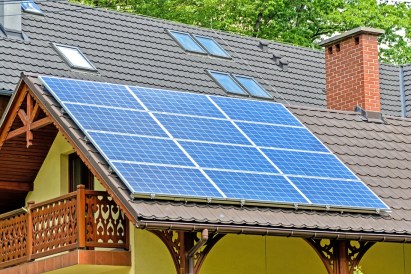 As part of the Agriculture Energy Efficiency Initiative, Virginia Cooperative Extension is conducting four educational workshops on solar energy later this month to educate anyone interested in learning more about solar hot water and solar photovoltaics.
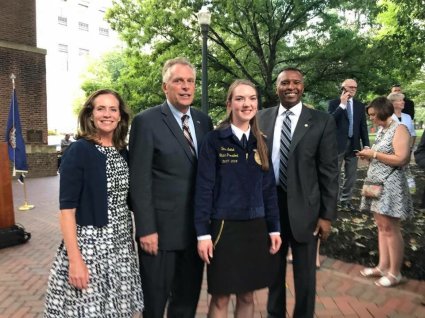 Governor Terry McAuliffe today announced that a new comprehensive study shows Virginia’s agriculture and forestry industries contribute $91 billion annually to the Commonwealth’s economy. This represents a 30 percent increase from the most recent study, released in 2013, which showed an annual economic impact of $70 billion.
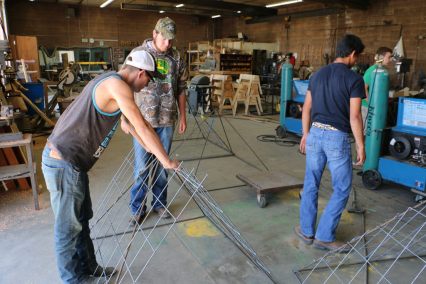 The U.S. House of Representatives recently passed the Strengthening Career and Technical Education Act for the 21st Century. The measure reauthorizes the Carl D. Perkins Career and Technical Education Act. American Farm Bureau Federation (AFBF) Director of Congressional Relations RJ Karney says this is vital legislation for the future of agricultural businesses.
 With serious economic challenges facing agriculture, underscored by even deeper concerns in some commodity sectors, the American Farm Bureau Federation board of directors outlined the organization’s key objectives for the 2018 farm bill.
 “Expanding rural broadband access is a vital part of this administration’s work growing and diversifying the new Virginia economy and I am pleased that Microsoft has chosen our Commonwealth as one of the initial 12 states to launch this initiative. Microsoft’s plan to invest alongside local telecom services, as well as form partnerships with local and regional organizations like the Tobacco Region Revitalization Commission, will allow them to pinpoint specific needs of rural localities, bridging the rural broadband gap. I look forward to working with Microsoft to make sure we succeed in bringing broadband access to every corner of the Commonwealth.” – Governor Terry McAuliffe
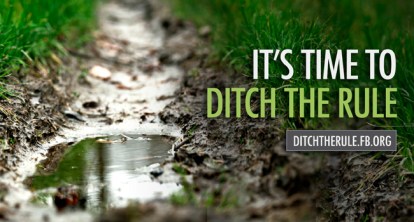 The Environmental Protection Agency and Army Corps of Engineers on Tuesday announced a proposed rule to rescind the Clean Water Rule and re-codify the regulatory text that existed prior to 2015 defining “Waters of the United States” or WOTUS.