 Governor Terry McAuliffe will lead a three-day trade and marketing mission to Mexico from May 1-4, 2017. The Governor will be accompanied by Secretary of Commerce and Trade Todd Haymore, Secretary of Agriculture and Forestry Basil Gooden, and representatives from the Virginia Economic Development Partnership and the Virginia Department of Agriculture and Consumer Services. The delegation will visit Guadalajara and Mexico City.
The Governor and his delegation will participate in more than 10 meetings over the course of the mission. The Governor will meet with senior business executives and government officials, including Mexican President Enrique Peña Nieto and Minister of Foreign Affairs Luis Videgaray Caso, to promote Virginia as a business location and tourism destination. The delegation will also encourage trade opportunities for Virginia agricultural and forestry products including: pork, wheat, apples, poultry, lumber, wine, tobacco, and specialty food and beverage products.
 From the
  A lot of things come to mind when I think of challenges on the farm. I think about fighting the weather – constantly worrying if the crops will have enough rain water – worrying about the possibility of hail or severe winds – worrying if a late frost could kill the early corn we were so fortunate to get planted. I think about fighting diseases in our crops and sickness in our cattle. I think about fighting the markets as prices for our commodities constantly change due to circumstances beyond my control.
 During a meeting with farmers and ranchers, President Donald Trump pledged today that his administration, including newly installed Secretary of Agriculture Sonny Perdue, would work to address critical challenges faced by agriculture, according to American Farm Bureau Federation President Zippy Duvall.
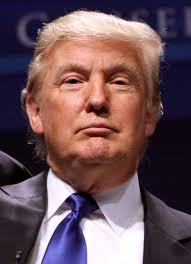 President Donald Trump has signed more than 30 executive orders during his first 100 days, and he hasn’t forgotten to get the agriculture industry and rural America involved. Earlier Tuesday, Trump signed the executive order, titled Promoting Agriculture and Rural Prosperity in America, in front of newly installed Secretary of Agriculture Sonny Perdue, a 14-member farmer roundtable and others.
 Governor Terry McAuliffe today announced that a new economic impact study, conducted by the Virginia Tech Pamplin College of Business, shows that Virginia’s agritourism industry accounts for $2.2 billion in economic activity. The report also shows that the economic activity attributed to the Commonwealth’s 1,400 agritourism businesses supports 22,000 jobs, contributes $840 million in income, and injects $135 million in state and local taxes. The study is the first statewide benchmark report to measure the economic and fiscal impacts of Virginia’s agritourism sector.
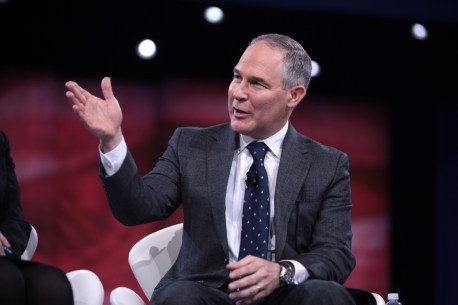 The U.S. Environmental Protection Agency (EPA) just released information on Regulatory Reform. The release follows EPA Administrator Scott Pruitt’s launch of his “Back to Basics” agenda to refocus the agency’s core mission that also includes returning power to the states and an environment where jobs can grow. He emphasizes the importance of engaging with state, local and tribal partners to create sensible regulations that enhance economic growth. See press release below:
