Session is wrapping up fast! With just one week to go, our team is hard at work advocating for full funding of AgBMP cost-share programs and supporting key partners like Virginia’s meat processors. As session winds down, we’re gearing up to hit the road for regional policy development meetings. We hope to see you there!
Author: VFB Governmental Relations
2026 General Assembly Update: Week 6 Crossover
Halfway through the 2026 General Assembly session, your advocacy is making a difference in Richmond! From progress on biosolids legislation to protecting key labor exemptions, Farm Bureau policies continue to advance at the General Assembly. Catch this week’s highlights and see what’s ahead as we prepare for Budget Sunday and our upcoming Farm Woman Lobby Day and Centennial Celebration.
2026 General Assembly Update: Week 5
Virginia Farm Bureau is back with your Week 5 General Assembly update!
This week:
• HB1375 (Paraquat ban) gets carried over to 2027, effectively stopping the bill for this session.
• PFAS levels in biosolids take center stage as SB386 proposes thresholds that could amount to a land‑application ban.
• Plus, thank you to the 100+ county leaders who made Legislative Day a huge success!
Stay informed. Stay involved. Agriculture’s voice matters at the Capitol. 
2026 General Assembly: Week 4
🎥 Week 4 General Assembly Update is here!
This week, we’re updating you on Delegate Clark’s HB 1375, which would ban a critical pesticide used by Virginia farmers. We’re also tracking bills that support our new VFBF policy for a producer‑friendly definition of agrivoltaics.
And we’re gearing up for Legislative Day, when more than 100 Farm Bureau members will meet with legislators to advocate for agriculture’s top priorities, including:
🌱 AgBMPs
🍎 Commodity Checkoffs – Apple & Peanuts
🖥️ Data Centers
🌲 Growing the Agriculture & Forestry Industry
🌿 Invasive Species & Noxious Weeds
👷 Labor
🐄 Large Animal Veterinary Shortage
🥩 Misbranded Labeling of Meat
🧪 Pesticides: Ban on Paraquat
☀️ Solar
🧫 Testing PFAS/PFOA in Biosolids Application
🦌 Wildlife Depredation
Stay connected as we continue advocating for Virginia agriculture.
Merchandiser Minute: Social Media and Soybeans

Robert Harper with Virginia Farm Bureau’s grain division provides this week’s market updates.
#merchandiserminute #grainfuture #virginiafarmbureau
2026 General Assembly: Week 3
A quick look at this week’s General Assembly highlights:
- Agriculture
- Data Centers
- Game
- Invasive Species/Noxious Weeds
- Solar
- Other Issues
Reminder: Legislative Day is Feb. 8–9! Stay safe, stay warm and stay tuned for more updates!
2026 General Assembly: Week 2
A quick look at this week’s General Assembly highlights: progress on truth-in-meat labeling, mixed outcomes on farmworker wage policies, a win for local invasive‑species control, and a weather‑related shift of Legislative Day to Feb. 8–9. Stay safe, stay warm and stay tuned for more updates!
Virginia Issues Emergency Transportation Waiver for Winter Storm Relief (Jan. 22 – Feb. 5, 2026)
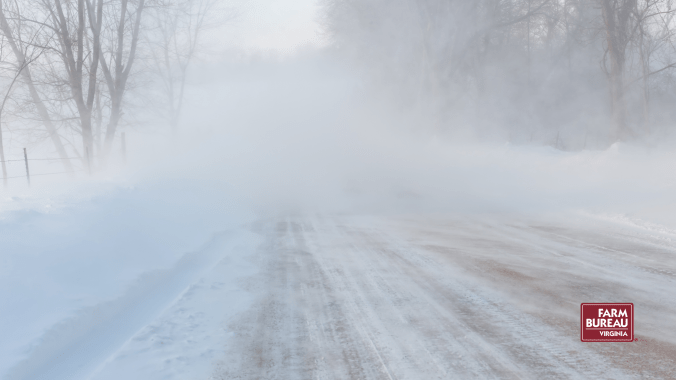
Virginia Issues Emergency Transportation Waiver for Winter Storm Relief (Jan. 22 – Feb. 5, 2026)
As Virginia prepares for significant winter weather—expected to include snow, ice, and freezing rain—the Commonwealth has activated an emergency transportation waiver to support rapid response and recovery. Effective January 22, 2026, through February 5, 2026, the Virginia Department of Motor Vehicles (DMV) has authorized a temporary suspension of certain transportation regulations for carriers engaged in winter storm relief efforts.
This emergency order is designed to help move critical supplies and services quickly and safely across the state as severe weather threatens to impact infrastructure, utilities, and essential community needs.
Why the Waiver Was Issued
This action follows the Governor’s State of Emergency (EO‑11), issued in anticipation of the winter storm expected to significantly affect Virginia—particularly on January 24–25, 2026. By loosening specific transport restrictions, the Commonwealth aims to ensure that emergency crews, utility service providers, and supply carriers can reach affected areas without unnecessary delays.
Key Details of the Transportation Waiver
📅 Duration
January 22, 2026 – February 5, 2026
The waiver is active for the duration of direct emergency assistance or 30 days, whichever is shorter.
🚚 Who the Waiver Applies To
Carriers providing direct assistance in winter storm response, including:
- Emergency relief supplies
- Food, fuel, water, and medical materials
- Infrastructure restoration equipment
- Utility repair and restoration services
- Other goods essential to protecting life, property, and critical services
📌 What the Waiver Includes
1. Registration & Licensing Relief
Carriers participating in emergency relief operations receive a temporary waiver of certain registration and licensing requirements.
2. Weight & Width Exemptions
To accelerate transport of heavy and oversized equipment, Virginia is easing some size and weight restrictions on VDOT‑controlled roads, including:
- 3‑axle trucks: Up to 60,000 lbs allowed
- Additional allowances for vehicles supporting utility and relief missions
Important: These weight exemptions do not apply to posted bridges or structures.
3. Hours-of-Service Flexibility
The order activates FMCSA Section 390.23, which provides relief from federal hours‑of‑service regulations during emergencies. This allows drivers supporting storm response to operate with expanded flexibility, coordinated through the Virginia Department of Emergency Management (VDEM).
Limitations to Be Aware Of
Even with the emergency flexibility, certain restrictions remain in place to protect public safety and infrastructure:
- No weight exemptions on interstate highways unless a separate federal emergency declaration is issued.
- Posted bridges and structures remain restricted regardless of this waiver.
- Exemptions only apply while carriers are engaged in direct emergency assistance—once normal operations resume, so do standard regulations.
Supporting Virginia’s Winter Storm Response
Emergency transportation waivers like this one play a critical role in ensuring that help arrives where it’s needed most—especially when hazardous weather threatens essential infrastructure and community services. By temporarily suspending certain administrative and operational barriers, Virginia is equipping disaster-response teams and partner organizations with the flexibility needed to act quickly and efficiently.
As winter weather unfolds, carriers participating in relief efforts should stay informed of any updates from the Virginia DMV, VDEM, and state officials regarding travel conditions, safety requirements, and changes to emergency declarations.
2026 General Assembly: Week 1
The 2026 General Assembly session is underway! Virginia Farm Bureau’s Government Relations team is tracking the top issues that matter most to our members, and we’ll be bringing you weekly updates right here. 👉 Tune in each week to stay informed on the top priorities we’re working on for Virginia agriculture.
Farmer Bridge Assistance Payment Rates Announced
The USDA has released per-acre payment rates for the Farmer Bridge Assistance (FBA) Program. Eligible producers will receive pre-filled applications and payments by February 28, 2026.
Payment Rates by Commodity
| Commodity | Rate per Acre |
|---|---|
| Rice | $132.89 |
| Cotton | $117.35 |
| Oats | $81.75 |
| Peanuts | $55.65 |
| Sorghum | $48.11 |
| Corn | $44.36 |
| Wheat | $39.35 |
| Chickpeas (Small) | $33.36 |
| Soybeans | $30.88 |
| Chickpeas (Large) | $26.46 |
| Safflower | $24.86 |
| Lentils | $23.98 |
| Canola | $23.57 |
| Mustard | $23.21 |
| Barley | $20.51 |
| Peas | $19.60 |
| Sunflower | $17.32 |
| Sesame | $13.68 |
| Flax | $8.05 |
Key Eligibility Information
Eligible Acres:
- Based on 2025 planted acres
- Double crop acres qualify (both initial and subsequent plantings)
- Prevent plant acres are NOT eligible
Eligible Uses:
- All intended row crop uses EXCEPT: grazing, volunteer stands, experimental, green manure, crops left standing and abandoned, or cover crops
Crop Insurance:
- NOT required for FBA payments
- USDA strongly recommends utilizing new risk management tools from the One Big Beautiful Bill Act
Specialty Crops and Sugar
The remaining $1 billion is reserved for specialty crops and sugar producers. Payment timelines are still under development.
Important Resources
📧 Questions: farmerbridge@usda.gov
🌐 Program Information: https://www.fsa.usda.gov/fba
📍 Local Support: Contact your USDA FSA county office
 Plows and Politics