2015 Legislative Day a Success!

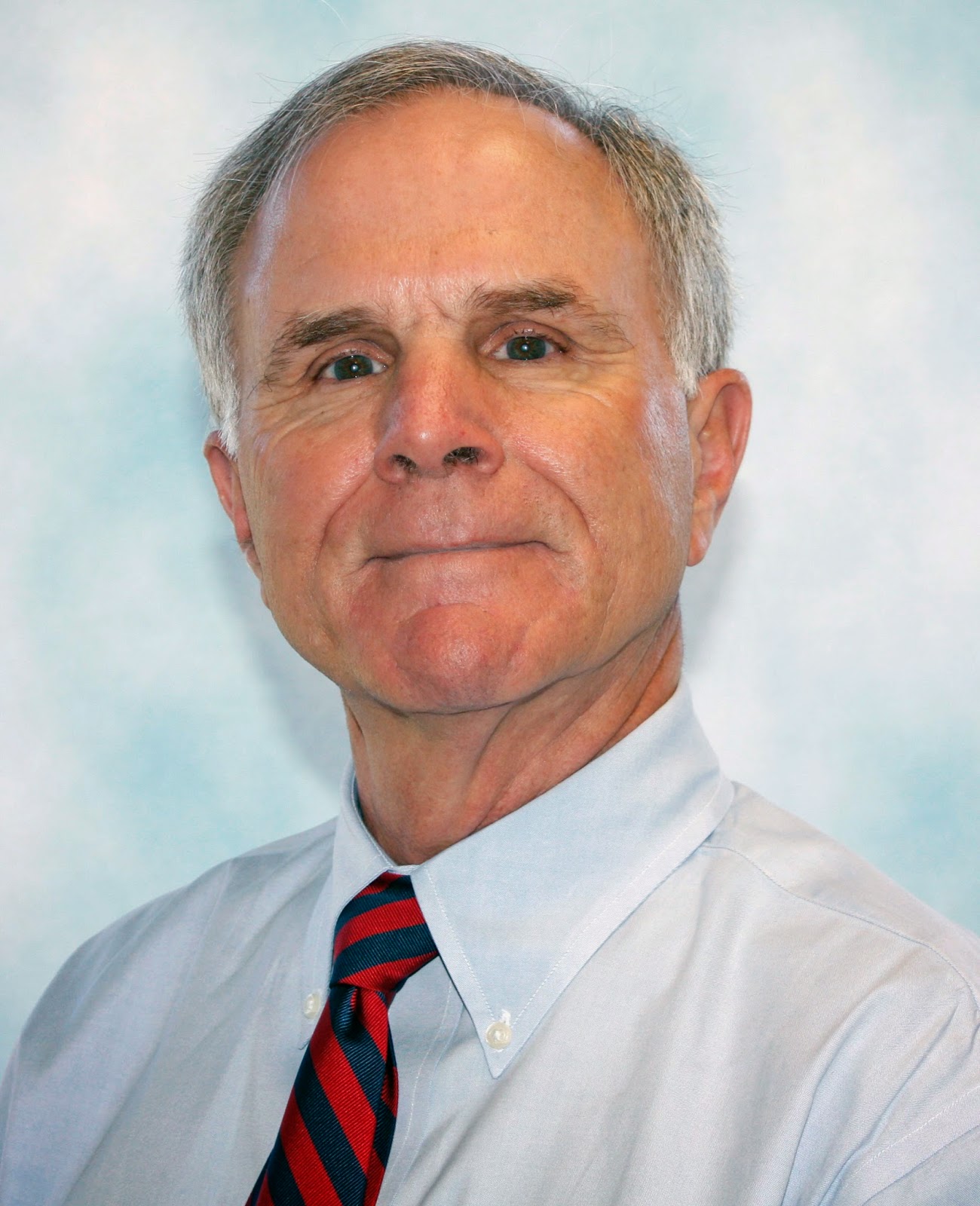
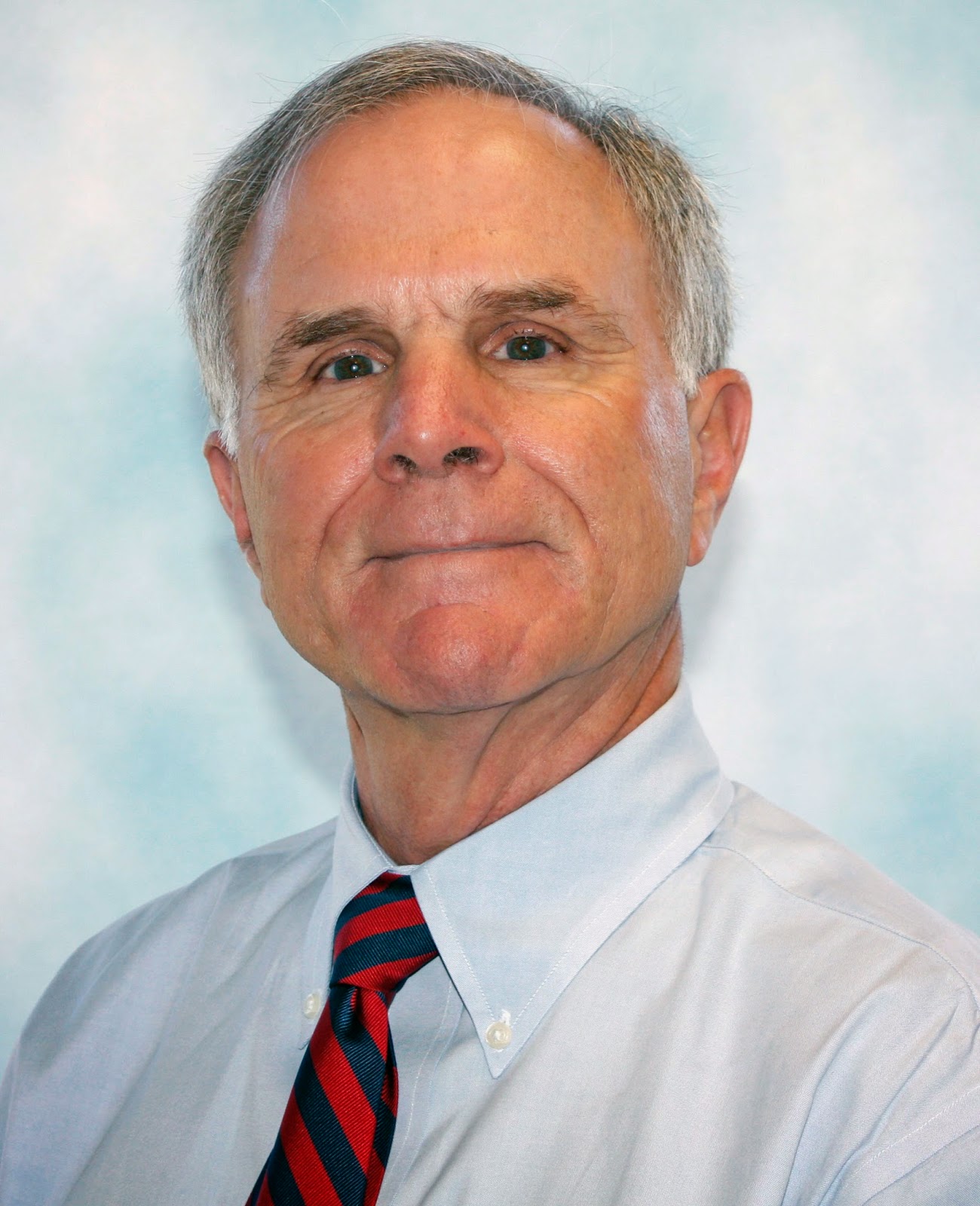
Thanks to legislators and Farm Bureau members for participating in Virginia Farm Bureau’s 2015 Legislative Day! As you can see, legislators like Del. David Bulova (pictured above) got to try their hand at milking a cow at Farm Bureau’s legislative reception last night. This morning, members made their way to the General Assembly to meet with legislators on important issues like Ag BMP funding and the coyote control program.

Connecting with your legislators makes a difference! If you are a Farm Bureau producer member interested in participating in our grassroots program, contact Kelly Pruitt at 804-290-1293 or kprui@vafb.com.

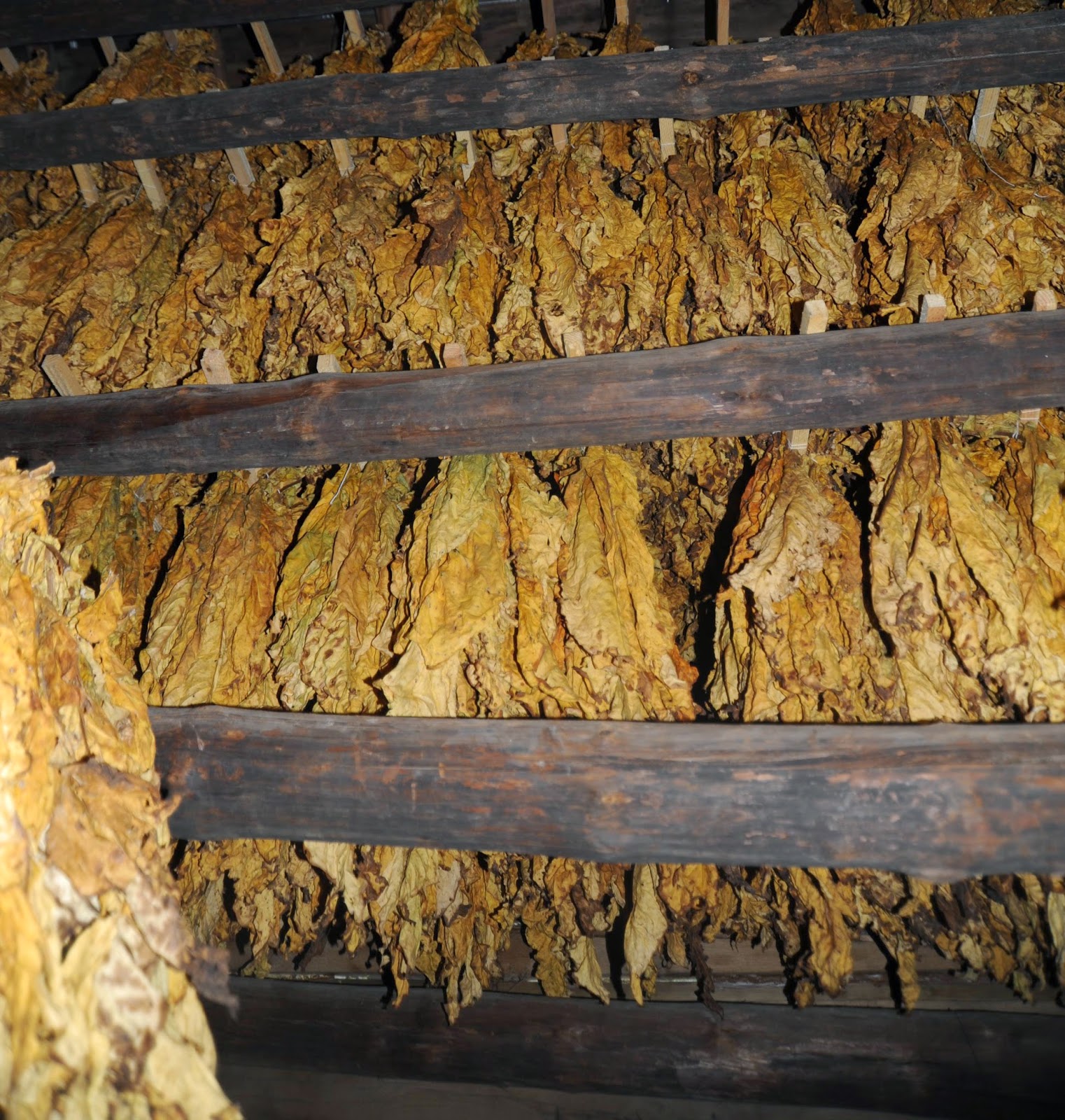
Flue-Cured Tobacco Co-op Certificate Redemption Deadline is Feb. 28

The U.S. Tobacco Cooperative Inc. has issued an announcement to “tobacco farmers who delivered tobacco to Flue Cured Tobacco Cooperative Stabilization Corp. in 1967 through and including 1973.”
During those years Stabilization issued certificates of interest in capital reserve to its members who delivered tobacco. U.S. Tobacco Cooperative is offering to redeem those certificates. Growers may not need to have the actual certificates to accept the offer.
Anyone interested in applying to accept the offer, including certificate recipients, heirs, beneficiaries and estate administrators, can find an application form and offer details at tobaccocheck.com or call 877-277-7422 for more information. Interested parties can request an application by mail by sending a self-addressed, stamped envelope to Certificate Redemption, P.O. Box 12300, Raleigh, NC 27605.
The application deadline is Feb. 28.

Virginia Clean Cities to Host Biofuels Workshop Jan. 30

Virginia Clean Cities will host a Biofuels Workshop at Virginia Farm Bureau’s West Creek Office on Friday, January 30, 2015, from 9am to 1 pm.  The workshop will present the benefits of biodiesel and ethanol in Virginia and hear from producers, fleets and retailers who are utilizing these renewable fuels.
Anyone interested in attending must register in advance online at http://www.vacleancities.org/events/. The workshop is being co-sponsored by Virginia Clean Cities, Virginia Farm Bureau Federation, Virginia Grain Producers Association, and Virginia Soybean Association. 

Five Counties, One City Receive Funds to Place Working Farmlands under Permanent Conservation Easements

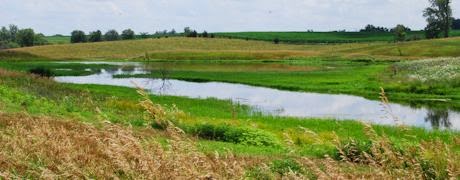
Governor Terry McAuliffe has announced the recipients of fiscal year 2015 farmland preservation grants.  Six localities have been awarded more than $1,581,000 from the Virginia Department of Agriculture and Consumer Services (VDACS).  Localities must use the grant monies to permanently preserve working farmland within their boundaries through local Purchase of Development Rights (PDR) programs.  PDR programs compensate landowners who work with localities to permanently preserve their land by voluntarily placing a perpetual conservation easement on it.

VDACS allocated $286,983 each to the counties of Albemarle, Fauquier, James City and Stafford, as well as the City of Virginia Beach.  Clarke County will receive a $146,778 grant.  These allocations total more than $1,581,000, bringing the total allocation of state matching funds to $9.7 million since 2008, when PDR funds were first distributed. 

Speaking about the farmland preservation grants, Governor McAuliffe said, “This announcement takes another step toward my administration’s goal of permanently conserving 400,000 acres of open space and working lands across Virginia.  Last year, we provided more than $1 million from this program to eight localities.  With this announcement of new recipients, we are providing more than $1.5 million to further our conservation goal.  Preserving our working farmland is a great way to help our largest private sector industry, agriculture, and work toward building the New Virginia Economy.”

“Virginia’s successful PDR program continues to play a key role in helping localities and landowners strategically preserve working farmlands, which are obviously vital to production agriculture,” said Secretary of Agriculture and Forestry Todd Haymore. “This voluntary public-private partnership increases Virginia’s ability to produce high quality agricultural products that are marketed here and around the world, generate tax revenue, and protect our precious natural resources.  All of these are important components within the McAuliffe administration’s larger efforts to create new jobs and build a New Virginia Economy.”

Secretary of Natural Resources Molly Ward added, “The preservation of agriculture and forest land also supports our natural resource goals of healthy fish and wildlife populations, clean air, clean water and productive land.”

This is the eighth time that the Commonwealth has provided state matching funds for certified local PDR programs.  Of the 22 local PDR programs in Virginia, 18 have received local funding over the past few years.  To date, more than 8,015 acres on 59 farms in 15 localities have been permanently protected in part with $7 million of these funds.  Additional easements are expected to close using the remaining funds over the next two years. 

Localities interested in creating a PDR program or applying for future rounds of grant applications for PDR matching funds should contact the Office of Farmland Preservation at VDACS.  They may e-mail Andrew Sorrell, the Office of Farmland Preservation Coordinator, at andrew.sorrell@vdacs.virginia.gov or call 804.786.1906.

Legal Unpasteurized Milk Sales Result in More Foodborne Illness

A study in the January issue of the Centers for Disease Control & Prevention’s Emerging Infectious Diseases Journal found that the number of U.S. foodborne illnesses caused by unpasteurized milk increased from 30 between 2007 and 2009 to 51 between 2010 and 2012.

Eighty-one percent of those outbreaks were caused by unpasteurized milk purchased in states where the sale of such milk is legal.

That raises concerns among Virginia farmers about legislation before this year’s Virginia General Assembly. HB 1290, also known as the Virginia Food Freedom Act, would exempt food products, including unpasteurized milk, made in private homes from government regulations as long as they are sold directly to the consumer and labeled with a disclosure statement. Two other bills, HB 1461 and HJ 519, also would allow for sales of unpasteurized milk.

“Farmers have a responsibility to provide safe food products to consumers, and Virginia’s dairy farmers take that very seriously,” said Lindsay Reames, assistant director of governmental relations for Virginia Farm Bureau Federation. “There are known health risks associated with unpasteurized milk, and we want to ensure the food system remains safe for everyone, particularly children, who are most at risk.”

Pasteurization is the process of heating a liquid briefly to destroy disease-causing germs. Those germs, the CDC notes on its website, usually do not change the way milk looks, tastes or smells; pasteurization is a means to ensure that they are not present.

In 1987 the U.S. Food and Drug Administration banned the interstate sale or distribution of unpasteurized milk. Laws regulating intrastate sales vary from complete bans to allowances for sales from farms or retail outlets. Some states allow cow-share or herd-share agreements, in which buyers pay farmers a fee for the care of animals in exchange for a percentage of milk produced.

Consumption of unpasteurized milk has been associated with serious illnesses caused by several pathogens, including E.coli and salmonella. Despite those risks, demand for unpasteurized milk has increased, and some states have considered relaxing restrictions on its sale.

State and local health departments voluntarily report foodborne illness outbreaks to the CDC. Between 2007 and 2012, 81 outbreaks due to consumption of unpasteurized milk were reported from 26 states.

The outbreaks resulted in 979 people becoming ill and 73 being hospitalized. Most occurred in states where the sale of unpasteurized milk was legal at the time. Information on how the milk was obtained was available for more than two-thirds of the outbreaks. Seventy-one percent of those were related to milk obtained from dairy farms; 13 percent were related to milk from licensed or commercial sellers; and 12 percent were related to milk from cow- or herd-share agreements.

The study found that the number of outbreaks caused by Campylobacter spp. bacteria nearly doubled in the six-year study period. “This increase,” the authors note, “was concurrent with a decline in the number of states in which the sale of unpasteurized milk was illegal, from 28 in 2004 to 20 in 2011 and with an increase in the number of states allowing cow-share programs.”

The study findings also note that the legal unpasteurized milk sales in one state can lead to illness outbreaks in nearby states if consumers travel to buy that milk.

Proponents of the Virginia bills that would allow sales of unpasteurized milk have asserted that current state law prevents farmers from accessing a willing local market.

“The local foods movement is incredibly robust and is in no way impaired by a ban on selling unpasteurized milk,” Reames said. “In fact, that movement would be imperiled by a change in the current law. If someone gets sick from consuming unpasteurized milk, we risk consumers being scared to buy any milk, local or otherwise, even though the vast majority of it is pasteurized and safe.”

The EID Journal article is available online at www.nc.cdc.gov/eid/article/21/1/14-0447_article.

Livestock Producers Say Coyote Control Program Essential

The Virginia Cooperative Coyote Damage Control program works to help farmers resolve coyote predation problems, something that is essential for those who have lost livestock to coyotes.
Chuck Shorter of Montgomery County has lost sheep, cattle and goats to coyotes. Shorter, who has raised sheep since 1964, said coyotes first appeared on his farm in the 1980s. He lost 50 lambs.
“The specialists with the coyote damage program came out and helped me with my problem,” he said, by setting traps and providing technical assistance. “I’ve lost nowhere near that number since, but I also got out of the sheep business due to the coyotes.”
Shorter now raises goats. “Sheep stay in during the day and go out at night. That’s when the coyotes would be out grazing on them,” he explained. “Goats go out during the day and stay in at night, which helps, and our guard dogs keep an eye on them. But we do still lose a few each year to coyotes.”
Shorter called the Coyote Damage Control Program “very, very necessary.

“In Virginia we have a lot of coyotes, a lot of livestock and a lot of problems. I don’t know how (U.S. Department of Agriculture) Wildlife Services gets done what they do with such limited funding. The coyote problem has been around for a long time, and it’s not going to stop. So we need help with it.”
USDA Wildlife Services, which runs the program, provided direct control services to 195 livestock farms in 53 Virginia counties in fiscal year 2014. During that time, 285 sheep, 81 calves, and 32 goats were verified killed by coyotes on those farms. That represents a 39 percent increase in reported sheep predation and a 69 percent increase in reported calf predation from fiscal year 2013.
“Virginia is rare; there are few eastern states that have livestock protection programs like this with livestock professionals that can come out and help farmers with these types of issues,” said Scott Barras, state director for USDA Wildlife Services. “This is a real benefit for farmers. It’s bad enough to lose livestock to predation, especially now when livestock prices are what they are and farmers are really feeling the impact.”

The demand for livestock protection services is expected to increase due to the development of statewide program availability and observed increases in coyote population and predation. During fiscal year 2014, farms in 26 additional counties requested assistance, with 76 new farms requesting assistance
Legislators Consider Unpasteurized Milk, Homemade Food Sales Without Inspection

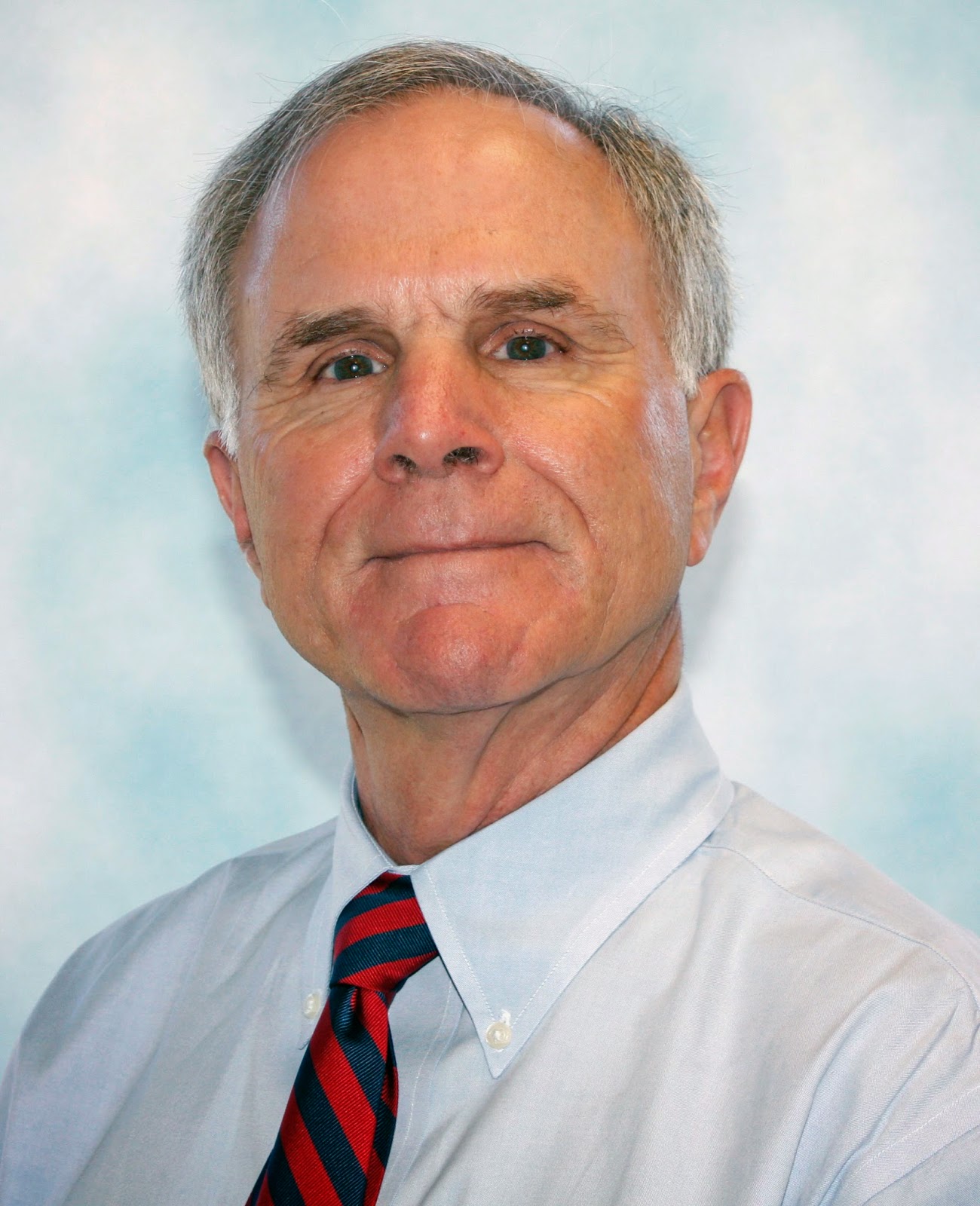
Farm Bureau Governmental Relations Assistant Director Lindsay Reames was recently interviewed by NBC 12 in Richmond on a bill that would legalize the sale of unpasteurized milk.

Click here to see the story: Legislators consider unpasteurized milk, homemade food sales without inspection
//cdn.embedly.com/widgets/platform.js