Month: February 2013
USFRA responds to MSN’s "14 Foods You Should Never Eat" article
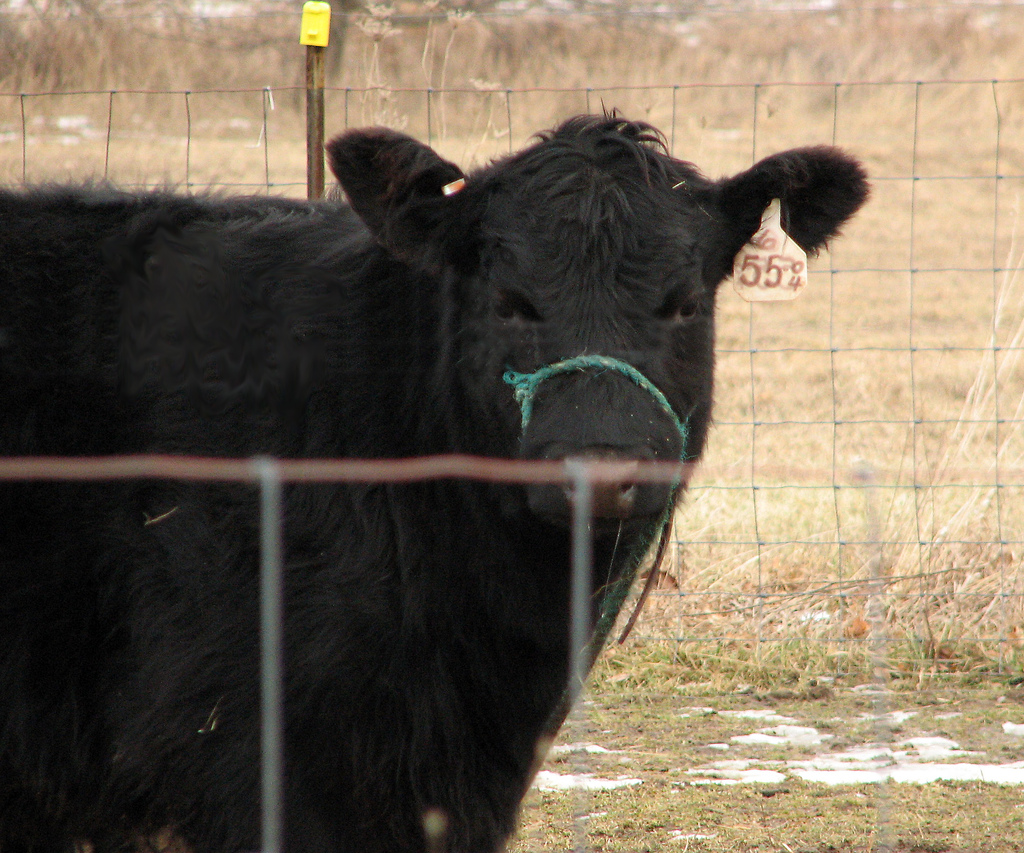
- Cattle raised for beef are loaded with hormones. Hormones are naturally occurring in any living organism. It’s a fact. Hormones have been used by American farmers and ranchers since the 1950s. They’re used under the guidance of veterinarians and animal nutritionists and given to animals only in targeted ways – in very low doses and at particular times in the animal’s life. For example, in beef cattle, supplemental hormones can help stimulate growth by improving how feed is converted into lean muscle. Over the past decade, they have been studied heavily, looking closely to monitor any impact they have in the short and long term. They continue to be approved for use in this country and many others because studies have shown they pose no risk to consumers.
- More info: http://www.fooddialogues.com/foodsource/topics/growth-hormones
- “Today’s corn plants are more like little pesticide factories with roots.” It’s been proven repeatedly that biotechnology is safe. Bacillus thuringiensis (Bt) proteins used in some genetically modified crops manufacture a natural insecticide. In turn, pest challenges are reduced, pesticide use is reduced, and a healthy and safe product is grown. Biotechnology used to develop seed corn has traits beyond Bt. Herbicide tolerance is another biotech trait, and, more recently, drought tolerant hybrids have been created using biotechnology. Too, not all corn is genetically modified.
More Info: http://www.fooddialogues.com/foodsource/topics/biotech-seeds
More info: http://seedfeedfood.eu/wp-content/uploads/2013/01/flipbook.pdf - “Modern wheat is nothing like the grain your mother or grandmother consumed.” Of course it’s not the same. Wheat naturally hybridized around 10,000 years ago. Since that time, wheat breeders have capitalized on this natural hybridization to increase yield, plant uniformity, weather hardiness and more. To date, there is no wheat on the market created from biotechnology processes.
More info: http://www.thebestgrains.com/wheat-improvement-the-truth-unveiled
- Avoid foods raised on factory farms. McDonald’s, like most restaurants today, get their food from family farms and ranches across the nation and beyond. More than 90 percent of farms and ranches today are family owned – no matter the size. Whether a farm is big or small, it’s providing safe food and meeting consumers’ needs. Management style has no bearing on the safety or nutritional value of the food. The MSN.com article states that consumers should avoid McDonald’s because their food comes from factory farms. This assumption is completely inaccurate.
More info: http://www.fooddialogues.com/foodsource/topics/farm-size-ownership
More info: http://www.fooddialogues.com/foodsource/topics/animal-welfare
More info: http://www.fooddialogues.com/foodsource/topics/food-safety
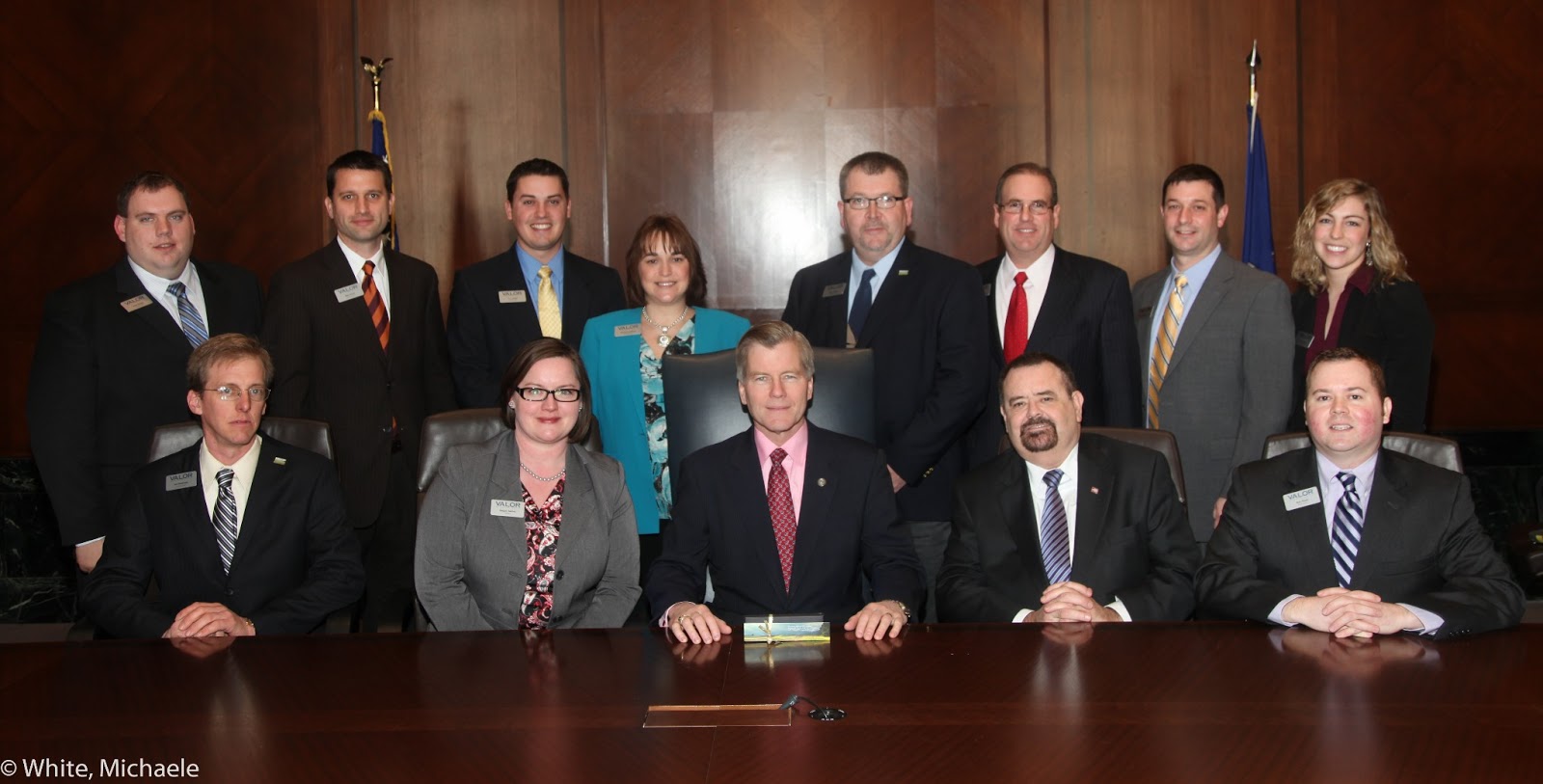
VALOR fellows participate in seminar at Virginia Farm Bureau, General Assembly
This week, the inaugural fellows of the Virginia Agriculture Leaders Obtaining results (VALOR) program participated in their fourth of 12 seminars at the Virginia Farm Bureau building and the General Assembly in Richmond. VALOR is a two-year program that focuses on leadership development, team building, advocacy training, exploration of industry issues, and stakeholder networking. The program’s 10 members were chosen from among peers across the state.
Members of the VALOR inaugural class are:
- Roger Elkins of Jonesville, operator of Elkins Sandy Spring Farm;
- Dana Fisher of New Market, agricultural education teacher at Central High School;
- Ben Grove of Blacksburg, development officer with College of Agriculture and Life Sciences;
- Ian Heatwole of Weyers Cave, producer and manager of Fox Run Farms LLC and FRF Cross Keys LLC;
- Matt Hickey of Staunton, owner of Classic Carriage LLC and vice president of Blue Ridge Mass Appraisal Company;
- C.J. Isbell of Rockville, co-owner and managing member of Keenbell Farm LLC;
- Teresa Lindberg of Jarratt, agricultural education teacher at Edward W. Wyatt Middle School and past-president of the Virginia Association of Agricultural Educators;
- Hunter Richardson of Shacklefords, owner/operator of Scattered Acres Farm;
- Ken Ryan of Edinburg, Va., credit analyst with MidAtlantic Farm Credit; and
- Andrew Smith of Beaverdam, senior assistant director of governmental relations with Virginia Farm Bureau Federation and owner of a commercial hay operation.
At Virginia Farm Bureau, VALOR fellows heard from Martha Moore, Vice President of VFBF Governmental Relations, and Donna Johnson, past-president of the Virginia Agribusiness Council about lobbying for agriculture. They also received media training from Norm Hyde and Sherri McKinney from the VFBF Communications Department.
The second half of the seminar took place at the General Assembly where fellows met with, Governor Bob McDonnell, Chief of Staff Martin Kent, Secretary of Agriculture and Forestry Todd Haymore, Deputy Secretary of Agriculture and Forestry Travis Hill, and Delegate Bobby Orrock. Participates also met with their legislators and toured the State Capitol.
From the Field: Sustainability, the New Buzz Word
VSU to hold 6th Annual Virginia Berry Conference in March
Governor McDonnell to Co-Host 5th Annual Conference on Agricultural Trade March 7-8 in Richmond
AFBF Board Establishes Strategic Action Plan for 2013
“A reliable and efficient inland water system for shipment of farm goods is essential for U.S. agriculture to be competitive,” explained Stallman.
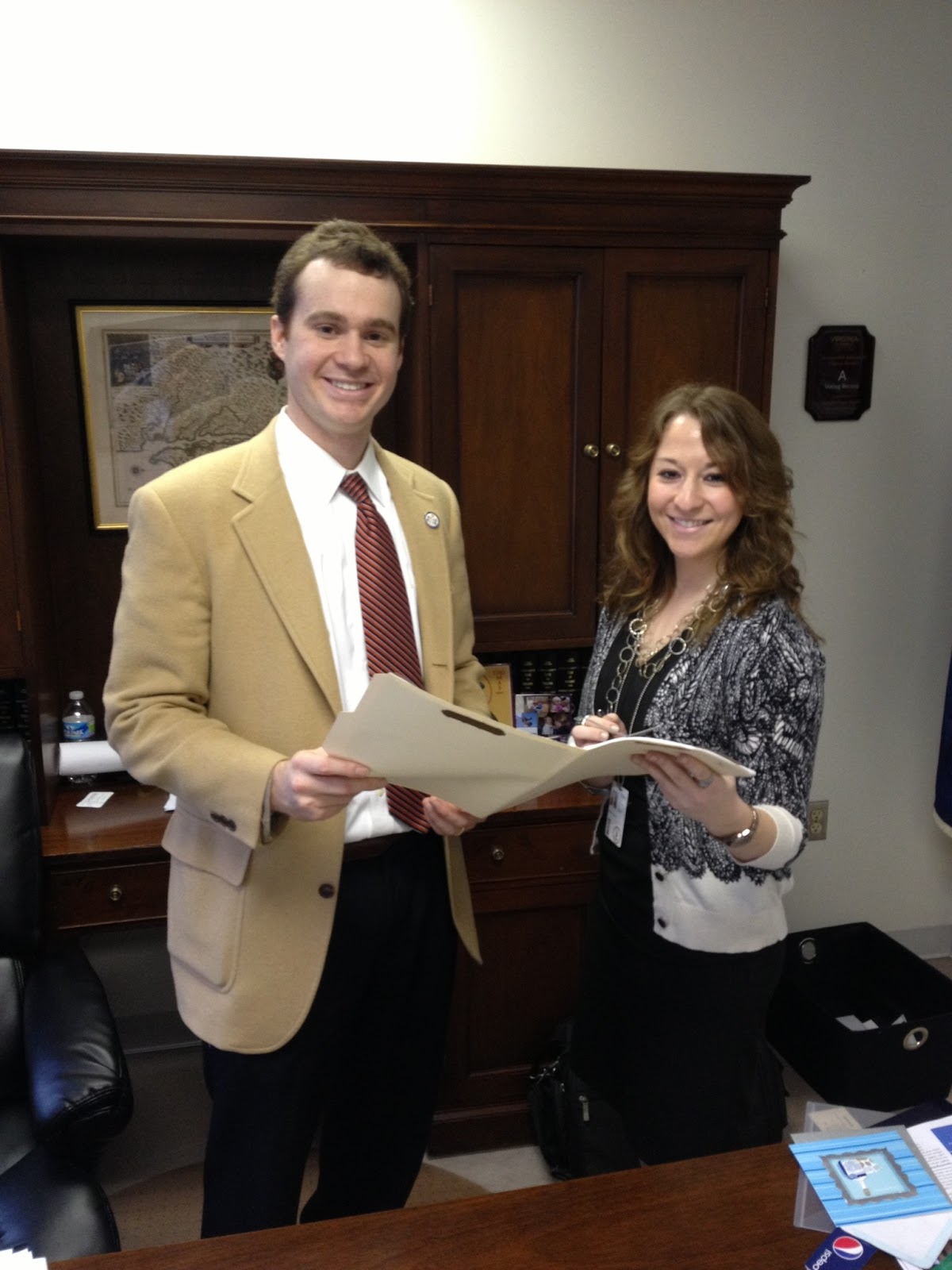
The Life of a Legislative Aide: A Q&A
![]() |
| Stefanie Kitchen is the legislative aide for Del. Peter Farrell (R-56th) |
From the Field: Celebrate National Heart Month with Beef
From the Field is a bi-monthly column written by Mark Campbell, Farm Bureau Field Services Director for the Central District. He writes about Farm Bureau member benefits and County Farm Bureau activities.
February is National Heart Month and people are urged to be more conscious of a heart healthy lifestyle. The American Heart Association cites seven steps to have a healthy heart. They are:
1) Engage in regular physical activity,
2) Eat a healthy diet,
3) Maintain a healthy weight,
4) Don’t smoke,
5) Control cholesterol,
6) Manage blood pressure, and
7) Keep blood sugar at healthy levels.
The good news is that lean proteins such as beef, pork, and poultry can be a part of this.
I want to share with you exciting news about the benefits of beef in a heart healthy diet. It used to be that medical professionals and nutritionists discouraged consumption of red meat. But a study published in the American Journal of Clinical Nutrition called “Beef in an Optimal Lean Diet” or “BOLD” showed beef’s role in a heart healthy diet. The biggest take away from this study is that adding lean beef to a heart healthy diet reduces LDL “bad” cholesterol by 10 percent.
The BOLD diet includes 4 ounces of lean beef daily. New research and data are leading to more physicians and nutritionists recognizing that lean beef does play a role in a healthy balanced diet. The BOLD study also demonstrated that a diet including lean beef every day was as effective at lowering total and LDL “bad” cholesterol as the gold standard heart healthy diet DASH (Dietary Approaches to Stop Hypertension). The BOLD diet is similar to DASH in that it includes vegetables, fruits, whole grains, nuts, and beans. But the BOLD diet uses lean beef as the primary protein source.
What about the fat? Half of the fat in a cut of beef is monounsaturated, the same type found in salmon and olive oil. The other half that is saturated, 1/3 of that is stearic acid, which has a neutral effect on blood cholesterol levels. The beef community has made great strides in providing leaner products for the consumer. There are now more than 29 beef cuts that meet the government guidelines for lean. Some of those include the t-bone steak, tenderloin, new york strip, and 95 percent lean ground beef. Beef is also nutrient dense, specifically in protein, zinc, iron, and B vitamins.
The website www.beefnutrition.org has lots of information. There are also some downloadable fact sheets that you could hand out to your friends and neighbors. That can be another way to be an advocate for agriculture. Production practices and humane treatment aren’t the only areas that we agriculturalists need to promote. We also need to promote the nutritious and healthy aspects of our food products–whether you sell wholesale or retail; you are a food producer. Therefore, nutrition has to be a component of your promotion. What better way to promote National Heart Month than to share the good news about the healthy and nutritious benefits of beef.
So be BOLD by including beef in your diet and sharing the information with your friends and family.
Until next time,
Mark
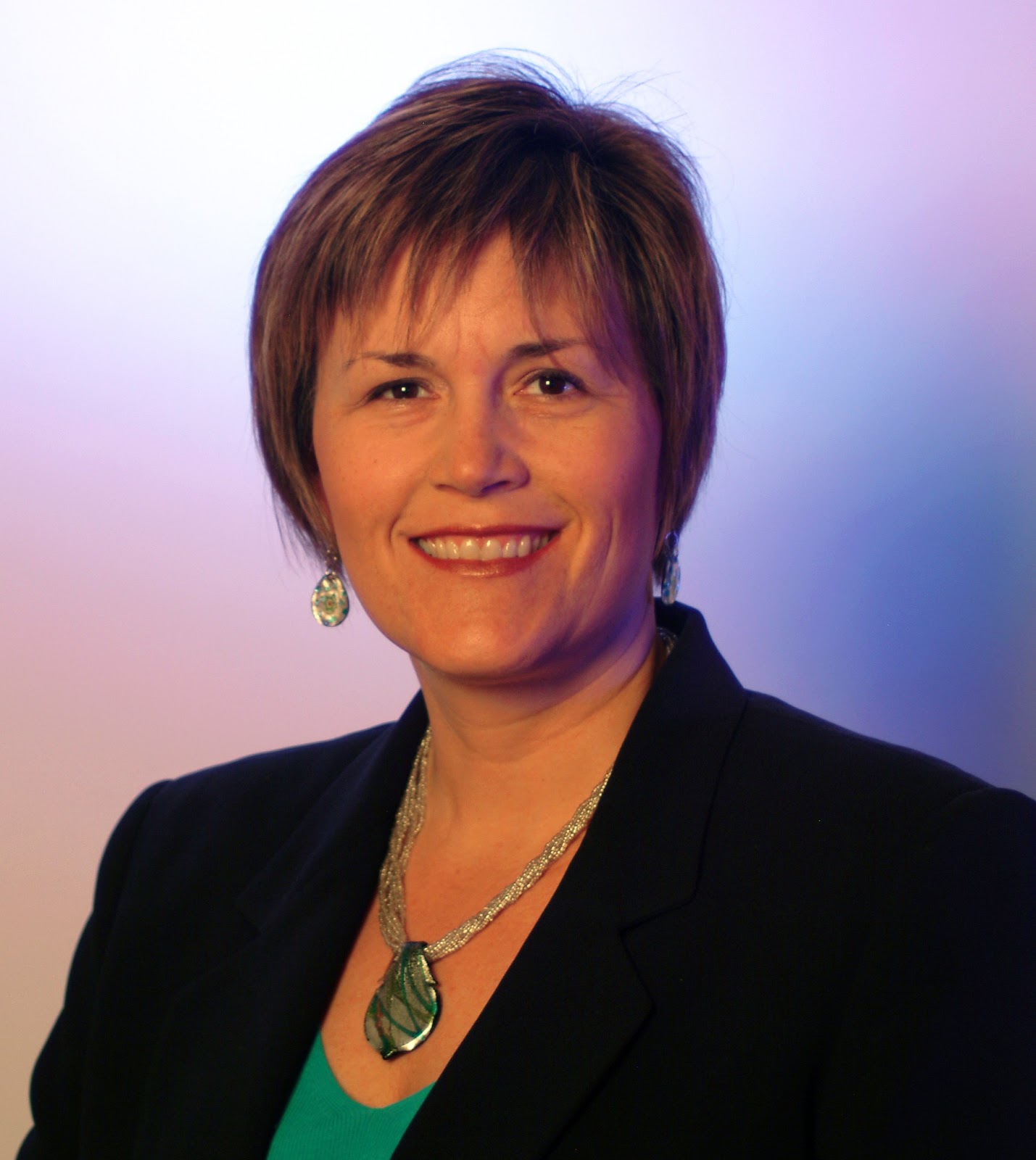
Farm Bureau’s Martha Moore appointed to Rural Jobs Council
· David Brash, Senior Vice President of Business Development and Rural Strategy, Wellmont Health
· Elizabeth Crowther, President, Rappahannock Community College, Saluda
· Katie Frazier, President, Virginia Agribusiness Council, Richmond
· Timothy Heydon, CEO, Shenandoah Growers, Harrisonburg
· Rebecca Hough, Co-Founder and CEO, Evatran, Wytheville
· Thomas Hudson, President, Virginia Coal Association, Richmond
· Delegate Danny Marshall, Danville
· Ned Massee, Chairman, Virginia Chamber of Commerce, Richmond
· Delegate Don Merricks, Martinsville
· Martha Moore, Vice President for Government Affairs, Virginia Farm Bureau Federation, Richmond
· Delegate Israel O’Quinn, Abingdon
· Bill Parr, Parr Properties, Cape Charles
· Senator Phil Puckett, Tazewell
· Delegate Margaret Ransone, Kinsale
· Nicole Riley, State Director, National Federation of Independent Business, Richmond
· Senator Frank Ruff, Clarksville
· Brett Vassey, President and CEO, Virginia Manufacturers Association, Richmond
· William Wampler, Executive Director, New College Institute, Martinsville
· Delegate Onzlee Ware, Roanoke