More Good News: EPA Withdraws Order in the Face of Farmer’s Lawsuit

In a surprise about-face, the Environmental Protection Agency has withdrawn an order demanding that West Virginia poultry grower Lois Alt obtain a Clean Water Act discharge permit for stormwater runoff from her farmyard or face up to $37,500 per day in penalties. While the action is a great victory for Alt, it leaves unresolved a major legal issue with serious implications for other livestock and poultry farmers that must be addressed, according to the American Farm Bureau Federation.

The U.S. District Court for the Northern District of West Virginia ruled in October that AFBF and West Virginia Farm Bureau have the right to join Alt’s lawsuit. EPA had aggressively opposed the Farm Bureaus’ participation. EPA’s withdrawal of the order comes six months after Alt filed her legal action and a mere six weeks before Alt and AFBF are scheduled to file briefs challenging EPA’s interpretation of the law.

In withdrawing its order, EPA cited new management practices identified during a May 2012 re-inspection of the farm. However, EPA’s inspection report also states that dust, feathers and small amounts of manure were still observed on the ground at the farm – which was the very same basis of EPA’s original order, according to AFBF General Counsel Ellen Steen. “EPA still has not backed away from its position that any amount of pollutant on the ground at a livestock or poultry farm requires a Clean Water Act permit,” according to Steen. “The more likely reason for EPA’s withdrawal is that it does not want to defend its position in court.”

“This is a personal victory for Lois Alt, but it should not have taken a federal lawsuit to convince EPA to withdraw an order that was illegal from the start,” said American Farm Bureau Federation President Bob Stallman. “EPA’s withdrawal of the Alt order without correcting its legal position still leaves other farmers and ranchers hanging in uncertainty, vulnerable to the same threats that Ms. Alt faced.”

EPA’s November 2011 order threatened Alt with $37,500 in fines for each time stormwater came into contact with dust, feathers or small amounts of manure on the ground outside of her poultry houses as a result of normal poultry farming operations. EPA also threatened separate fines of $37,500 per day if Alt failed to apply for a National Pollutant Discharge Elimination System permit. Alt responded by filing her own legal challenge to the EPA order in June 2012.

“EPA says its withdrawal is based on a May 2012 re-inspection of the farm, but I can’t help but notice that EPA only withdrew the order after Farm Bureau was granted intervention in October,” Steen explained. “It’s like upsetting the chess board when you know you are in danger of losing. All signs are that EPA does not want to defend its position in court.”

“EPA knows very well that most farmers lack the resources to fight back when they face an EPA order – even if the order has no legal basis,” noted Stallman. “We are happy for Ms. Alt that EPA has flinched, but the principles for which she stood remain in danger.”
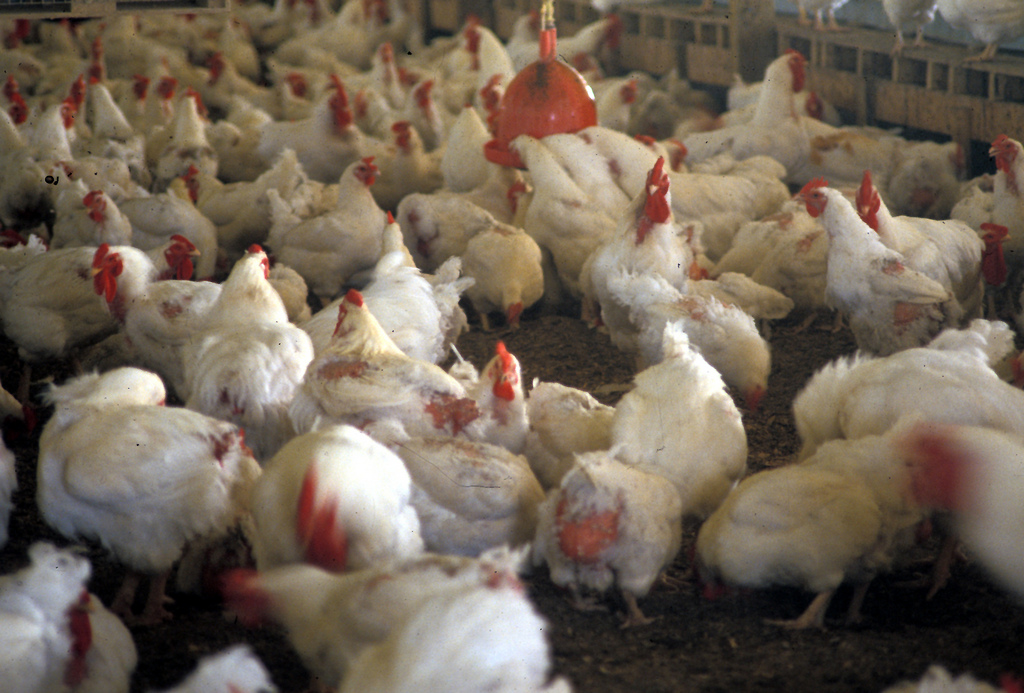
BREAKING NEWS: Maryland Judge Rules Against Environmental Activists in Waterkeeper Trial

The U.S. District Court of Maryland this morning found in favor of Perdue Farms’ grower Hudson Farms in a case filed against them by Waterkeeper Alliance Inc.

The lawsuit, filed in March 2010 by the Waterkeeper’s Alliance, accused in a civil suit that Berlin, Maryland, farmers Alan and Kristin Hudson and Perdue Farms, for whom the Hudsons are contract growers, violated the Clean Water Act. The violation was based on a pile of material on the property that was erroneously assumed to be chicken manure, but was instead municipal sewage sludge from Ocean City, Maryland, that was used to fertilize crops. The Maryland Department of the Environment inspected the farm, confirmed the pile was biosolids, asked the Hudsons to move the pile, and the Hudsons complied.

Lawyers for the Waterkeeper’s Alliance then argued manure leaving the poultry houses from ventilation fans and foot traffic polluted a ditch along the farm which leads to the Pocomoke River – a claim that Judge Nickerson denied today.


Perdue released the following statement after the ruling:

“We are thrilled with today’s ruling, which clearly is a resounding victory for Perdue and farm families everywhere,” said Julie DeYoung, Perdue’s spokesperson. “We congratulate the Hudsons on their long-overdue exoneration. We are also pleased that the judge upheld existing law that safeguards the contractor relationship and confirms the independence of thousands of family farms who choose to raise poultry and livestock. This is a good day for Maryland and for agriculture.”

“As Judge Nickerson pointed out in his Summary Judgment letter, they went looking for someone to sue, and when they found a large pile on the Hudson Farm that they thought was chicken manure, they thought they had their ‘bad apple’,” she said. “The pile turned out to be legal biosolids from nearby Ocean City. But the Waterkeepers persisted with their lawsuit anyway, changing their arguments throughout the case. Perdue and the Hudsons were convenient targets in the Waterkeeper Alliance’s national campaign against modern agriculture. The Assateague Coastal Trust and University of Maryland Environmental Law Clinic were enthusiastic partners in this reckless witch-hunt against Maryland farmers.”

DeYoung added that Perdue has a long history of investing in research, new technologies, equipment upgrades, awareness and training to address environmental issues. “Perdue is the only company that, through Perdue AgriRecycle, offers poultry growers across Delmarva an alternative to land application of chicken litter. We believe it is possible to preserve the family farm and provide a safe, abundant and affordable food supply, while protecting our communities and the environment. We look forward to continuing to work with responsible environmental groups that recognize agriculture’s role in preserving open spaces and protecting the Bay,” she said.

National Chicken Council President Mike Brown released the following statement in response to today’s ruling:

“Governor O’Malley said it best – that this unfair attack on a family farm represented an ‘ongoing injustice.’ The National Chicken Council and many other farm, agriculture, meat and poultry groups both inside and outside of Delmarva have stood solidly together in support of the Hudson’s during this case – a case that was based on frivolous assumptions rather than facts from the beginning.

“We feel like this was a lawsuit against all of us, and we are pleased that Judge Nickerson ruled that the Waterkeeper Alliance had not met the standard of preponderance of evidence in its argument.

“Today’s ruling is a win for Delmarva’s family farmers and against radical environmental activists who disregard the facts, sue first and ask questions later.”

Beehive Grant Fund–Notice to Applicants

The Virginia General Assembly appropriated $125,000 for this program for Fiscal Year 2013 (July 2012 to June 2013) and $125,000 for Fiscal Year 2014 (July 2013 to June 2014).  However, during the upcoming legislative session, the General Assembly will consider proposed amendments to the state budget that include the possible deferral of funding for the beehive grant fund program.  In spite of this funding uncertainty, VDACS will proceed to accept applications in accordance with the guidelines and requirements for qualification under this program but cautions applicants that they may or may not receive payments depending on the outcome of the state budget negotiations.  A final determination on applications cannot be made until the state budget is finalized sometime in April 2013.

Governor McDonnell Announces Homestead Creamery Expansion in Franklin County

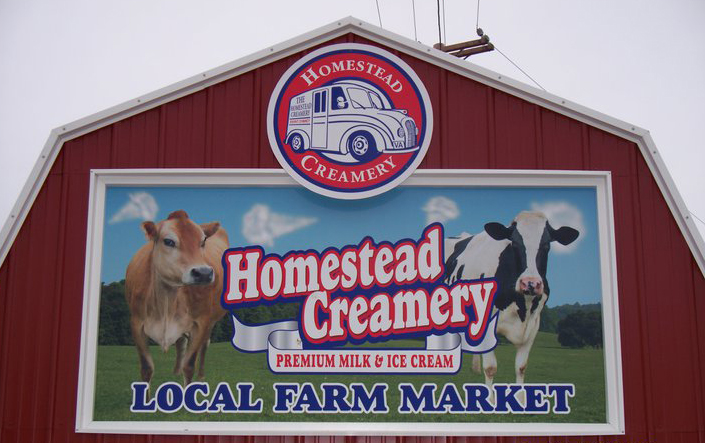
Governor Bob McDonnell has announced the first-ever grant from the Governor’s Agriculture and Forestry Industries Development (AFID) Fund to Homestead Creamery, Inc. during a visit to the Franklin County company’s processing facility and market in Burnt Chimney. Over the next three years, Homestead will invest $1.1 million in a facility expansion and upgrade, almost double the number of full-time employees by hiring an additional 20 full-time positions, and increase its purchases of Virginia grown agriculture products by almost $1.5 million.

“Awarding the first-ever AFID grant to a company like Homestead Creamery, with its full commitment to Virginia farmers and Virginia grown products, is the perfect way to launch this new program from my administration’s economic development and jobs creation agenda,” said Governor McDonnell, who proposed the AFID during the 2012 General Assembly session. “Homestead is just the type of company for which this program was built, one that can take the high quality agricultural products Virginia has to offer and turn them into value-added products consumers are seeking. I’m certain the AFID will provide further growth opportunities for Virginia’s diverse agricultural economy, the Commonwealth’s largest industry.”


“The creation of AFID was about incentivizing new and expanding agricultural processing facilities, but it was also about generating additional revenue and growth opportunities for Virginia farmers,” said Secretary of Agriculture and Forestry, Todd P. Haymore. “The Homestead Creamery project is exciting because with the assistance of AFID, Homestead is going to be able to increase its product offerings and double its employment numbers while also increasing its purchases from area farmers, helping those individual farming operations realize greater revenue in the process as well.”

“Homestead Creamery is best known for delicious ice cream and all natural, fresh milk and dairy products,” said president Donnie Montgomery, a third-generation dairy farmer. “On behalf of our company, I thank the governor, our local elected officials and the tobacco commission for their support and confidence. We look forward to growing Homestead with traditional dairy methods that consumers are embracing as they seek all-natural products for their families.”

“Agriculture is big business in Franklin County, and we’re delighted to be the first locality in the Commonwealth with a business benefiting from a new state incentive program that recognizes the economic benefits and contributions of local farmers and growers,” said David Cundiff, chairman of the Franklin County Board of Supervisors and a commissioner of the Virginia Tobacco Indemnification and Community Revitalization Commission.

The three-year expansion project will add warehousing and cold storage space and production capacity for new dairy products, including cheese, yogurt and sour cream. The new production lines and processing capacity will enable the company to balance its milk supply and increase the volume and variety of products offered through all of its distribution channels. Homestead projects that more than 45 agricultural producers in the Commonwealth will be impacted by the project as a result of increased production at its operations in Franklin County.

The Virginia Department of Agriculture and Consumer Services’ Office of Agriculture and Forestry Development Services (AFDS) worked with Homestead and Franklin County to finalize the grant. The Virginia Economic Development Partnership also provided additional analysis of the grant proposal, as well as assisting AFDS and the Agriculture and Forestry Secretariat with counsel in launching the AFID program. Governor McDonnell approved a $60,000 grant from the AFID to assist Franklin County with the project. Matching funds are being provided through a $45,000 grant from the Tobacco Region Opportunity Fund, administered by the Tobacco Indemnification and Community Revitalization Commission, and a Franklin County grant of $30,000.

About Homestead Creamery, Inc.

Homestead Creamery, Inc. is a producer and distributer of bottled milk, ice cream and other dairy products that also maintains a store featuring Virginia’s Finest and Virginia Grown products at its production facility in Burnt Chimney. The company distributes to a number of grocery and specialty stores, college dining facilities and also maintains home delivery service of their products and local produce. All of the milk, cream, eggs and produce used by Homestead in its products are 100 percent Virginia grown.

About the Agriculture and Forestry Industries Development Fund

The creation of the AFID was part of Governor McDonnell’s jobs-creation and economic development agenda during the 2012 session of the General Assembly. Funded at $1 million in each year of the biennium, the AFID is broken into two categories with $750,000 going to large grants to assist local efforts in expanding current or attracting new agriculture and forestry processing facilities using Virginia-grown products (http://www.vdacs.virginia.gov/agribusiness/afid.shtml) and $250,000 dedicated to small grants to assist localities in improving local economic development efforts relating to agribusiness (http://www.vdacs.virginia.gov/agribusiness/planning.shtml).

Women’s Committees start preparing for General Assembly with Capitol Coffee Hours

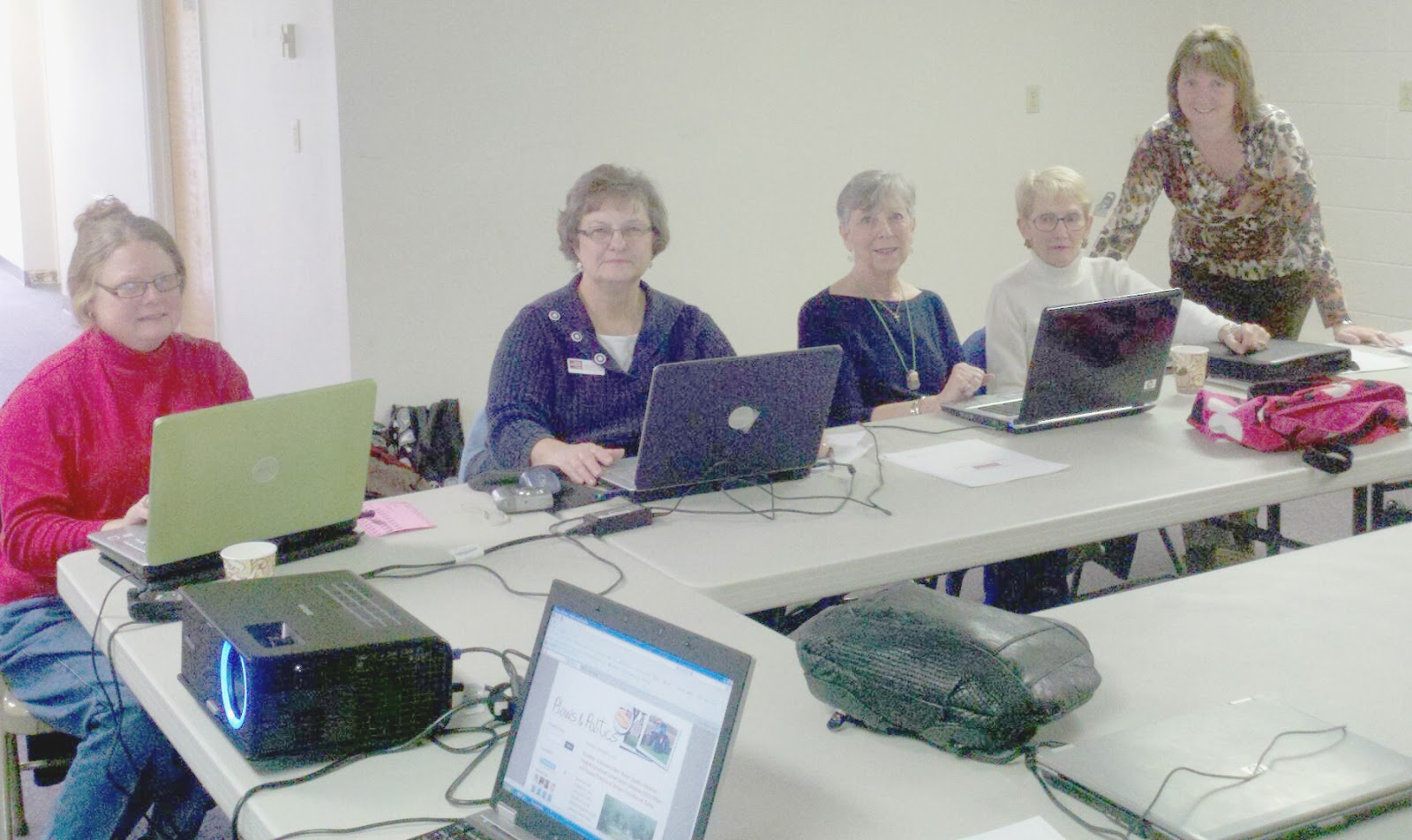
Members of the Women’s Committees in the Midwest District
gather at the Floyd County Farm Bureau office for a
Capitol Coffee Hour

The Virginia Farm Bureau Governmental Relations Department aren’t the only ones getting ready for the upcoming General Assembly session.

Virginia Farm Bureau Women’s Committees across the state have been holding Capitol Coffee Hours to train their members on answering action alerts electronically.

The Capitol Coffee Hours are an excuse for the ladies to get together and socialize, while also learning how to respond to action alerts and more about Farm Bureau’s legislative priority issues.

Trainings are taking place now with more Capitol Coffee Hours to be scheduled during the 2013 General Assembly, which starts on January 9th. If you’re and member of a county Women’s Committee and interested in attending a training or a Capitol Coffee Hour in your district or county, please contact your county chair, district chair or Field Services Director.

Also, to start receiving action alerts, please contact Kelly Pruitt at 804-290-1293 or kprui@vafb.com

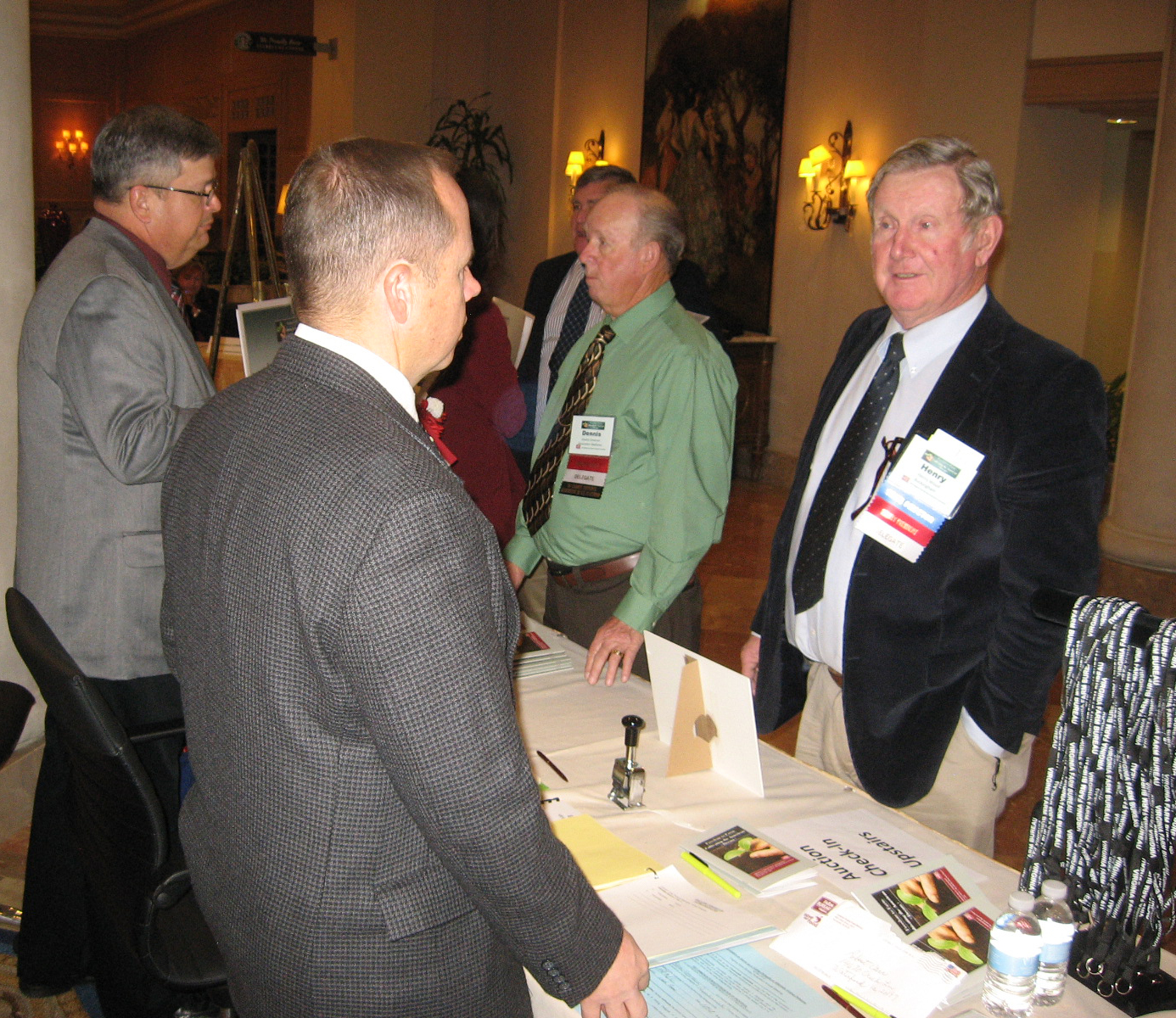
From the Field: Another Virginia Farm Bureau Annual Convention for the books

From the Field is a bi-monthly column written by Mark Campbell, Farm Bureau Field Services Director for the Central District. He writes about Farm Bureau member benefits and County Farm Bureau activities.

We just finished the 87th Convention of Virginia Farm Bureau in Chantilly last week. Approximately 800-900 people attend every year, and this year was no different.

Numerous staff from the home office and field that worked at the convention were as busy as elves the week before Christmas making sure everything ran smoothly. There was a lot to do in three days. There were elections for officers, directors, and voting delegates; polices discussed and voted upon; and contests and workshops that took place. The activity was non stop each day from 7:00am to 10:00pm.

Scott Sink from Franklin County was elected as vice-president. Richard Sutherland from Grayson County was elected as a new director and Nate Aker of Wythe County was elected as Chairman of the VFBF Young Farmer Committee. Janice Burton of Halifax County was re-elected as chairman of the VFBF Women’s Committee, and Wayne Pryor of Goochland County was re-elected as President.

One of the things that I enjoy at convention is talking to people from all areas of the state. In one conversation with a farmer from Southampton County, I was pleased to hear that the Southeastern part of the state had better than expected crop yields. Corn yields were variable depending on rainfall and heat impacts on pollination. Soybean and peanut yields were reported to be better than expected. In other parts of the state, farmers reported an extra supply of hay. The dry fall that we have had will obviously cause livestock farmers to feed hay a little sooner than expected. Even though we had some warm days, the lack of precipitation squandered any opportunities to grow much grass this fall. Overall, I heard good reports from farmers on this year’s production.

One other thing that brings great satisfaction to us as District Field Services Directors, since we do a lot of leadership development, is seeing the glow of excitement from first time convention attendees. These first time attendees gain a unique perspective of the entire Farm Bureau organization and its purpose in action. Those first time attendees return back to their county with a renewed motivation to help their county Farm Bureau be active and successful in their part of the state.

Just to give you an idea of how motivational and inspirational attending the convention can be, I will share a quick story of Orange County from a few years ago. One year when the convention was to be held at The Homestead, Orange County Farm Bureau had a two day-one night stay at the VFB Convention as a prize drawing at their county fair. The winner just so happened to be a producer member. The member was so impressed with what he saw at convention that he became a director the following year on the Orange County Farm Bureau board of directors.

If you have never attended a Farm Bureau convention, I encourage you to work with your county Farm Bureau and volunteer to attend. If you have attended a convention, I encourage you to get other producer members to attend. You just may be grooming your next board member, and I know from first hand experience that they will enjoy it.

Until next time,
Mark

Guidelines for Applying for the Beehive Grant Fund

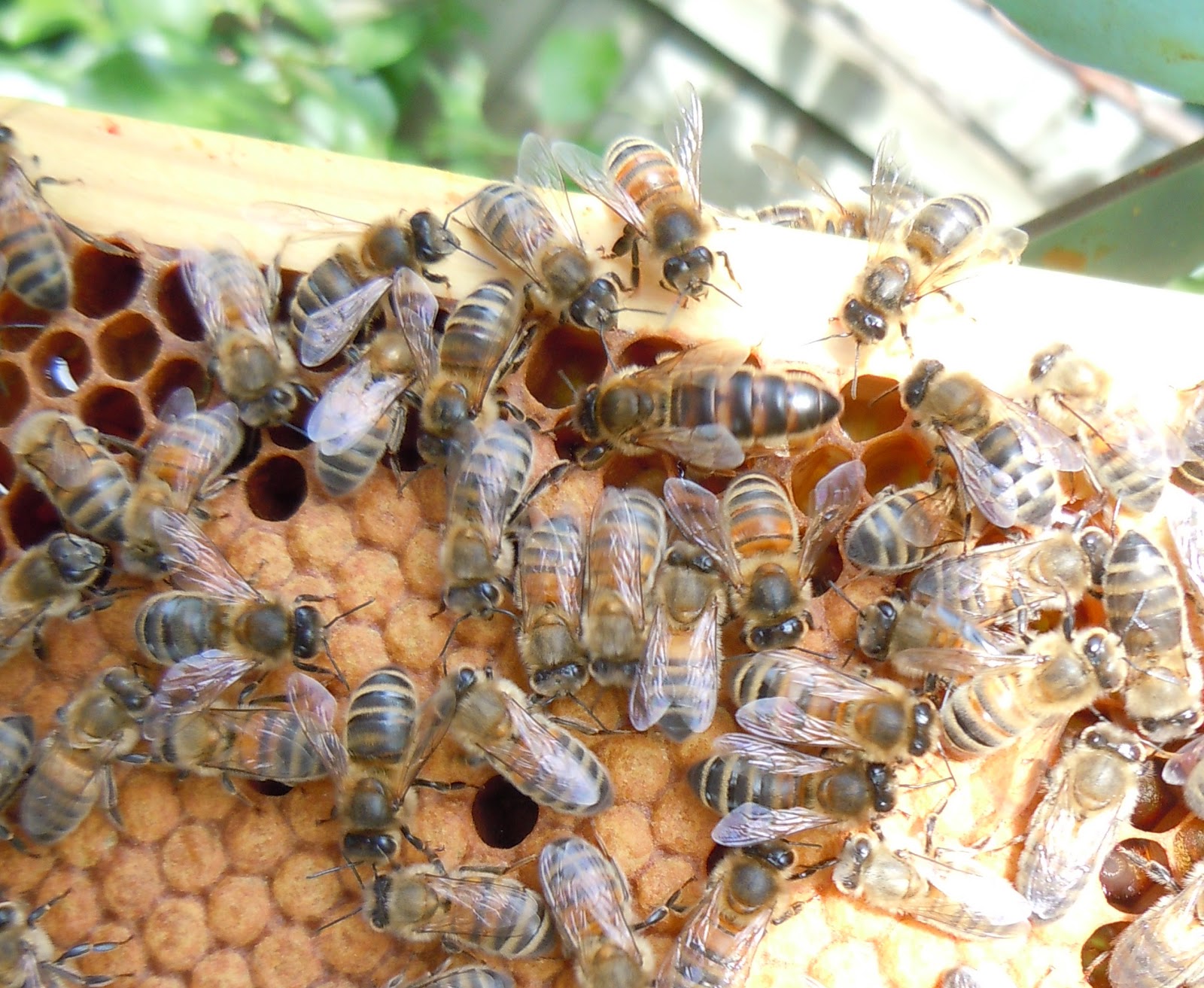
The Virginia Department of Agriculture and Consumer Services (VDACS) released guidelines today for applications for the Beehive Grant Fund created by the 2012 Virginia General Assembly. The General Assembly created the fund to promote the establishment of new beehives in the Commonwealth.

Beginning January 1, 2013, any individual who purchases a new hive or purchases materials or supplies to construct a new hive may apply for a grant from the fund. Each grant will be in the amount of actual expenses incurred for the purchase of items to establish a new hive, up to $200 per hive, not to exceed $2,400 per individual per year.

Appropriations for this program are $125,000 for Fiscal Year 2013 (July 2012 to June 2013) and $125,000 for Fiscal Year 2014 (July 2013 to June 2014). In the event that the amount of funds requested exceeds the amount of funds available that fiscal year, such grants shall be paid in the next fiscal year in which funds are available.

GENERAL REQUIREMENTS

• The grants are available only to residents of the Commonwealth of Virginia.

• Applicants must be 18 years of age at the time the application is submitted.

• Funds received through the Beehive Grant Program are subject to state and federal taxes.

• New hives funded through this program, either fully or in part, shall be installed and remain within the Commonwealth of Virginia.

• A qualifying purchase must include all of the following qualified items, provided the items are used to establish a new hive: hive boxes, frames and foundation.

• The following items also will qualify if purchased in conjunction with the items above: bottom board, inner cover, outer cover, queen excluder and feeder.

• Non-qualified items include hand or electric tools, honey bees or queens, hive stands, raw materials used to fabricate a hive component, used hive components and personal apparel or equipment.

• Qualified items must be used to establish a new hive with a viable colony of honey bees within one year of the date the items were purchased.

APPLICATION PROCESS

Requests for grants from the fund may be submitted electronically to VDACS utilizing the online application that will be accessible at www.vdacs.virginia.gov.

Applicants may also send completed applications or required documentation to:
Virginia Department of Agriculture and Consumer Services
Office of Plant Industry Services
Beehive Grant Program
102 Governor Street, Room LL55
Richmond, VA 23219
FAX: 804.371.7793
Processing may be delayed for those applications that VDACS receives by mail or fax.

Governor Announces New Water Quality Initiative: Virginia Enhanced Conservation Initiative (VECI) Effort will Expand Practice of Stream Exclusion on Farms

Governor Bob McDonnell today announced a new initiative to help farmers implement high-priority conservation practices and improve water quality statewide.

The new Virginia Enhanced Conservation Initiative (VECI), managed by the Department of Conservation and Recreation (DCR), will boost existing state agricultural cost-sharing programs that provide farmers financial and technical assistance to implement stream exclusion and pastureland conservation practices.

“Virginia farmers now have a new avenue to increase profitability and conservation on their lands,” McDonnell said. “By focusing on the practice of streamside livestock exclusion, we are helping producers protect their financial interest and do their part to protect Virginia’s precious waters.”

“Under the initiative, farmers can be reimbursed up to 100 percent of the cost to install systems that manage grazing and keep livestock out of nearby waterways,” said Doug Domenech, Secretary of Natural Resources. Reimbursement for installing identified “stream-exclusion” systems previously has been capped at 75 percent under the state’s cost-share program.


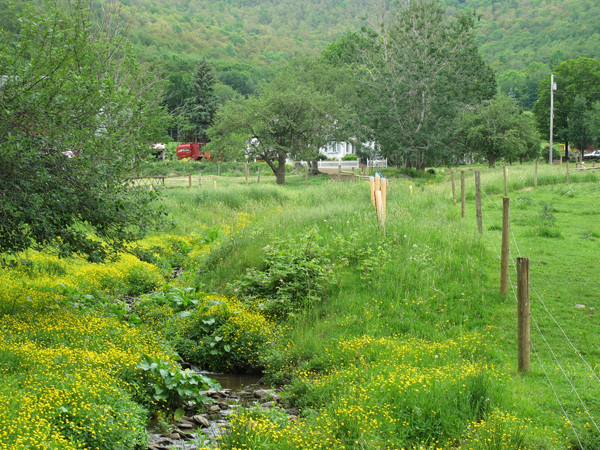
“Keeping livestock out of rivers and streams is critical to reducing water contamination and pollution, and to improving water quality throughout the state,” said McDonnell. “Studies have also shown that keeping livestock out of streams leads to healthier herds and fewer veterinary bills.”

“Farmers are long-standing stewards of their lands and the natural resources of the Commonwealth,” said Todd Haymore, Secretary of Agriculture and Forestry. “Oftentimes, cost is the greatest impediment to farmers adopting additional best management practices. In appreciate the partnership we have with Secretary Domenech and our natural resources agencies and programs such as VECI which are instrumental in providing farmers the resources they need to continue to keep agriculture as Virginia’s largest industry while also responsibly caring for its environment.”

Approximately $3 million will be available for the enhanced reimbursement under VECI. To apply, farmers must first have an approved program year 2013 contract under the DCR Virginia Agricultural Best Management Practices Cost-Share Program (VACS).

“We realize that cost can be a barrier to the implementation of this practice across the state,” said DCR Director David A. Johnson. “The Virginia Enhanced Conservation Initiative will encourage more farmers to install these systems and reap the benefits of healthier herds and better pasture management.”

Stream-exclusion systems include features that prevent livestock from entering nearby waterways. Components include fences, watering troughs, vegetative buffers, wells and pumps.

Since 1984, DCR has partnered with Virginia’s Soil and Water Conservation Districts to run the agricultural cost-share program. Funded by the state and delivered locally by districts, the program helps farmers implement dozens of best practices, such as erosion-control systems, cover crops, animal-waste facilities and more.

“The agriculture community has been a strong partner in improving the health of the Chesapeake Bay and southern rivers,” said Domenech. “We are pleased to work with our agricultural stakeholders in this effort.”

Interested individuals should contact their local district office for more information about VECI, as well as other incentive programs. To locate the nearest district office, visit www.vaswcd.org.

Governor releases final report of Uranium Working Group

The Coal and Energy Commission will be meeting jointly with the Uranium Mining Subcommittee on Tuesday, December 11, 2012 at 5:00 PM at the Olde Dominion Agricultural Complex, 19783 US Highway 29 South, Chatham, VA, 24531 (http://www.theodac.com) for the purpose of receiving the Governor’s Uranium Working Group Report. No action on the report will be taken at the meeting. Written questions will be taken from the audience after the presentation from the Uranium Working Group. Another legislative meeting will be scheduled in Richmond prior to the beginning of the 2013 legislative session. The discussion of any possible action or recommendation related to the Governor’s Working Group Report will take place at this meeting.

Governor Bob McDonnell has received and transmitted to the General Assembly the final report of the Uranium Working Group regarding a conceptual regulatory framework should the General Assembly act to lift the current moratorium on uranium mining in the Commonwealth. The Working Group was not asked to make a recommendation on the overall question of the feasibility of uranium mining in the Commonwealth. The report was requested by the General Assembly a year ago. The Governor will now review the report in the weeks ahead. The report is available HERE. In addition, the Governor has issued the following statement upon receipt of the report.

“Almost a year ago, the National Academy of Sciences issued a long awaited report on uranium mining. While the NAS report provided much useful information, it offered very little specific to the issues in Virginia, and left many questions unanswered. For that reason, members of the General Assembly asked me to task the appropriate Executive Branch agencies with providing substantial, additional information and to determine what a comprehensive regulatory program for safe uranium mining might look like, should the current moratorium be lifted by the General Assembly in the years ahead.

In response, I promptly directed establishment of a Uranium Working Group from the subject matter experts in the departments of Mines Minerals and Energy, Health, and Environmental Quality. This Working Group was tasked with providing a detailed scientific policy analysis that would inform the General Assembly what a regulatory framework for uranium mining might look like if they decide to lift the moratorium. We identified 18 specific questions for the Working Group to address and authorized it to hire appropriate technical experts as needed to assist in their work.

For the past 10 months, the geologists, hydrologists, biologists, health scientists, attorneys, and other regulatory experts at DMME, VDH and DEQ – together with experts from around the country pursuant to two contracts for expert assistance entered into by the Working Group retained after a competitive bidding process – have examined the issues put before them. They have reviewed previous reports and scientific literature, visited the Coles Hill site, met with federal and state regulators and regulators from other states and countries, and met together numerous times to discuss their findings and determine what more they needed to know. In addition, as they completed their review of specific topics, the Working Group held six public meetings, in different parts of the Commonwealth, to share the information they had, respond to public questions, and hear public comment. Significant input was also received and reviewed through the Working Group’s web site (http://www.uwg.vi.virginia.gov), which now offers a tremendous volume of related materials, including reports from the experts hired to assist in their analysis, a bibliography of other materials reviewed, and the comments, questions and responses received from the public during their work.

As requested by the General Assembly and our office, the Working Group developed a conceptual regulatory framework that identifies the statutory and regulatory measures that would be necessary if a legislative decision is made to lift the moratorium. One element of their work – the examination of potential socioeconomic impacts – has been delayed by the difficulty in finding a suitable, objective expert to undertake the necessary survey work that has not already been employed to do work by stakeholders on one side of the issue or the other. As a consequence, and because the Group was unwilling to limit the original scope of this portion of their work, an addendum to the Group’s final report will be provided when the contractor’s work is complete, hopefully in mid-January.

The Working Group was not asked for, and has not provided, an ultimate policy recommendation on whether or not the moratorium on uranium mining in the Commonwealth should be lifted. If the General Assembly decides to lift the moratorium, it will be necessary to amend and adopt statutes and authorize the subsequent development of actual regulations pursuant to the Virginia Administrative Process Act. Only after regulations are developed, proposed, adopted and approved after a lengthy public process could an application for a permit to mine uranium in Virginia be developed and submitted for consideration.

Today the Working Group has delivered its final report to our office pursuant to its deadline of December 1, 2012. At the same time, we are delivering the report to the members of the General Assembly and made available to the public. It will also be posted to the Working Group’s web site. I look forward to reviewing the full report, meeting with our agency experts to discuss their work, and hearing the views of the experts on the Coal and Energy Commission’s Uranium Subcommittee in the coming weeks. I understand that this issue is critically important to many Virginians, and that it raises appropriate concern among many in the vicinity of Coles Hill and beyond. I believe it is crucially important that all voices be heard in the decision-making process ahead. For that reason, in addition to meeting with my staff in the coming weeks, I will meet with stakeholders on both sides of the issue, and will review the public input received to date, before deciding whether or not I will make any recommendation on uranium mining in the Commonwealth. I have formed no prior opinion on whether mining should be permitted, as I have awaited, like most should, the publication of this report. As I have previously noted, the overriding consideration is whether uranium mining and milling can be conducted with a high degree of public safety, and whether suitable assurances can be given that the air, water, health, and well-being of the citizens will be protected.

Finally, I want to commend the great efforts of the Working Group. The agency staff who participated in this important work did so with a high level of professionalism, openness and evenhandedness. They have completed their task with great diligence and thoroughness and met their deadline. As I begin to evaluate the report, I thank them for their tremendous work and I am confident it will help me, the General Assembly, and the public reach an appropriate decision on this matter.”